The U.S. Securities and Exchange Commission has charged a Texas man with diverting approximately $6.2 million in investor funds to personal expenses while marketing what the regulator describ
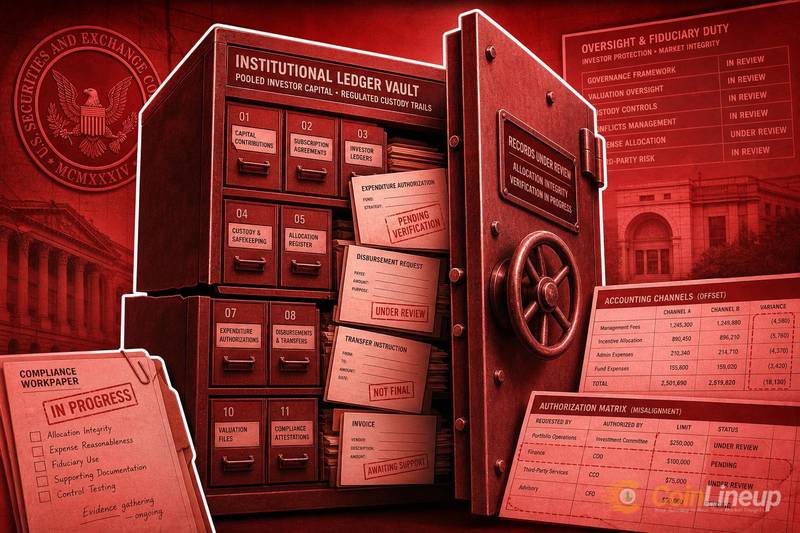
The U.S. Securities and Exchange Commission has charged a Texas man with diverting approximately $6.2 million in investor funds to personal expenses while marketing what the regulator describes as a fraudulent AI-powered cryptocurrency trading operation.
Key Takeaways
- The SEC alleges a Texas man spent $6.2 million of investor funds on personal expenses.
- The defendant allegedly marketed a fake AI-powered crypto trading platform to attract capital.
- The case remains at the allegation stage and has not resulted in a final court judgment.
What the SEC Alleged in the Texas Fake AI Crypto Case
According to the SEC's enforcement action, the defendant raised money from investors by promoting an AI-driven crypto investment opportunity that did not operate as advertised. The regulator alleges the marketing materials contained misleading claims about the platform's capabilities and expected returns.
The complaint centers on the alleged misappropriation of approximately $6.2 million in investor capital, which the SEC says was spent on the defendant's personal expenses rather than deployed into any legitimate trading strategy.
Investor Funds Allegedly Misappropriated
$6.2M
The SEC alleges the Texas man spent $6.2 million of investor funds on personal expenses while marketing a fraudulent AI-powered crypto trading platform.
Source: U.S. Securities and Exchange Commission
These are allegations brought by the SEC. The case has not resulted in a final court judgment.
How Investor Funds Were Allegedly Diverted
The SEC's complaint describes a stark gap between what investors were told and how their money was allegedly used. Investors believed their capital would fund an AI-driven cryptocurrency trading strategy designed to generate returns.
Instead, the regulator says the defendant funneled the funds toward personal spending. The alleged diversion represents the core of the enforcement action, framing the scheme as straightforward misappropriation dressed in AI and crypto branding.
This pattern mirrors other recent incidents in which bad actors exploited investor enthusiasm around emerging technology. A separate case saw Gravity Bridge drained of $5.4 million by a hacker who laundered the proceeds, highlighting how crypto-related fraud and theft remain persistent risks across the industry.
Why This SEC Action Matters for Crypto Investors
AI-branded crypto pitches have proliferated as both artificial intelligence and digital assets attract mainstream attention. The SEC's action serves as a reminder that marketing language around AI capabilities does not guarantee a legitimate operation.
This case is specific to one defendant and one alleged scheme. It does not imply that all AI-focused crypto projects are fraudulent. However, it underscores the due-diligence burden on retail investors evaluating unfamiliar platforms.
Regulators across multiple jurisdictions have stepped up enforcement around crypto fundraising. In the European Union, lawmakers have pursued a unified crypto and gambling tax framework targeting 20 billion euros by 2034 as part of broader digital asset oversight. Industry events like the Cyber Revolution Summit in the Philippines have also focused on investor protection and compliance education.
Before investing in any AI-crypto project, verify these basics:
- Check whether the entity or offering is registered with the SEC or an equivalent regulator.
- Confirm that investor funds are held in audited, segregated accounts.
- Request independently audited financial disclosures before committing capital.
This article is for informational purposes only and does not constitute financial or investment advice.
Disclaimer: This article is for informational purposes only and does not constitute financial or investment advice. Cryptocurrency and digital asset markets carry significant risk. Always do your own research before making decisions.
Read original article on coinlineup.com