The Trump administration has no interest in a digital dollar, and Treasury Secretary Scott Bessent made that clear on Thursday. Speaking at a White House press briefing on May 28, Bessent rul
The Trump administration has no interest in a digital dollar, and Treasury Secretary Scott Bessent made that clear on Thursday.
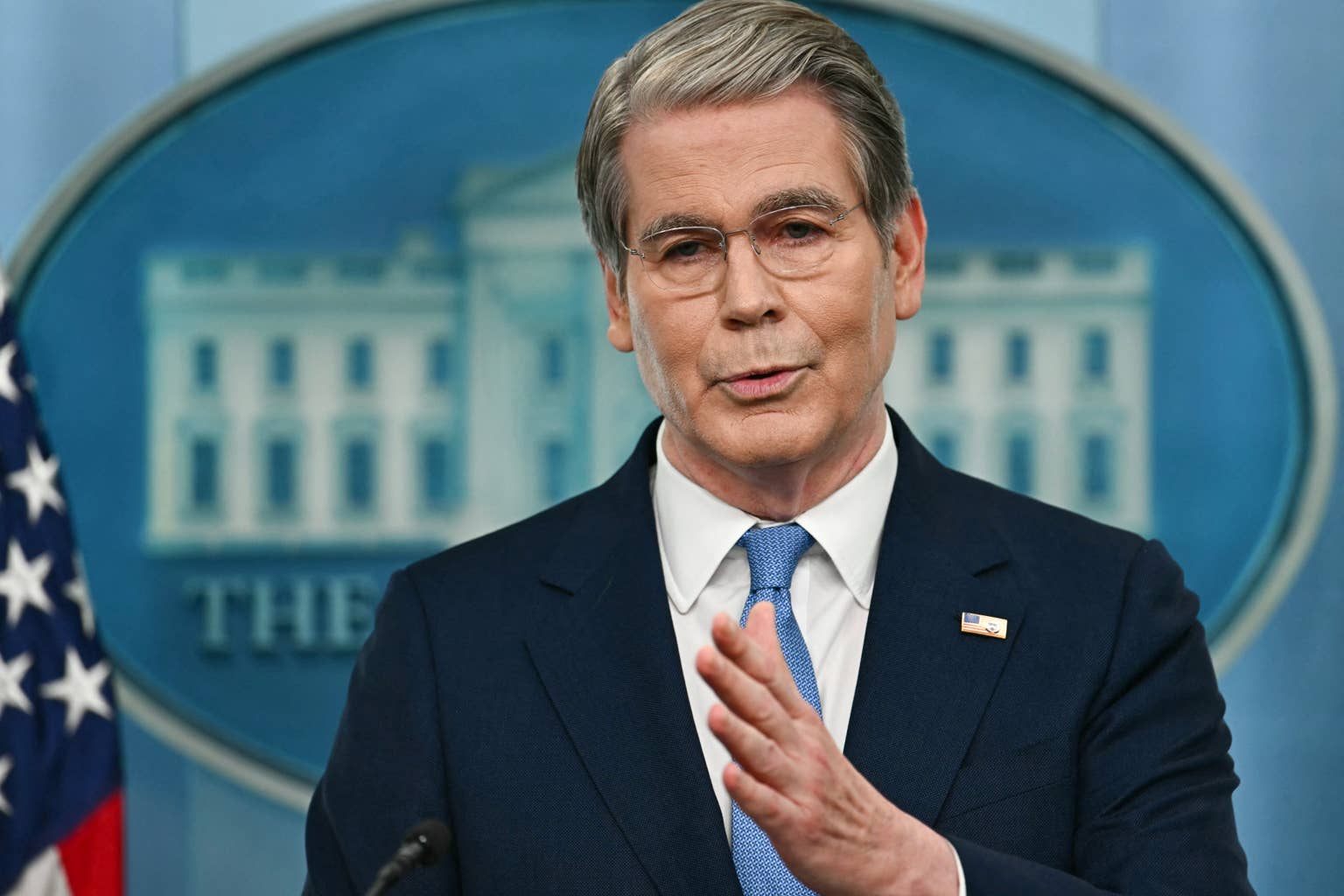
Speaking at a White House press briefing on May 28, Bessent ruled out a central bank digital currency, or CBDC, framing it not just as a policy decision but as a privacy one.
A government-issued digital currency, he argued, would give Washington a direct window into how Americans spend their money.
"This administration has been very clear, there will be no central bank digital currency, which I think would be the first step toward tracking, so we have taken that off the table,"Bessent said.
"The most important thing we can do is to make digital assets come into the United States, make the US the home... our regulation, our best practices are what will ensure good standards for these."
This is not a new position.
Related: Treasury officials push for a $250 bill featuring Trump's face
At his Senate nomination hearing in January 2025, Bessent said he saw "no reason" for a U.S. CBDC, dismissing it as an option suited only to countries with no other investment alternatives.
Republican lawmakers have consistently echoed that view, arguing a digital dollar could become a surveillance tool for government oversight of private transactions.
What the administration does want is a regulated private digital asset market, and Bessent used Thursday's briefing to push Congress toward finishing that job.
"When you look at digital assets, all the nonsense that happens, all the things you read about, that's because it's the wild, wild west offshore, so we got to bring it onshore. I would encourage the House and the Senate to get Clarity done." said Secretary Bessent.
The GENIUS Act, a stablecoin bill that passed with bipartisan support, cleared Congress earlier this year.
The CLARITY Act, which aims to build a broader regulatory framework for digital assets and define oversight responsibilities between the SEC, CFTC, and Treasury, passed the Senate Banking Committee on May 14 in a 15-9 vote. It now heads to the full Senate floor, where it needs 60 votes to overcome a filibuster.
President Trump echoed that direction on Wednesday, writing on Truth Social that his administration would codify a "future-proof" digital asset market structure that could not be undone by "crypto haters."
Related: Major U.S. banks push back on new CLARITY Act proposal