Anthropic confidentially submitted a draft S-1 in June and could make it public within days, with reports pointing to a roadshow the week of Nov. 9 and a trading debut before Thanksgiving. Tr
Anthropic confidentially submitted a draft S-1 in June and could make it public within days, with reports pointing to a roadshow the week of Nov. 9 and a trading debut before Thanksgiving.
Traders have not waited. Perpetual futures (perps) contracts referencing Anthropic have run above a $2 trillion implied valuation, roughly double the $965 billion the company negotiated in its Series H.
The market is real, if still small. On Oct. 16, CNBC reported that Anthropic perps on the Hyperliquid exchange implied a valuation of just over $2 trillion.
Open interest, the total of contracts still open, topped $41 million. That is more than five times the open interest in OpenAI contracts.
In early September, CoinGecko found Anthropic perps trading at an average premium of 100.5% to the company's last priced funding round.
None of those buyers hold a share. They hold a cash-settled derivative referencing a number, and if reported timelines hold, an actual share price is weeks away.
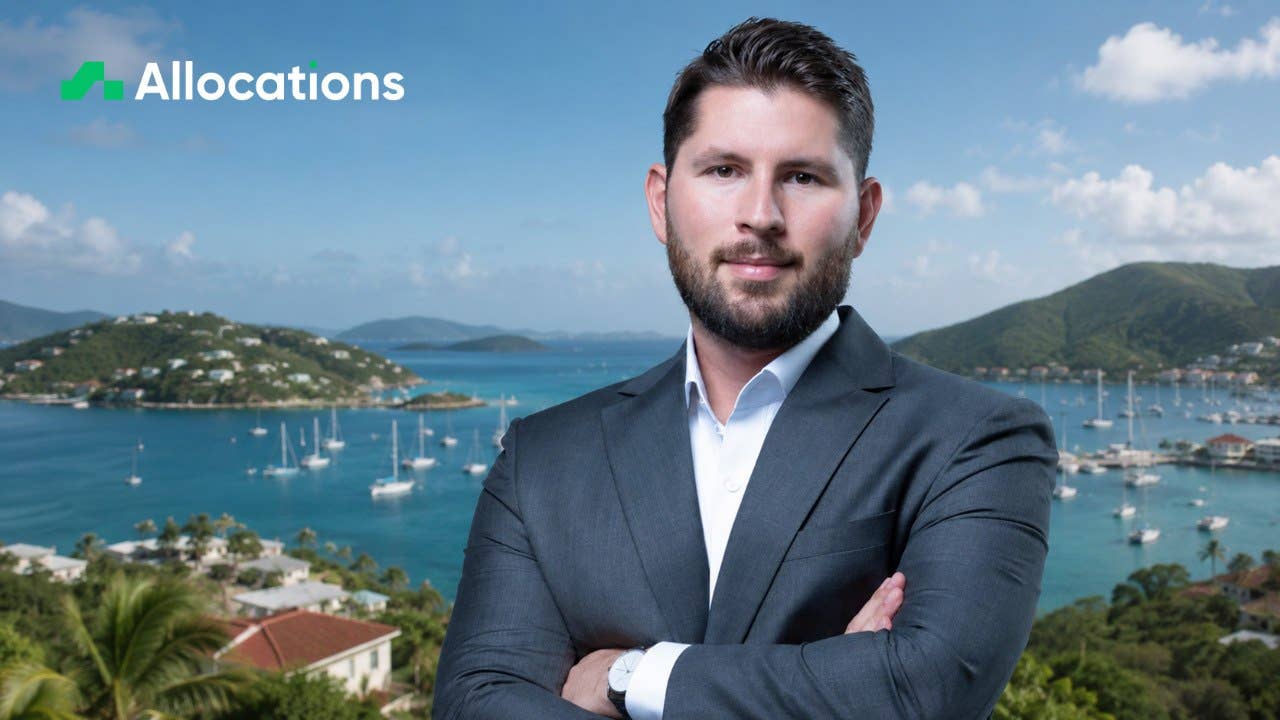
Kingsley Advani took early positions in SpaceX, Anthropic, Coinbase and more and is the CEO of Allocations, which builds the special purpose vehicles (SPVs) and funds accredited investors use to take real title to private companies. He previously told TheStreet that AI will let people spin up a BVI fund from a phone.
He sat down with TheStreet Roundtable at BVI Finance'sFintech on the Seas on Necker Island.
Supply, not demand
Advani says several tokenized pre-IPO SpaceX products never launched because providers could not get the shares. The shortage, he says, was on the supply side.
“A few of the providers for that, they were unable to secure the supply,” Advani said. “It’s difficult to get these allocations.”
SpaceX's June IPO drew more than $70 billion in retail orders, even as the retail tranche was cut from roughly 30% to the low 20s.
Lockups were another hurdle.
“Retail investors typically want liquidity quite quickly. So they don’t want lockups,” he said.
Exposure is not ownership
Advani says many of the products on offer give buyers price exposure, not ownership. Contracts for difference (CFDs) are one example. A CFD pays or charges the change in an asset's price without the buyer ever owning the asset.
“If you look at prediction markets, and if you look at other types of assets, CFDs — you’re not actually buying the asset,” Advani said. “Platforms should probably disclose, I’m sure many of them do, that they’re buying economic exposure. So there’s a difference between title and economic exposure.”
The difference matters. Title is a claim on a company. Exposure is a contract tied to its price, paid out in cash by whoever wrote it.
“Many of these platforms are selling economic exposure, but they’re not selling title to these shares,” Advani said. “You’re not buying the underlying collateral in your name.”
Robinhood has been here before
The gap between a token and a share has already caused fights.
In 2025, Robinhood offered European users tokens tied to OpenAI and SpaceX. OpenAI said it had not partnered with Robinhood and that no equity transfer was approved. TheStreet covered the EU review that followed.
This fall, AMC Entertainment CEO Adam Aron took on Robinhood over tokens tied to AMC stock. TheStreet reported that Aron said AMC “does not consent” and called the products “fake, synthetic shares.”
Robinhood's tokens are debt securities issued by a Jersey subsidiary. They track a stock's price but carry no ownership or voting rights in the company, and they are not available to U.S. investors. Robinhood legal chief Dan Gallagher answered: “Send your lawyers and we'll educate them.”
Under a temporary SEC exemption issued Sept. 17, trading venues must give a company written notice and a chance to object before offering a third party's tokenized version of its stock.
Volume is growing anyway. CNBC reported that tokenized stock volume on Robinhood Chain rose from $526 million in July to $11.31 billion in September, while companies including Goldman Sachs, Microsoft and McDonald's objected to tokenized versions of their shares on the OKX and ICE venue.