BitcoinWorld Bessent Holds Off on Secondary Sanctions on Iran’s Trading Partners and Financial Institutions U.S. Treasury Secretary Scott Bessent stopped short of announcing secondary sanctio
BitcoinWorld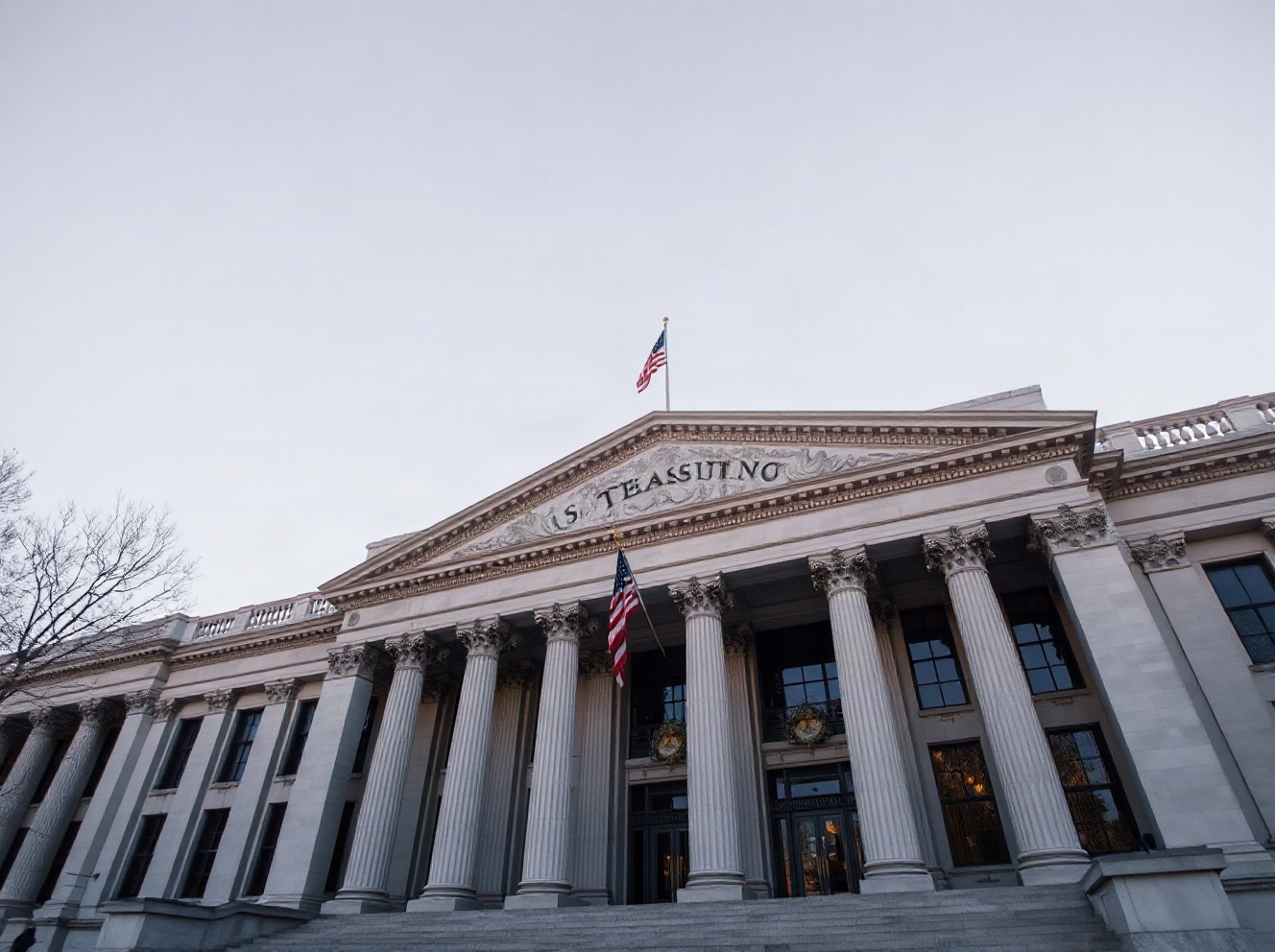 Bessent Holds Off on Secondary Sanctions on Iran’s Trading Partners and Financial Institutions
U.S. Treasury Secretary Scott Bessent stopped short of announcing secondary sanctions on Iran’s trading partners and financial institutions, according to a statement released on [date]. The decision, which had been anticipated by market observers and foreign policy analysts, signals a cautious approach to tightening economic pressure on Tehran without immediately escalating tensions with key trading allies.
What Led to the Decision
The announcement follows weeks of speculation that the Treasury would expand sanctions targeting entities that facilitate Iran’s oil exports and access to international banking systems. However, Bessent’s remarks indicated that while the administration remains committed to enforcing existing sanctions, it is not yet ready to impose secondary penalties that could affect third-country companies and financial institutions.
Secondary sanctions, unlike primary sanctions, penalize non-U.S. entities for doing business with sanctioned nations like Iran. Such measures can have far-reaching consequences for global trade, particularly for countries like China, India, and Turkey, which are major buyers of Iranian oil. By holding off, Bessent may be seeking to avoid straining diplomatic relations with these partners while still maintaining pressure on Iran’s economy.
Implications for Iran’s Economy and Global Markets
The decision provides some short-term relief to Iran’s trading partners, who had feared being cut off from the U.S. financial system. However, it does not signal a softening of U.S. policy toward Iran. Existing sanctions remain in place, and the Treasury continues to enforce them through designations and enforcement actions.
For global oil markets, the lack of secondary sanctions means Iranian crude exports may continue at current levels, which could help stabilize prices. Analysts note that any future escalation could disrupt supply chains and increase volatility. The decision also offers a degree of predictability for financial institutions that had been bracing for new compliance burdens.
Why This Matters to Readers
For businesses and investors, the absence of secondary sanctions reduces the immediate risk of inadvertently violating U.S. sanctions when engaging with Iranian-linked entities. However, the situation remains fluid, and companies should continue to monitor Treasury guidance closely. The decision also reflects the broader geopolitical balancing act the administration faces in addressing Iran’s nuclear program and regional activities without alienating allies.
Conclusion
Secretary Bessent’s decision to refrain from imposing secondary sanctions on Iran’s trading partners and financial institutions marks a measured step in U.S. economic statecraft. While it preserves existing pressure, it leaves room for future action. Observers will watch for further signals from the Treasury, especially in light of ongoing diplomatic efforts and Iran’s compliance with international obligations.
FAQs
Q1: What are secondary sanctions?Secondary sanctions are penalties imposed on non-U.S. entities that engage in certain transactions with sanctioned countries, such as Iran. They extend the reach of U.S. sanctions beyond American jurisdiction.
Q2: Why did Bessent hold off on imposing them?The decision likely reflects concerns about straining relations with key trading partners like China and India, and the potential for market disruption. It may also be a strategic pause to assess diplomatic options.
Q3: What does this mean for businesses dealing with Iran?Businesses should continue to exercise caution and conduct thorough due diligence. The lack of secondary sanctions reduces immediate risk, but existing primary sanctions remain in effect, and the situation can change quickly.
This post Bessent Holds Off on Secondary Sanctions on Iran’s Trading Partners and Financial Institutions first appeared on BitcoinWorld.