The Central Bank of Kenya (CBK) has approved the transfer of all assets and liabilities of Access Bank (Kenya) Plc to National Bank of Kenya Limited (NBK), consolidating two Kenyan banks owne
The Central Bank of Kenya (CBK) has approved the transfer of all assets and liabilities of Access Bank (Kenya) Plc to National Bank of Kenya Limited (NBK), consolidating two Kenyan banks owned by the same Nigerian group into a single banking business. CBK confirmed the approval in a statement issued on 23 September 2026.
The transfer required sign-off at two separate levels of Kenyan banking law. CBK approved the transaction in August 2026, acting under Section 13(4) of the Banking Act, which governs the transfer of a bank’s business to another institution.
A second, independent approval followed from Treasury Cabinet Secretary John Mbadi in September 2026, this time under Section 9(1) of the same Act, which covers changes affecting a bank’s ownership or control.
“The transfer shall take effect upon completion of the transaction in accordance with the terms of the Business and Assets Transfer Agreement between the parties,” CBK said in its statement.

Central Bank of Kenya. Image source: Business Daily
Neither the regulator nor the bank has given a timeline for when that completion will happen, and CBK’s statement did not disclose the financial value of the deal or detail what it means for existing branches, staff or customers of either lender.
How Access Bank ended up owning both banks
The path that brought both lenders under Access Bank’s ownership stretches back six years and runs through two separate acquisitions. Access Bank first entered Kenya in February 2020 by buying Transnational Bank Plc outright, a lender that began as a finance company in 1984 before securing a full banking licence and commencing operations in December 1985.
That deal gave the Nigerian group 28 branches and a foothold in the wider East African market. Transnational was renamed Access Bank (Kenya) Plc shortly after. It made Access Bank the third Nigerian lender to operate in Kenya, joining United Bank for Africa and Guaranty Trust Bank, both of which had entered the market earlier.
NBK’s route to Access Bank ownership was longer and started from a different place entirely. The Kenyan government incorporated NBK in 1968 to widen access to credit and support state control of the economy following independence.
KCB Group bought full ownership of NBK in September 2019, before Access Bank agreed to acquire the bank from KCB in March 2024. That deal closed in May 2025, leaving the Nigerian group owning two separately licensed banks in the same market. Running parallel banking licences under one shareholder is unusual, and this latest transfer resolves it by folding NBK’s business into Access Bank Kenya rather than leaving both entities standing side by side.
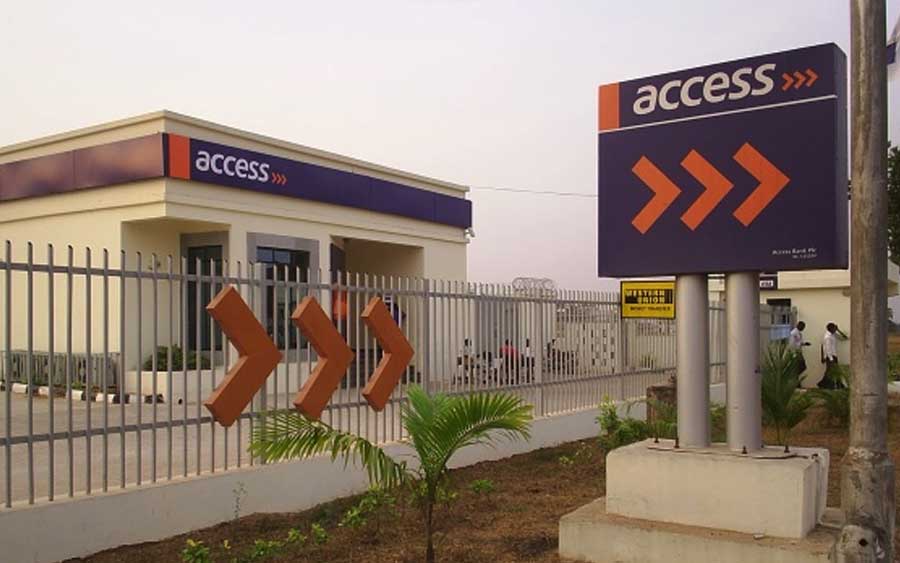
Access Bank
Access Bank Plc, incorporated in Nigeria in 1989 and now one of the country’s largest lenders, is a wholly owned subsidiary of Access Holdings Plc, which holds banking subsidiaries across more than a dozen African markets, including Botswana, Cameroon, the Democratic Republic of Congo, the Gambia, Ghana, Guinea, Mozambique, Rwanda, Sierra Leone, South Africa and Zambia, alongside a UK subsidiary, a UAE branch, and representative offices in China, India and Lebanon.
CBK framed the Kenyan transfer as beneficial to the sector rather than a routine formality, saying the move would support the stability and resilience of the country’s banking industry while promoting competition.
Read also: Vodacom to challenge Kenyan High Court’s decision nullifying 15% Safaricom stake purchase