Custodia Bank and Vantage Bank have proposed a token designed to switch between two distinct modes, functioning either as a traditional bank deposit or as a stablecoin depending on the transa
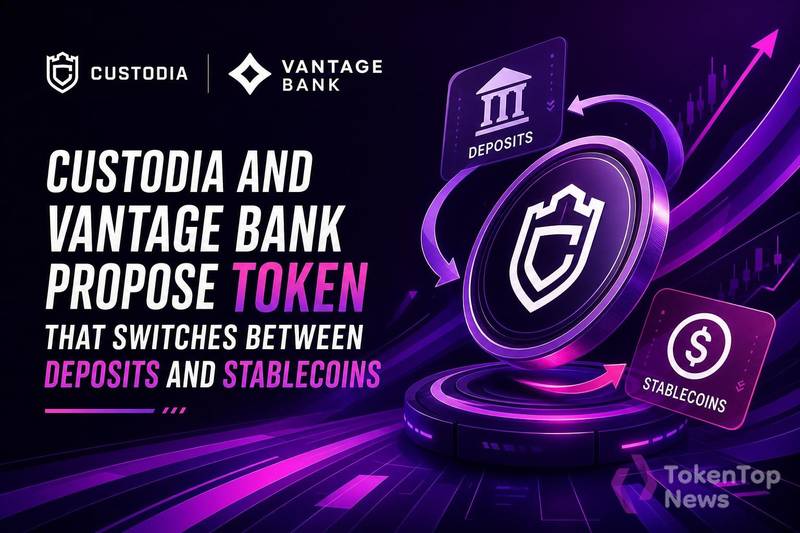
Custodia Bank and Vantage Bank have proposed a token designed to switch between two distinct modes, functioning either as a traditional bank deposit or as a stablecoin depending on the transaction context. The concept, which remains a proposal rather than a fully deployed product, represents an unusual approach to bridging regulated banking infrastructure with blockchain-native digital dollars.
What Custodia and Vantage Bank Are Proposing
The proposal centers on a single token that can operate in two regulatory and functional states. In bank deposit mode, the token would behave like a conventional deposit held at a chartered bank, subject to banking regulations and potentially eligible for deposit insurance. In stablecoin mode, the same token would function as a transferable digital dollar on a blockchain network.
Custodia Bank, a Wyoming-chartered special purpose depository institution, has been pursuing blockchain-based banking products as part of its broader strategy to operate at the intersection of traditional finance and digital assets. Vantage Bank has separately outlined how tokenized deposits could reshape banking, framing the technology as a natural evolution of how banks manage and transfer value.
The token is not yet live. Both institutions have described the concept in public communications, but the structure remains in a proposal stage rather than an active financial product available to customers.
Why the Deposit-versus-Stablecoin Design Matters
Bank deposits and stablecoins occupy different legal categories. Deposits are liabilities of a bank, governed by banking law, and typically carry protections such as FDIC insurance. Stablecoins are generally treated as payment instruments or money transmission products, with different reserve and disclosure requirements.
A token that transitions between these two states would need to satisfy the compliance expectations of both frameworks. When held as a deposit, the issuing bank would bear custodial and capital adequacy obligations. When circulating as a stablecoin, the token would need to meet whatever stablecoin-specific rules apply in the relevant jurisdiction.
This dual structure could appeal to institutions that want the programmability and settlement speed of stablecoins without fully exiting the regulated banking perimeter. The concept arrives as traditional financial institutions continue deepening their engagement with digital assets, raising new questions about how existing regulatory categories apply to hybrid products.
Potential Implications for Crypto Banking and Regulation
The involvement of chartered banks distinguishes this proposal from crypto-native stablecoin issuance models, where tokens are typically issued by non-bank entities. A bank-issued token that can toggle into deposit mode would represent a different product category, one that sits closer to the existing financial system than most stablecoins on the market today.
The proposal arrives as multiple jurisdictions consider legislation defining stablecoin reserve requirements and issuer eligibility. A token that can claim deposit status in certain contexts could complicate those regulatory conversations depending on how supervisors choose to treat it. Countries that have already begun building strategic digital asset reserves may watch these hybrid models closely as they shape policy frameworks.
For the broader digital asset market, the concept adds to a growing wave of tokenized financial products blurring the line between traditional banking and blockchain infrastructure. Whether the Custodia-Vantage proposal advances beyond its current conceptual stage will depend on regulatory feedback and market demand for a product designed to live in both worlds.
Disclaimer: This article is for informational purposes only and does not constitute financial or investment advice. Cryptocurrency and digital asset markets carry significant risk. Always do your own research before making decisions.
Read original article on tokentopnews.com