The European Banking Authority has designated Circle’s USDC as the EU’s first significant e-money token, a landmark classification under the bloc’s Markets in Crypto-Assets regulation that pl
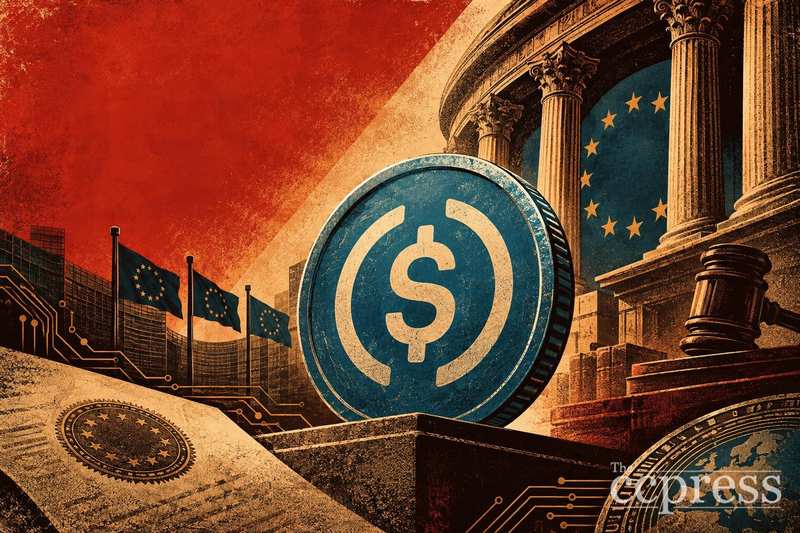
The European Banking Authority has designated Circle’s USDC as the EU’s first significant e-money token, a landmark classification under the bloc’s Markets in Crypto-Assets regulation that places the world’s second-largest stablecoin under Europe’s toughest issuer oversight rules.
The EBA’s decision marks a first for MiCA, the EU’s sweeping crypto regulatory framework. No other stablecoin had previously earned the “significant” designation, making USDC the benchmark against which future e-money token classifications will be measured. For related coverage, see Optimism Approves 546.9M OP Token Redirect From Airdrops.
What Significant E-Money Token Status Actually Means
Under MiCA, a “significant” e-money token classification triggers enhanced supervisory requirements beyond what standard e-money token issuers face. Circle must now meet stricter obligations around reserve management, governance structures, and user protection, with the EBA taking a direct supervisory role rather than delegating oversight solely to national regulators. For related coverage, see US House Designates July Dates as Crypto Week.
The designation is not an endorsement of USDC as an investment, nor a guarantee of token safety. It is a regulatory threshold, one that acknowledges USDC has crossed the scale at which European authorities believe heightened scrutiny is warranted.
Circle has been heavily dependent on reserve income, which made up 95.2% of its Q2 revenue, a structure that MiCA’s reserve requirements will directly govern going forward.
What This Means for Circle, Exchanges, and European Users
For Circle, the designation carries both prestige and burden. Operating as a significant e-money token issuer means more frequent regulatory reporting, higher capital buffers, and closer EBA scrutiny of its reserve assets. Circle had already pursued MiCA compliance ahead of many peers, and this classification validates that positioning while raising the operational bar further.
Exchanges, payment providers, and EU-based businesses that integrate USDC will be watching closely. The designation creates a clearer legal framework for using USDC within EU payment infrastructure, potentially making it easier for regulated financial institutions to onboard the token. Investors who backed Circle’s recent fundraising round alongside OKX’s $25 billion valuation raise, which included Circle and Ripple as participants, now have a firmer regulatory foundation to point to.
Rival stablecoin issuers will also feel the pressure. The EBA’s first significant designation sets a visible compliance template. Any issuer seeking to compete for USDC’s European market share will need to clear the same bar, or explain to regulators why they have not.
The decision arrives as US policymakers are also accelerating stablecoin legislation, with the US House designating a dedicated crypto week earlier this year to push stablecoin and market structure bills through committee. Europe moved first with MiCA, and now it has its first significant e-money token to show for it.
Circle has not been without controversy in its recent history, having faced public criticism over a hiring decision linked to ICO scam promotion charges. Whether the EBA’s designation further insulates Circle’s European business from reputational risk, or simply raises the stakes when the next controversy arrives, is the question the market will be asking next.
Additional source references: source document 1, source document 2.
Disclaimer: This article is for informational purposes only and does not constitute financial or investment advice. Cryptocurrency and digital asset markets carry significant risk. Always do your own research before making decisions.
The article EBA Designates Circle's USDC as EU's First Significant E-Money Token first featured on theccpress.com.