In its first year, PiggyVest recorded ₦21 million in savings. And honestly, that number’s worth sitting with for a minute. Not because the figure is impressive by today’s standards, but becau
In its first year, PiggyVest recorded ₦21 million in savings. And honestly, that number’s worth sitting with for a minute. Not because the figure is impressive by today’s standards, but because of what it represents.
Think about this for a second. Today it is a platform millions of Nigerians trust with their money, one that has moved billions of naira through savings and investments. But it started with ₦21 million and a product thrown together in under a month. The distance between those two points? It’s not a straight line. It’s ten failed businesses.
Late nights in cities where you don’t know a soul. And a team that held together through stuff that would have shattered most partnerships.
Ayo Akinola, one of PiggyVest’s co-founders, told that story on Living Boldly with Queen Martins. What came out of that conversation was not the polished version of the PiggyVest origin story that usually circulates. It was the messier, more instructive one.

Ayo Akinola on the podcast They built the first version in under a month
The first version of PiggyVest was not the product of months of careful planning and market research. The founders identified an opportunity, moved fast, and shipped something. The MVP was done in weeks. That kind of speed is less common in Nigerian fintech than founders like to admit, the instinct is often to wait until the product is perfect before showing it to anyone.
PiggyVest did not wait. They launched what they had, watched how people used it, and built from there. The ₦21 million saved in year one was the market’s first feedback. It said: people will try this. It did not say: people trust this yet.
Here’s the thing about trust: you cannot just code it in. That is not how it works. In Nigeria, fraud stories are common enough that people are naturally wary of handing their savings to some app they only just heard about. So winning that trust took something most tech companies completely underestimate: actually showing up as real human beings.
Akinola talked about how the founders made themselves accessible. Not in the corporate sense of a customer service email address, but genuinely reachable. People could connect with the people behind the brand. They were not just a logo and a bank account number asking for your money.
This mattered more than any feature the product launched with. Nigerians were not waiting for a better savings app. They were waiting for one they could trust. And trust, in that context, was built by human proximity as much as by product reliability.
The moment that changed PiggyVest’s trajectory was not a product decision or a funding round. It was a road trip.
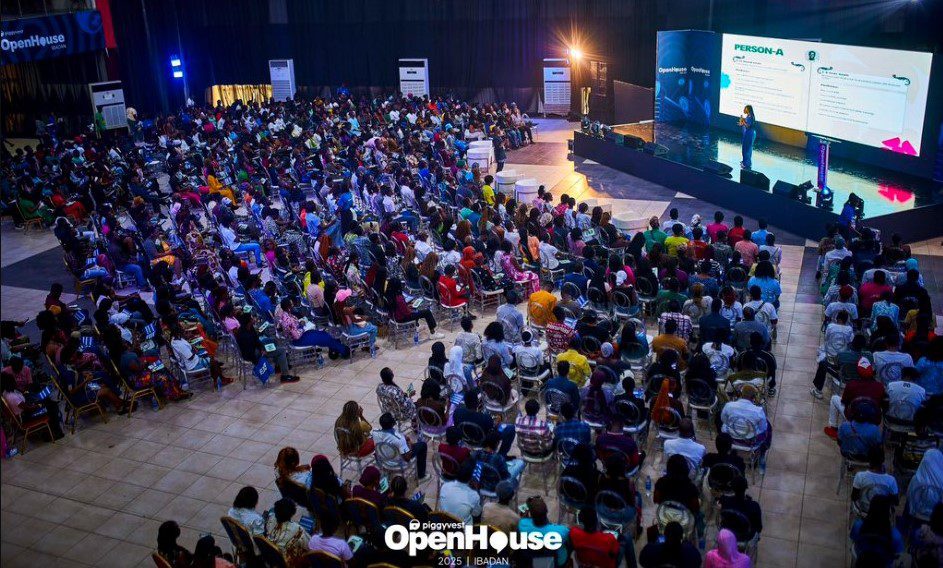
PiggyVest OpenHouse Event in Ibadan
The founders introduced what they called Open House, events held across different Nigerian cities where they sat with their users, listened to feedback, heard complaints, collected suggestions, and understood how real people were actually using the platform. Akinola described the information gathered at those sessions as instrumental, not just useful data, but the actual blueprint for features that shaped the product going forward.
What’s striking is how obvious this sounds in hindsight, yet almost nobody actually does it. Most startups sit back and let feedback come to them: a review here, a support ticket there. PiggyVest did the opposite. They literally moved across the country just to sit down and talk with the people whose money was on their platform. And what they got back wasn’t product data.
Similar read: Piggyvest makes CNBC’s World Top Fintech Companies 2026 list for the third year running
It was real human understanding, the kind that makes a product feel like it was made for you, not just for whatever demographic you happen to fall into.
Ten failures before PiggyVest worked
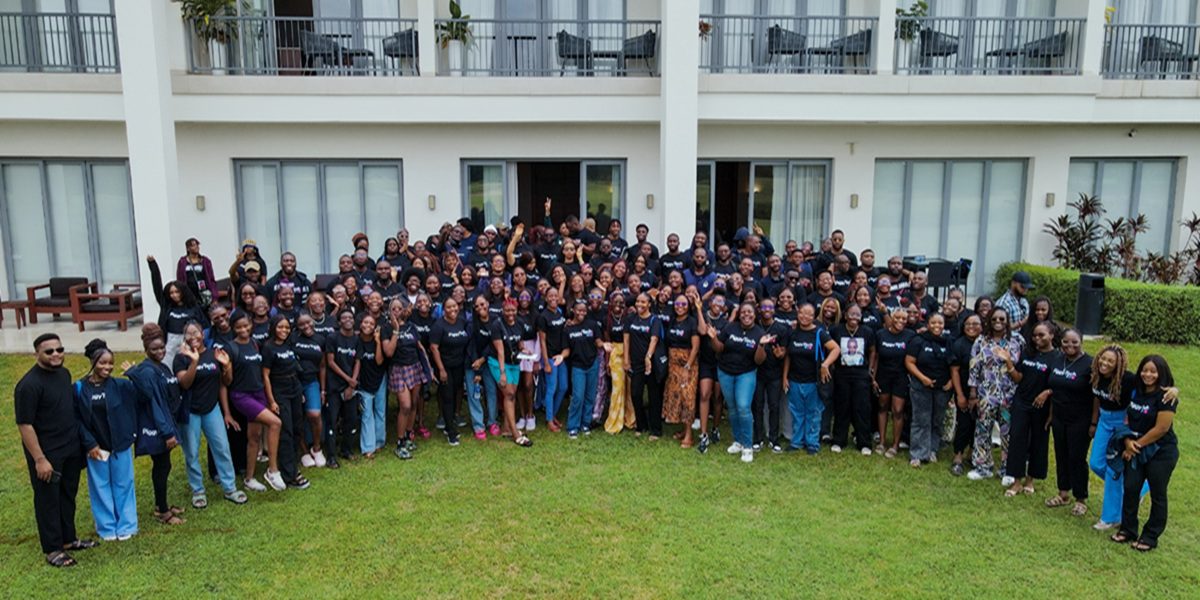
Before PiggyVest, Ayo Akinola and his co-founders had failed at over ten business ventures together. That detail is easy to read as a footnote, the obligatory “even the greats failed” paragraph. It is actually the most important part of the story.
Most founding teams that fail once call it quits. Blame creeps in, trust erodes, and everyone goes their separate ways. The founders behind PiggyVest? They failed more than ten times and stayed together. Akinola calls their bond a kind of shared trauma, and honestly, that phrase hits harder the more you think about it. When you’ve weathered that many defeats with the same people, you pick up something no accelerator program could ever teach you.
You learn how each person responds when things fall apart. You learn who keeps their head, who does the hard thing, and who you can trust when the pressure arrives.

Their skill sets were also genuinely complementary: numbers, operations, marketing, design, which meant the team could cover the full surface area of a business without stepping on each other. That combination of emotional bond and practical coverage is the kind of founding team structure investors talk about wanting. The PiggyVest team built it the hard way, through failure.
Before any of this, Akinola had faced rejection of a different kind. He was suspended and eventually expelled from Covenant University. The details of why matter less than the shape of the experience: a young man who was told, in concrete institutional terms, that he did not fit. What he did with that is visible in how he built PiggyVest: with a chip on the shoulder, yes, but also with an unusual willingness to learn from failure and keep moving.
The real lesson is not about savings, it is about iteration
PiggyVest’s success is often narrated as a story of vision. The founders saw that Nigerians needed a better way to save, and they built it. That version is cleaner but less useful than the actual one.
The actual version is a story of iteration. A product built fast and changed often. A team that listened more than it spoke. A business that grew not because it had all the answers at launch but because it kept asking the right questions afterwards. Akinola is explicit about this, he talks about being less emotional about business ideas, more data-driven, and willing to fail fast when something is not working.
For a founder who once had ten failed ventures to his name, that is not advice. It is autobiography.
PiggyVest processed ₦21 million in savings in year one. The number was never the point. The point was that people showed up, and the team was humble enough to figure out why, and smart enough to keep building until the answer was obvious.