Markets3 min read
South Korea's Crypto Boom Is Fading
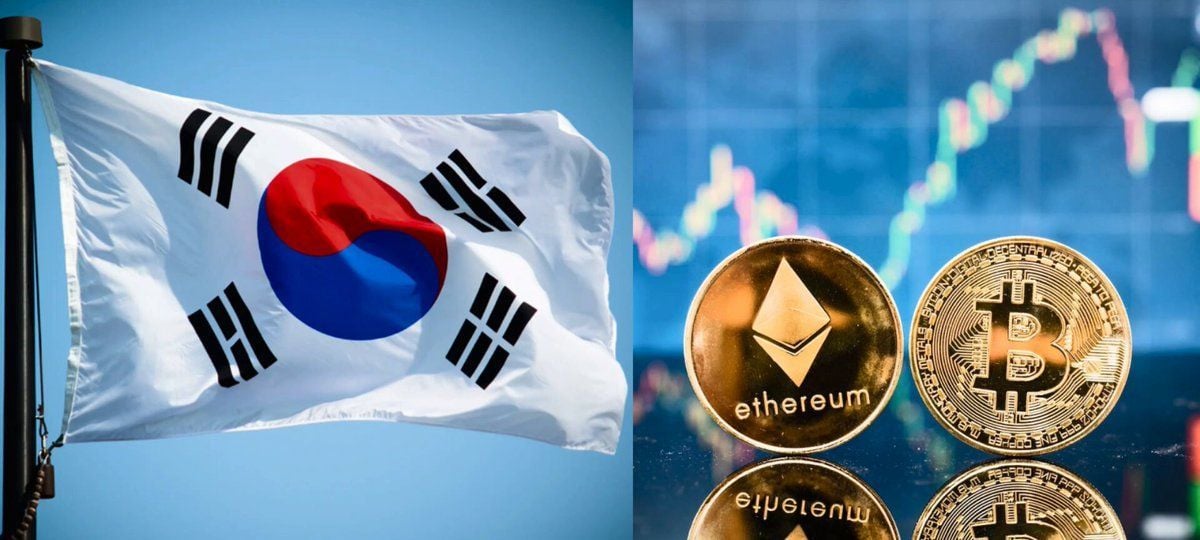
Crypto trading activity in South Korea has fallen sharply relative to the country's stock market, underscoring how quickly sentiment can shift in one of Asia's most active retail trading hubs
Jamie Dimon said JPMorgan Chase could spend up to $20 billion on a single acquisition in the coming years. He made the comments at the Bernstein Strategic Decisions Conference in New York on
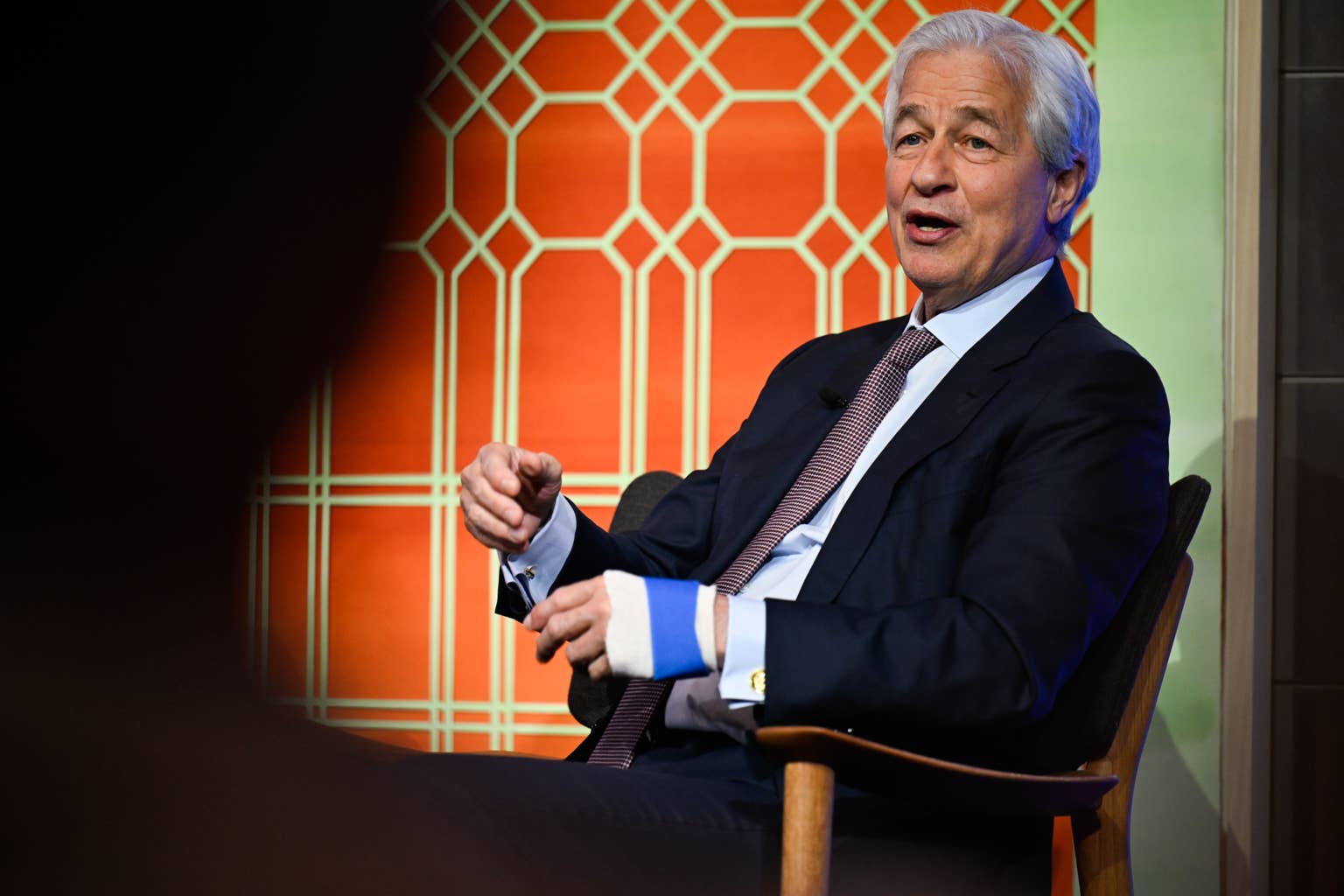
Jamie Dimon said JPMorgan Chase could spend up to $20 billion on a single acquisition in the coming years.
He made the comments at the Bernstein Strategic Decisions Conference in New York on Wednesday, May 27.
"I do think there might be opportunities, and so we are on the lookout. There might be, in the next couple years, a chance to put $10 [billion] or $20 billion to work buying something." said Dimon.
That would be the largest acquisition JPMorgan has made under Dimon. The bank currently holds $4.9 trillion in total assets and $2.7 trillion in deposits.
Related: JPMorgan analyst praises $60 billion growth of this crypto asset class
The number is $20 billion. But the way he talked about dealmaking was dismissive. He called it the thing people do when they cannot grow on their own.
"You sit around a lot of management meetings, the first thing they do when they're not doing well in organic growth is they start to bulls--t about [mergers and acquisitions]. I don't want to hear about M&A ... What are you doing to grow your business — sales, branches, tech, profits, products, services?"
He also said any target would need to fit into JPMorgan's existing business, not sit as a standalone.
"It can't be just a pie-in-the-sky type of thing."
Here is where JPMorgan stands financially, per its Q1 2026 earnings:
For comparison, JPMorgan paid $10.6 billion to the FDIC when it bought First Republic Bank in 2023. That deal brought in nearly $200 billion in assets.
A $20 billion deal is big, but it is not a stretch for a bank this size.
Related: Goldman Sachs analyst predicts $4,000 gold, calls it a better hedge than Bitcoin
Dimon's biggest acquisitions have all been crisis deals where he bought failing banks at a discount with government backing:
Outside of crisis deals, the track record is rougher.
JPMorgan bought Frank, a college financial aid startup, for $175 million in 2021. Frank claimed to have over 4 million student users. The real number was fewer than 300,000.
When JPMorgan tried to email 400,000 of Frank's supposed customers, roughly 70% of the addresses bounced. The founder, Charlie Javice, was convicted of fraud and conspiracy. She was sentenced to 85 months in prison in September 2025. The judge ordered $287.5 million in restitution.
The judge also said JPMorgan had "a lot to blame themselves for" in failing to verify the customer numbers before buying the company.
Dimon did not name any companies or sectors. But based on what he said, the target would need to:
JPMorgan has been exploring crypto trading for institutional clients. Its Kinexys blockchain unit processes over $1 billion in daily transactions through JPM Coin.
The bank also bought WealthOS, a wealth management platform, in January 2026.
A fintech deal, a payments deal, or a wealth management deal would all line up with where JPMorgan has been spending. A regional bank deal would add deposits and branches but would likely face heavy regulatory pushback.
Dimon has called Bitcoin a fraud, a pet rock, and a waste of time. He told Congress in 2023 that if he were the government he would "close it down."
Meanwhile, JPMorgan built one of the biggest blockchain operations on Wall Street.
The bank's Kinexys unit (formerly Onyx) processes over $1 billion a day through JPM Coin. In his April shareholder letter, Dimon said blockchain companies are now direct competitors to JPMorgan.
A $20 billion crypto acquisition would be the clearest sign that Dimon has moved past the talk. Some companies in that price range:
Dimon has never shown interest in owning crypto itself. But the infrastructure underneath it, the technology that moves money faster and cheaper, is exactly what JPMorgan is spending $19.8 billion a year trying to build internally.
If building is too slow, buying is the next move. That is, by Dimon's own words, when M&A makes sense.
JPMorgan is already the largest bank in the United States by assets, deposits, and market cap. Any big acquisition would need approval from:
Post-2008 banking rules were built to stop the biggest banks from getting bigger through acquisitions. The First Republic deal only got approved because the alternative was a messy failure that could have spread across the banking system.
A $20 billion deal under normal conditions is a completely different ask.
JPMorgan is also under political pressure. Florida launched a probe into the bank earlier this year over allegations of politically motivated account closures.
Dimon has denied those allegations. Eric Trump called debanking "very real" and said it happened to people close to the Trump family.
A massive acquisition right now would put JPMorgan under even more scrutiny. But based on what Dimon said Wednesday, he is at least open to it.