For the past two years, NVIDIA has become the face of the AI boom. But as artificial intelligence scales globally, investors are beginning to focus on the infrastructure powering the next phase of growth.
A
AnonymousCryptoCompass newsroom
June 5, 2026
7 min read
ANALYSIS
CryptoCompass editorial visual for markets coverage.
NVIDIA Isn't the Entire AI Story Anymore
The Company That Defined the AI Boom
Few companies have benefited more from the rise of artificial intelligence than NVIDIA.
Its chips power some of the world's most advanced AI systems.
Its market value has surged.
Its products remain in enormous demand.
For many investors, NVIDIA has become synonymous with AI itself.
But the AI economy is becoming larger than any single company.
The Next Bottleneck
Building powerful AI models requires more than advanced chips.
It requires:
Data centers
Electricity
Cooling systems
Network infrastructure
Construction capacity
As demand for AI services grows, these supporting industries are becoming increasingly important.
The next phase of the AI race may depend on who can build and power the infrastructure required to support exponential growth.
Modern AI systems rely on massive data center infrastructure capable of supporting advanced computing workloads.Source: Reuters
Why Energy Is Becoming an AI Investment Theme
Artificial intelligence consumes enormous amounts of electricity.
Technology companies are investing billions of dollars into securing future power capacity.
In several regions, utilities and energy providers are revising demand forecasts upward due to AI-related expansion.
What began as a software story is increasingly becoming an infrastructure story.
The New AI Supply Chain
Investors often focus on visible winners.
However, many beneficiaries operate behind the scenes.
Power producers.
Data center operators.
Cooling technology firms.
Network providers.
Construction companies.
These businesses may play a critical role in supporting future AI growth.
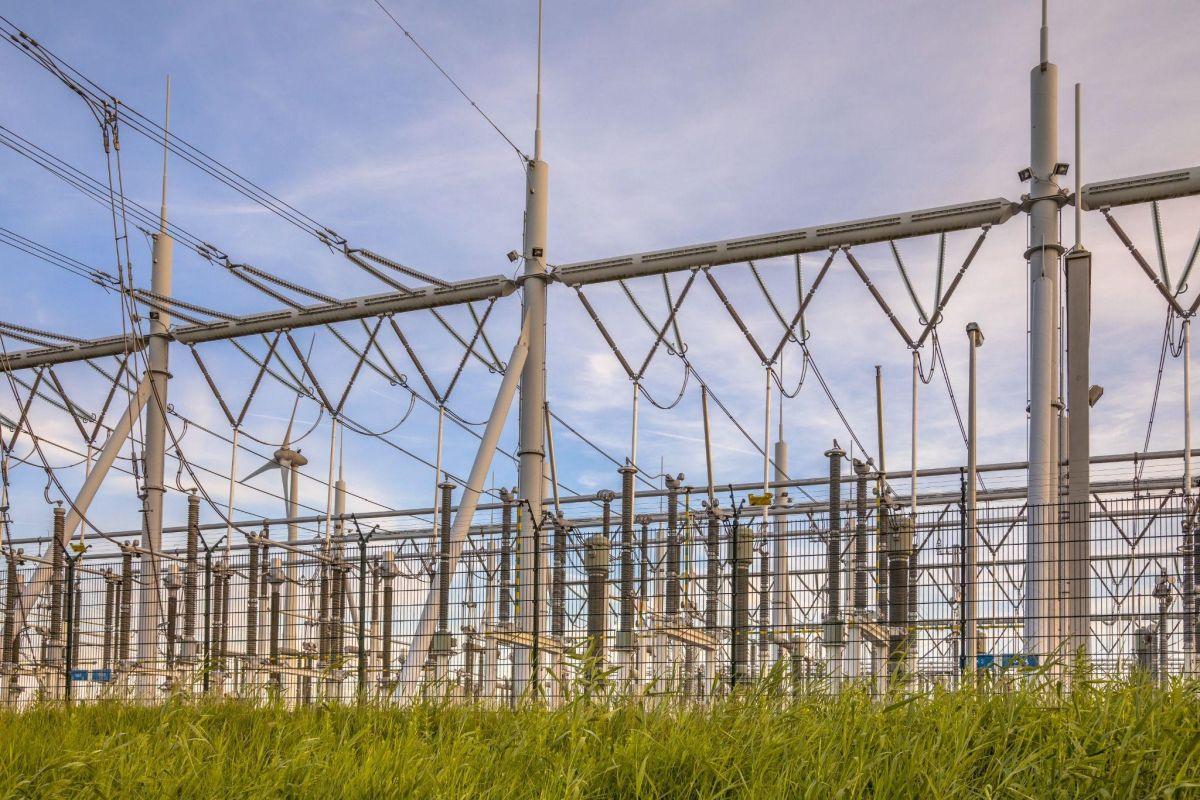
Energy infrastructure is becoming one of the most important foundations supporting global AI expansion.Source: Reuters
Why Investors Should Care
Markets often focus on the most obvious winner.
Yet investment opportunities frequently emerge throughout the broader ecosystem.
The first phase of AI rewarded software innovation.
The second phase rewarded chip manufacturers.
The next phase may reward the infrastructure providers that make large-scale AI deployment possible.
Looking Ahead
Artificial intelligence remains one of the most powerful investment themes in global markets.
But the conversation is evolving.
The future of AI may depend not only on better models, but also on better infrastructure.
Investors who understand that shift may identify opportunities beyond the companies dominating today's headlines.
CryptoCompass View
The biggest winners are not always the most visible.
As AI scales globally, infrastructure may become just as important as innovation.
Navigate Markets. Discover Opportunities.
Frequently Asked Questions
Why is NVIDIA important to AI?
NVIDIA supplies many of the high-performance chips used to train and operate advanced AI models.
Why are data centers important?
AI systems require enormous computing capacity that can only be delivered through specialized infrastructure.
Why is energy becoming an AI theme?
Data centers consume significant electricity, making power availability increasingly important.
What industries benefit from AI growth?
Semiconductors, utilities, data centers, cooling systems, networking, and construction.
What should investors watch?
AI infrastructure spending, data center construction, electricity demand forecasts, and cloud computing investment trends.
TLDR Cardano fell below $0.16 for the first time since December 2020. Social dominance climbed to 0.52%, the highest level in 2026. Daily active addresses rose to 28,459, a four-month high. C
Grayscale Head of Research Zach Pandl said pressure on Strategy’s leveraged Bitcoin accumulation model is adding volatility to the wider BTC market after the company disclosed the sale of 32
Key Takeaways FuelCell Energy releases fiscal Q2 2026 earnings before markets open Monday, June 8 Wall Street forecasts a loss of $0.43 per share with revenue reaching $40.51 million Shares h