PLRL: Verasity's Play to Redistribute Internet Value
PLRL: Verasity's Play to Redistribute Internet Value We’ve all felt it. The internet’s value is captured by a few, while the many who create it—users, creators, publishers—are left with scrap
A
AnonymousCryptoCompass newsroom
June 20, 2026
3 min read
NEWS
CryptoCompass editorial visual for defi coverage.
PLRL: Verasity's Play to Redistribute Internet ValueWe’ve all felt it. The internet’s value is captured by a few, while the many who create it—users, creators, publishers—are left with scraps. Verasity’s PLRL is a direct challenge to this model. It’s not just another token; it’s a consumer-facing ecosystem designed to function as an “internet equity layer.”The core premise is elegant: use blockchain rails to redistribute the economic value generated from user data, digital content, and advertising back to the participants who create it. PLRL, derived from “plural,” embodies this principle. It’s a shift from centralized accumulation to shared prosperity.The Ecosystem: Four Pillars, One TokenPLRL serves four primary groups: users, creators, brands, and publishers. Each group interacts through distinct products, all coordinated by the native $PLRL token, set to launch in H1 2026.- Data Vault: A consent-based repository where users stake their profile data. This data becomes a revocable, tokenized asset that generates rewards. It’s a direct monetization of personal data, but on your terms.- Content Marketplace: Creators upload and stake video content for licensing. Brands can access a vetted library of authentic media, paying creators in $PLRL. This cuts out the middleman and establishes a direct revenue stream.- Smart Delivery: An AI-driven system that selects and distributes content and ads based on user context. It improves relevance for users and ROI for advertisers, all while operating within the PLRL player.Tokenomics: The Economic Layer$PLRL is an ERC-20 token on Base, with a capped supply of 10 billion. Its utilities are straightforward: staking for participation tiers, rewards for contributions, and access for brands to use the platform’s products and datasets. This creates a closed-loop economy where value flows directly between participants.Use Cases: From Data to DollarsFor users, it’s about monetizing data securely. For creators, it’s a direct revenue stream. For brands, it’s access to authentic content and better ad targeting. For publishers, it’s higher-quality ads and improved user engagement. The roadmap is phased: token launch, ecosystem activation, then product rollout.Crynet’s Executive TakePLRL’s real innovation isn’t just the technology—it’s the strategic positioning. By bridging Verasity’s B2B ad tech with a B2C token economy, they create a flywheel where user data and creator content directly fuel enterprise demand. For crypto projects, this model offers a blueprint for building sustainable, value-driven ecosystems that attract both retail and institutional capital. The key metric to watch is not just token price, but the velocity of value exchange between these four groups.So, is PLRL the internet equity layer we’ve been waiting for? The architecture is sound, but execution is everything. We’re watching closely. What’s your take—can a token truly redistribute internet value, or is this just another layer of abstraction?Disclaimer: This content is for informational purposes only and does not constitute financial advice. Always conduct your own research before investing in any cryptocurrency or blockchain project.
Bitmine ETH holdings cannot be independently verified from the materials supplied for this draft. The approved source set includes ethereum.org, ethereum.org/whitepaper, etherscan.io, platfor
Key Takeaways CryptoQuant flagged a notable spike in ETH outflows from Binance in June 2026. Outflows can signal coins moving to cold storage or staking, off the sell side. ETH is testing maj
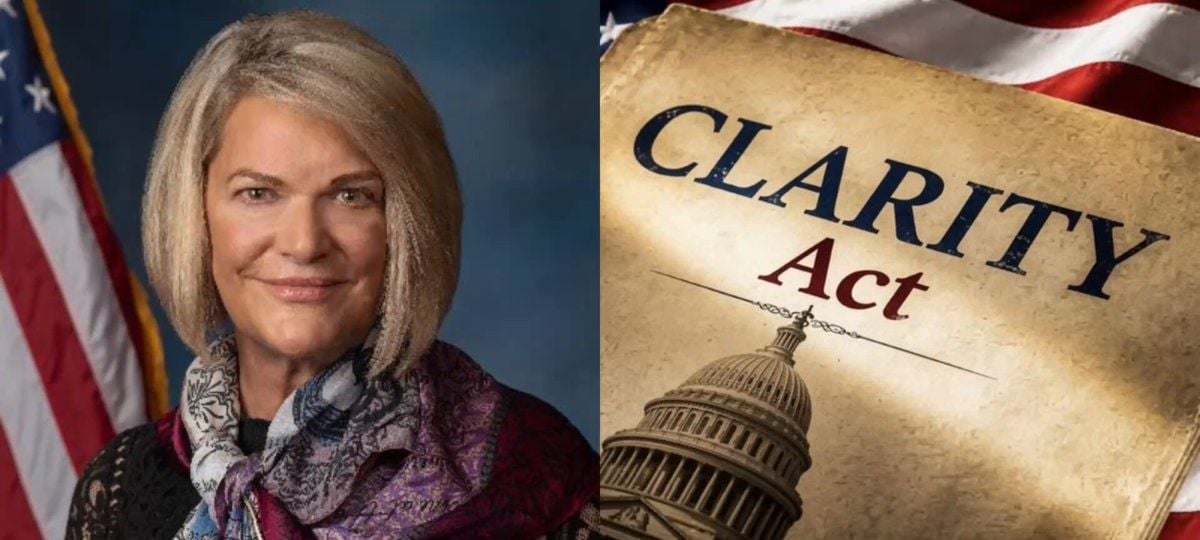
Lummis Reframes DeFi as a Feature, Not a Flaw @SenLummis has declared decentralized finance a "worthy innovation" rather than a regulatory loophole, marking a notable shift in how federal law