Real-world asset (RWA) tokenization is gaining attention across the blockchain industry. Stocks, bonds, and money market instruments are increasingly being represented digitally. Real estate,
Real-world asset (RWA) tokenization is gaining attention across the blockchain industry. Stocks, bonds, and money market instruments are increasingly being represented digitally. Real estate, however, faces a different set of challenges in adopting this model.
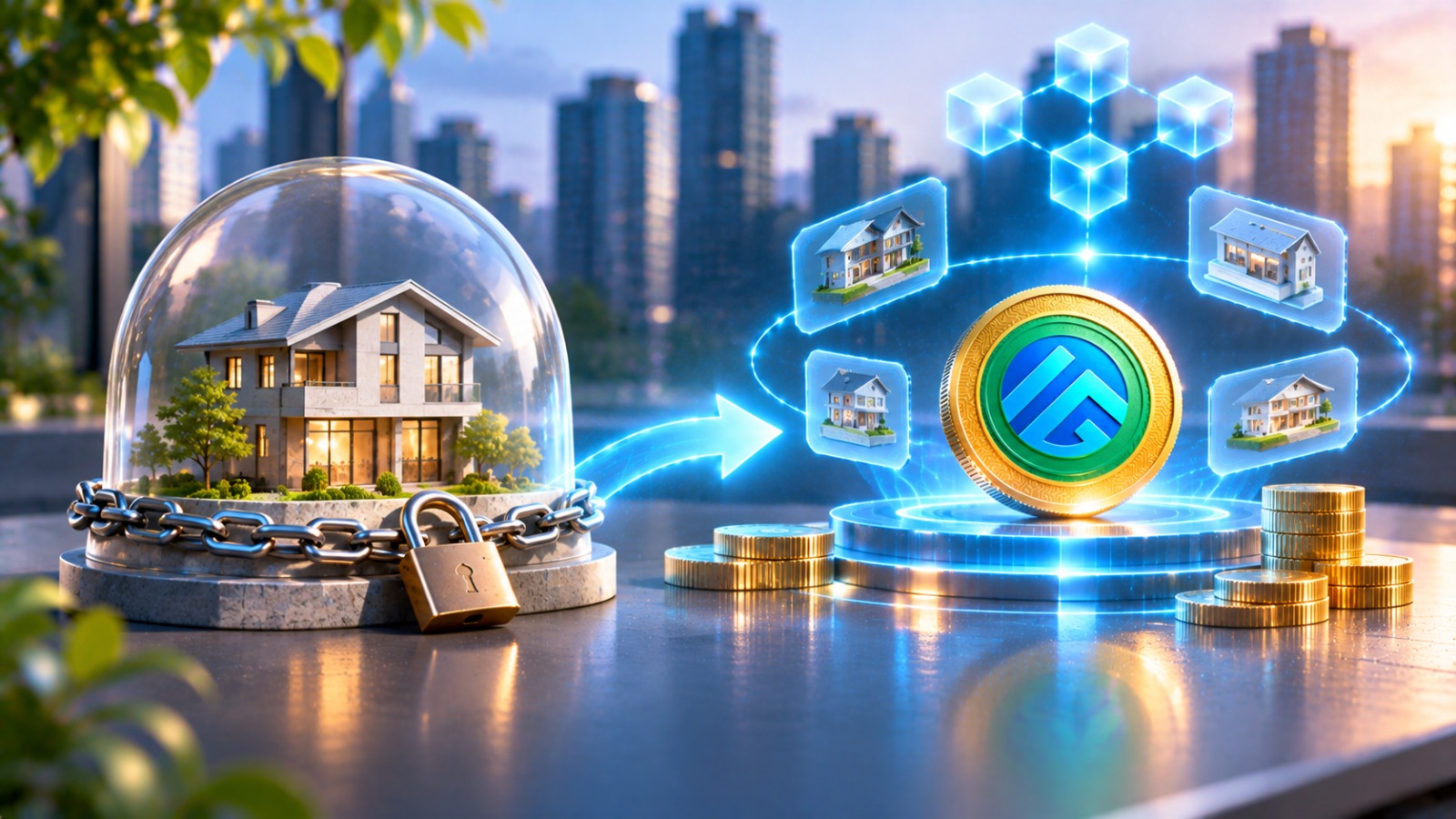
The issue is not simply how to turn property into tokens, but how to build a market where those tokens can be traded. A property's high value does not necessarily make it easy to sell. This makes liquidity one of the key factors shaping the future of real estate tokenization.
Unlike stocks or bonds, which generally operate through established trading systems, property transactions involve legal procedures, asset valuations, and ongoing physical management. Regulatory differences across jurisdictions also make it difficult to apply a single tokenization model across markets.
The secondary market presents another challenge. A token may be transferable on a blockchain, but that does not guarantee a buyer will be available when its holder wants to sell. Effective trading requires transparent pricing, clearly defined asset rights, and sufficient market participation.
As a result, the long-term potential of real estate tokenization depends not only on issuing tokens, but also on building the infrastructure needed to support their use and circulation.
AsetQu connects blockchain technology with digital property services through a utility token designed to provide access to the AsetQu Hub ecosystem. Its model focuses on practical functions within digital property services rather than representing direct ownership of physical real estate.
This places token utility at the center of AsetQu's approach. The token is intended to serve a defined purpose within the platform, giving it a role beyond simply being traded as a crypto asset.
The approach reflects a broader way blockchain can be applied to the property sector. Its role does not have to be limited to representing ownership; digital services can also provide a practical connection between blockchain technology and real estate activities.
Liquidity remains a major obstacle to real estate tokenization, while the sector continues to explore different applications of blockchain technology. Through its utility token and AsetQu Hub, AsetQu is taking a service-based approach to connecting digital assets with the property sector.
Instagram : @asetqu_official
Tiktok : @asetqu_official
Twitter : @AsetQu_Official
Website : www. asetquhub.com