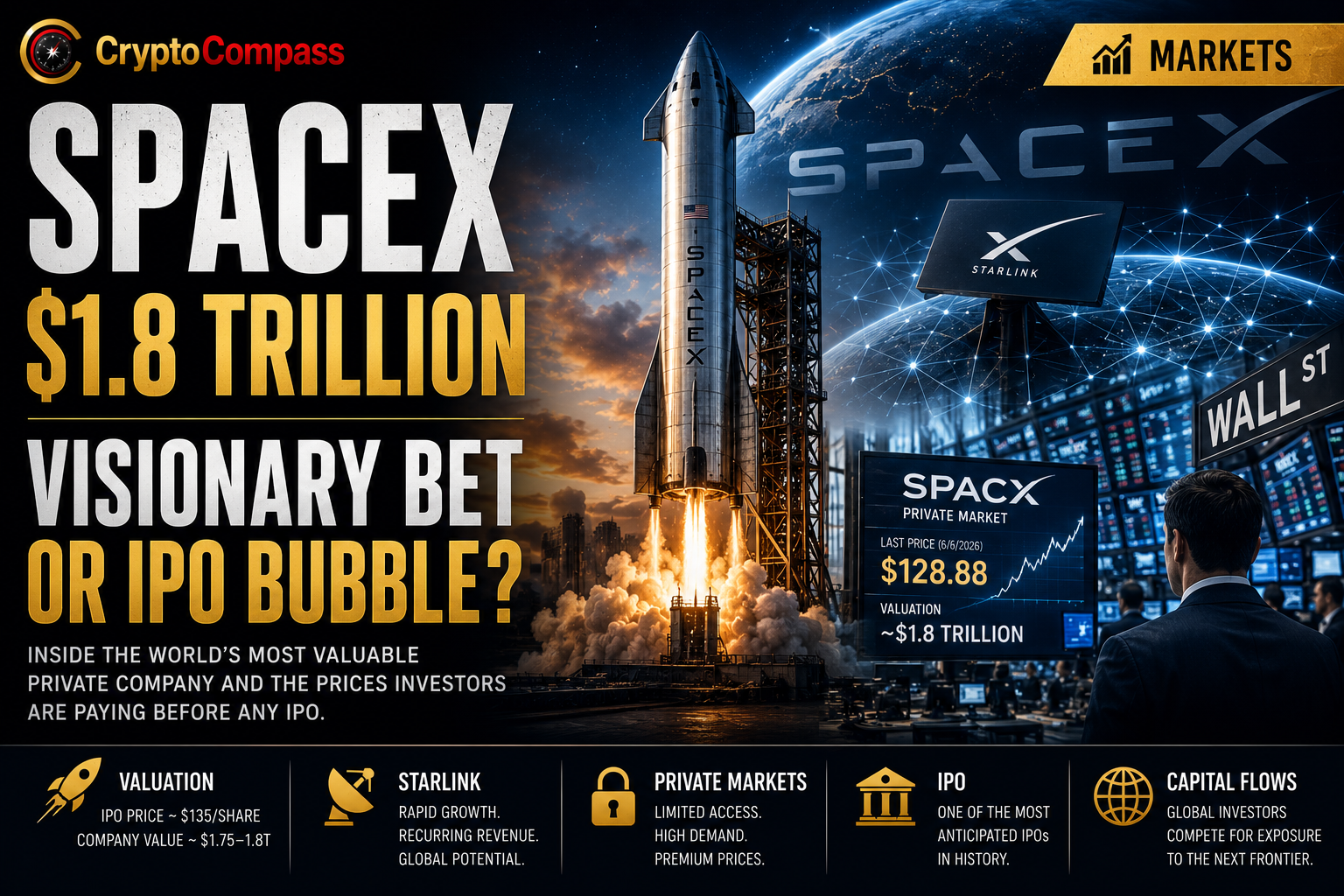
SpaceX at $1.8 Trillion: Visionary Investment or the Biggest IPO Bubble in Modern History?
Investors are willing to pay extraordinary prices for SpaceX shares before the company has even gone public. Is the market witnessing the rise of the next great industrial giant, or the formation of one of the most ambitious valuation stories ever created?
A
AnonymousCryptoCompass newsroom
June 12, 2026
15 min read
ANALYSIS
CryptoCompass editorial visual for markets coverage.
SpaceX at $1.8 Trillion: Visionary Investment or the Biggest IPO Bubble in Modern History?
The IPO Everyone Has Been Waiting For
Few companies have captured the imagination of investors like SpaceX.
Apple changed personal computing.
Amazon transformed commerce.
Google organized information.
NVIDIA became the face of the artificial intelligence revolution.
SpaceX, however, represents something different.
It is attempting to build entirely new industries.
Launch infrastructure.
Global satellite internet.
Space transportation.
National security systems.
Potentially even the future logistics network of humanity itself.
That ambition helps explain why investors are willing to value SpaceX at levels once reserved for the largest corporations on Earth.
Yet the excitement surrounding SpaceX raises an uncomfortable question.
At nearly $1.8 trillion, are investors paying for reality—or for possibility?
The World's Most Expensive Private Stock
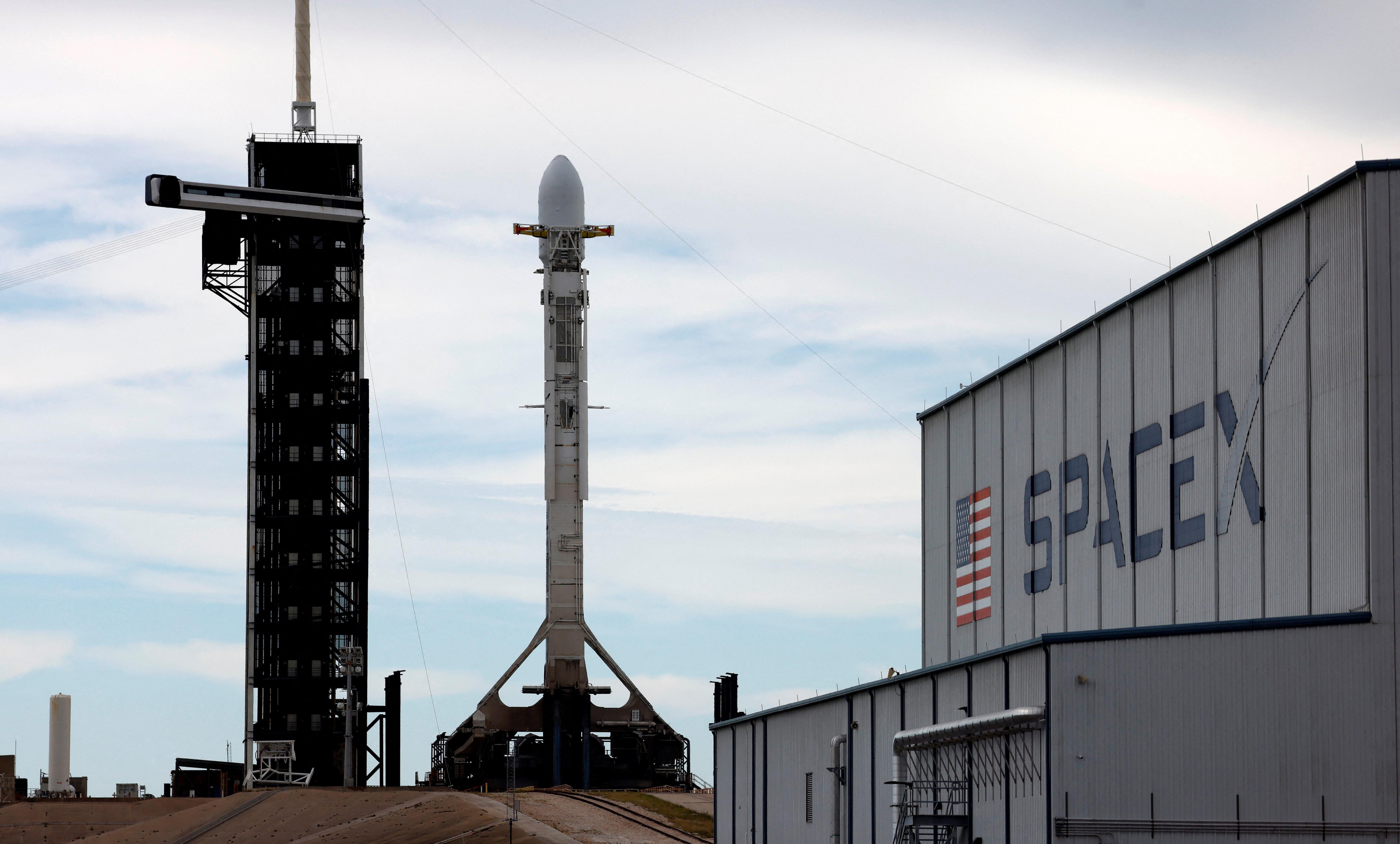
SpaceX has grown into one of the world's most valuable private companies, attracting unprecedented investor demand despite remaining outside public markets.
Unlike Apple or Microsoft, SpaceX remains private.
Most investors cannot simply open a brokerage account and buy shares.
Access is restricted.
Liquidity is limited.
Transactions typically occur through secondary markets, private placements, or special purpose investment vehicles.
This scarcity has become one of the company's most powerful assets.
When investors cannot easily buy something, demand often increases.
Private market trading has pushed SpaceX share prices toward levels that imply valuations exceeding many of the world's largest public companies.
In effect, investors are paying premium prices simply for the privilege of participating.
This phenomenon resembles luxury markets more than traditional equity investing.
Scarcity itself becomes part of the value proposition.
Understanding the Private Market Premium
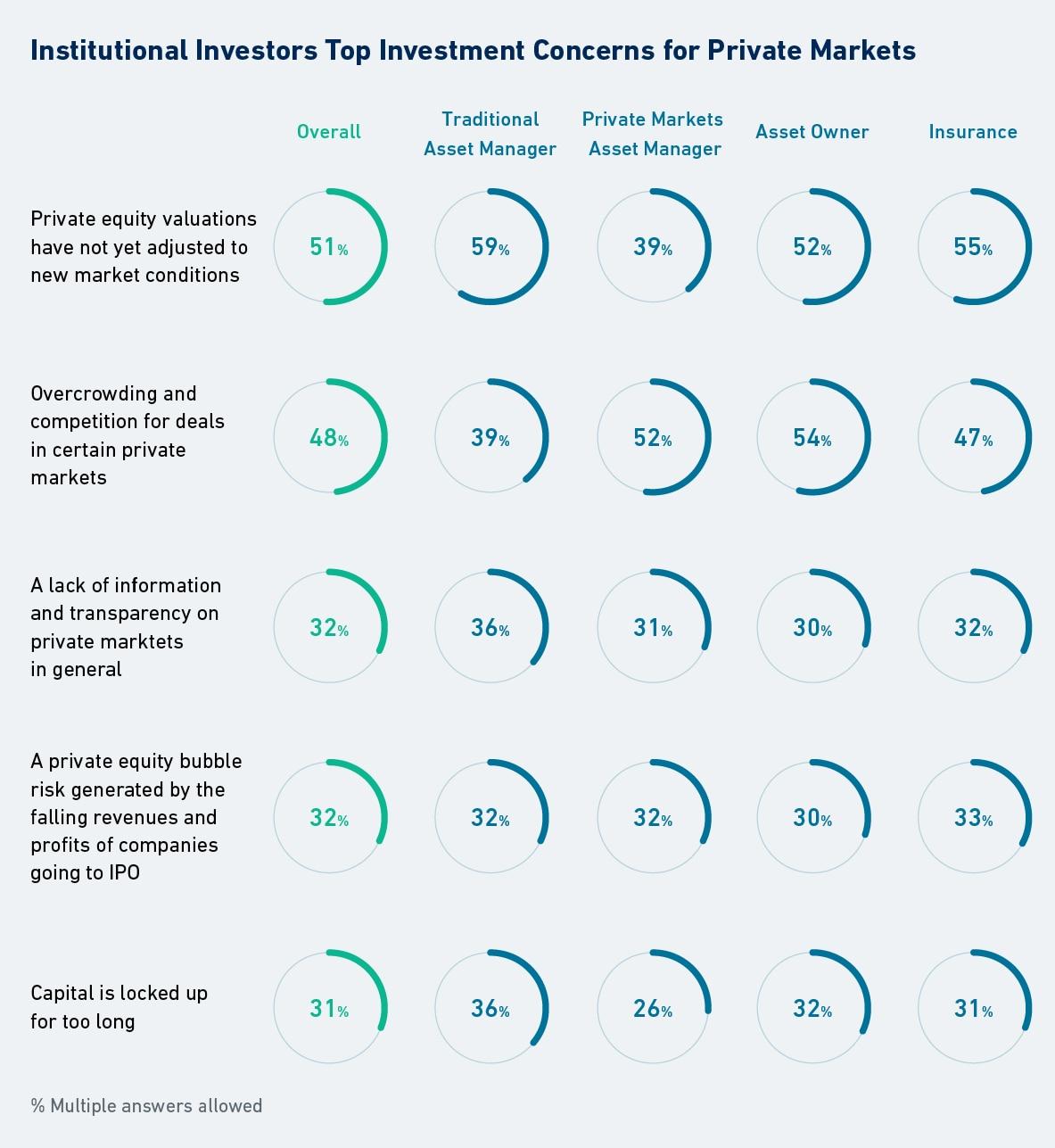
Institutional investors continue seeking exposure to high-growth private companies as competition for pre-IPO shares intensifies.
Public markets provide transparency.
Private markets provide exclusivity.
The difference matters.
When a public company trades, millions of participants continuously determine a fair price.
When a private company trades, only a limited group of buyers and sellers establish market value.
As a result, valuations can become heavily influenced by expectations.
And expectations surrounding SpaceX are enormous.
Investors are not evaluating the company solely on current revenue.
They are attempting to estimate what SpaceX could become ten or twenty years from now.
That distinction is critical.
Because future potential is significantly harder to measure than present performance.
Starlink May Be the Real Story
Many investors still associate SpaceX primarily with rockets.
That may be outdated.
Increasingly, analysts focus on Starlink.
Starlink is not simply a satellite project.
It is a global communications network.
Unlike launch contracts, which are episodic by nature, communications services generate recurring revenue.
Recurring revenue tends to command higher valuations.
This is one reason some analysts believe Starlink alone could eventually justify valuations comparable to major telecommunications companies.
If Starlink continues expanding globally, it could become one of the largest internet service providers in history.
And unlike traditional telecom providers, its infrastructure exists in orbit.
That possibility helps explain why bullish investors remain willing to pay extraordinary prices.
Why Traditional Valuation Models Struggle
Valuing SpaceX is unusually difficult.
Traditional methods rely heavily on earnings, cash flow, and comparable companies.
SpaceX challenges all three approaches.
There is no perfect comparison.
It operates across aerospace, telecommunications, defense, software, infrastructure, and advanced manufacturing.
Each business line would normally belong to an entirely different sector.
Should investors compare SpaceX to Boeing?
To Verizon?
To Lockheed Martin?
To Amazon Web Services?
To NVIDIA?
The answer may be all of them.
And that complexity contributes to valuation uncertainty.
The Bull Case: Why SpaceX Could Be Worth More Than $2 Trillion
Supporters of the current valuation make several compelling arguments.
First, launch dominance.
SpaceX has dramatically reduced launch costs while increasing launch frequency.
Second, Starlink.
The satellite network continues expanding and generating recurring revenue.
Third, national security.
Governments increasingly rely on SpaceX infrastructure for communications and defense applications.
Fourth, technological leadership.
The company continues to push the boundaries of aerospace engineering.
Fifth, optionality.
Many investors believe SpaceX has not yet revealed its most valuable future businesses.
The combination creates a narrative unlike almost anything seen in public markets.
For bulls, the question is not whether SpaceX deserves a trillion-dollar valuation.
The question is whether the market is still underestimating its long-term potential.
The Bear Case: When Expectations Become Dangerous
Not everyone agrees.
Skeptics argue that valuation expansion has begun outpacing economic reality.
A company worth $1.8 trillion must eventually justify that value through profits, cash flows, or dominant market positions.
History contains many examples of investors overestimating future growth.
Railroads.
Telecommunications.
Internet companies.
Electric vehicles.
Artificial intelligence.
Every transformative technology creates periods where expectations exceed fundamentals.
The concern is not whether SpaceX is an exceptional company.
The concern is whether investors are paying too much for excellence.
Great companies do not always make great investments.
Price matters.
What Crypto Investors Can Learn
The similarities between Bitcoin and SpaceX are surprisingly strong.
Both rely heavily on narrative.
Both benefit from scarcity.
Both attract investors seeking asymmetric upside.
Both inspire passionate communities.
Most importantly, both force investors to make judgments about the future.
Bitcoin investors often argue they are buying the future of money.
SpaceX investors argue they are buying the future of infrastructure.
Neither thesis can be fully proven today.
Both depend on long-term adoption.
That is why discussions surrounding SpaceX feel surprisingly familiar to many crypto investors.
The Real Question Is Not the IPO Price
Financial media often focuses on the IPO itself.
What price?
What valuation?
How much demand?
These questions matter.
But they may not be the most important questions.
The bigger issue is whether SpaceX can continue expanding faster than investor expectations.
Markets ultimately reward companies that exceed forecasts.
They punish companies that merely meet them.
The higher the valuation, the higher the expectations.
That dynamic becomes increasingly difficult to satisfy.
Looking Ahead
SpaceX occupies a unique position in global markets.
It combines technological ambition, scarcity, recurring revenue potential, government relationships, and visionary leadership.
Few companies possess that combination.
That is why investors continue paying record prices.
The company may eventually justify its valuation.
It may eventually exceed it.
Or it may become a reminder that even extraordinary businesses can become expensive.
The outcome remains uncertain.
What is certain is that SpaceX has become one of the most important investment stories of this decade.
And perhaps one of the most fascinating valuation debates in modern financial history.
CryptoCompass View
The market is not merely valuing rockets.
It is valuing a vision of the future.
The challenge for investors is determining how much that future is worth today.
Because at $1.8 trillion, belief itself has become one of SpaceX's most valuable assets.
Traders on Kalshi, the regulated prediction market platform, are placing bets that Bitcoin could fall below $50,000 before reaching $100,000, reflecting growing unease as volatility grips cry
This publication is sponsored and written by a third party. Coindoo does not endorse or assume responsibility for the content, accuracy, quality, advertising, products, or any other materials
Disclosure: This content is promotional in nature and provided by a third-party sponsor. It does not form part of the site’s editorial output or professional financial advice. Managing a high