TLDR SpaceX raises Q4 capital spending to $35B–$40B to accelerate AI compute expansion SPCX targets at least 13 GW of computing capacity by the end of 2027 SpaceX Q3 revenue jumps 161% to $14
TLDR
- SpaceX raises Q4 capital spending to $35B–$40B to accelerate AI compute expansion
- SPCX targets at least 13 GW of computing capacity by the end of 2027
- SpaceX Q3 revenue jumps 161% to $14.58B, beating Zacks estimates for the quarter
- Starlink adds 1.6 million subscribers as connectivity revenue climbs 69% year over year
- SpaceX reports $8.8B in adjusted EBITDA, marking a 306% annual increase
SpaceX (SPCX) shares climbed 3.45% to $141.08 after the company reported strong third-quarter 2026 financial results. The company also raised its capital spending outlook as it accelerates artificial intelligence infrastructure development. Meanwhile, management outlined expansion plans for compute capacity, Starlink services and Starship operations.
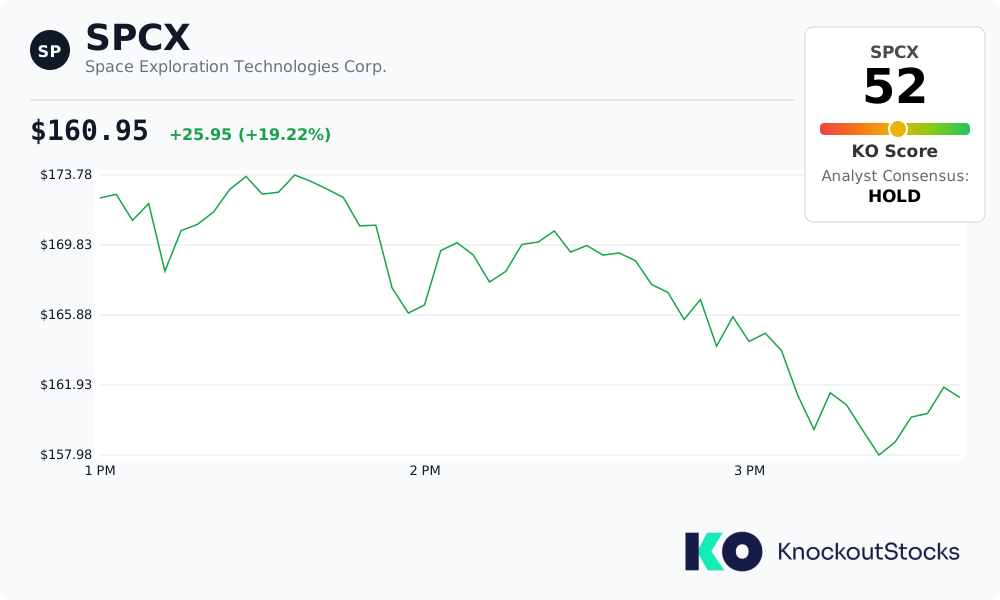
Space Exploration Technologies Corp., SPCX The company reported earnings of $0.35 per share, beating the Zacks Consensus Estimate of $0.10. Revenue reached $14.58 billion, exceeding the $12.54 billion estimate and increasing 161% year over year. Additionally, adjusted EBITDA climbed 306% to $8.8 billion as compute infrastructure and connectivity operations expanded.
SpaceX Raises Capital Spending as Compute Demand Accelerates
SpaceX expects fourth-quarter 2026 capital expenditures to reach between $35 billion and $40 billion. This represents an increase from third-quarter spending, which reached $19.6 billion. The company directed those funds toward compute infrastructure, Starship development and satellite production.
The increased spending supports SpaceX’s Super Intelligence (SI) infrastructure expansion. CEO Elon Musk expects nameplate compute capacity to reach 2.5 GW to 3 GW by December 2026. Furthermore, the company targets at least 13 GW of capacity by the end of 2027.
However, power availability, cooling systems, and electrical infrastructure remain important deployment requirements. SpaceX is developing turbine components internally to address power supply constraints. CFO Bret Johnsen also highlighted cloud demand and compute deployments with payback periods below one year.
SpaceX Expands Starship and Starlink Operations
SpaceX also outlined further progress in its Starship development program. Musk identified Flight 14 as a major milestone following the vehicle’s first orbital flight. The mission also included the deployment of operational Starlink V3 satellites.
Meanwhile, President and COO Gwynne Shotwell outlined plans for Starship Flight 15. SpaceX intends to attempt recovery of both vehicle stages during the mission. The company also targets its first second-stage reflight in early 2027.
Beyond Starship, Starlink continued expanding its consumer and enterprise operations. The satellite internet service reached 13.6 million consumer subscribers after adding 1.6 million during the quarter. Additionally, connectivity revenue increased 69% year over year to $5.2 billion, while monthly consumer average revenue per user reached $69.
SpaceX Reports Strong SI Revenue and Updates Growth Outlook
SpaceX generated $7.6 billion in SI revenue during the third quarter. The figure reflected expanding cloud agreements and contributions from the Cursor acquisition. Cursor generated $608 million following its August closing.
Furthermore, Shotwell highlighted enterprise adoption of Grok Bot and integration across Grok, Cursor, and related applications. Musk also outlined plans to allocate compute capacity between internal operations and external customers. The company intends to balance both areas while prioritizing commercial opportunities.
Management also reaffirmed its $100 billion annual recurring revenue target for December 2026. Johnsen projected first-quarter 2027 revenue between $33 billion and $37 billion. However, the company must balance infrastructure spending with operating cash flow and debt requirements.
SpaceX also addressed discussions surrounding a potential combination with Tesla. Musk confirmed that independent special committees were evaluating the proposal, although transaction terms remained unagreed. Meanwhile, management highlighted operating cash flows, investment-grade debt access and potential financing partnerships.
The post SpaceX (SPCX) Stock: Raises 2026 Capex Forecast as AI Compute Demand Surges appeared first on Blockonomi.
