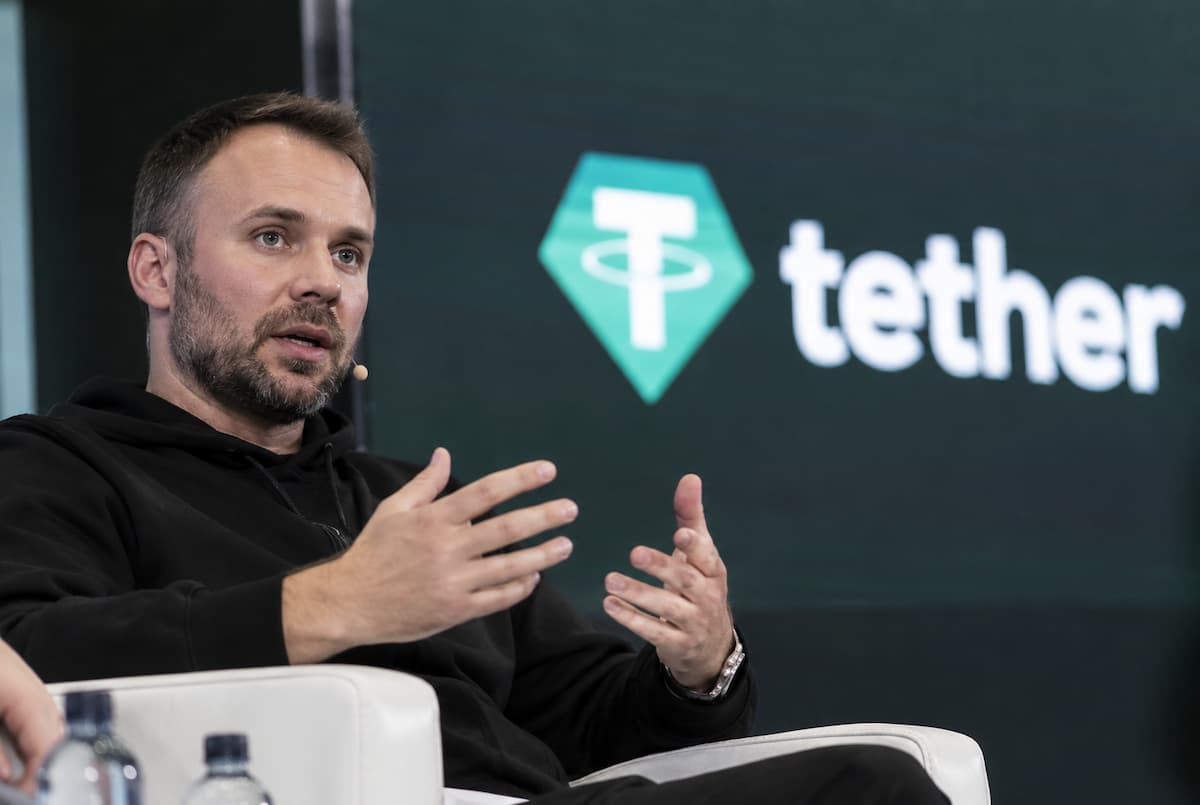
Tether is now in the private lending business, and it wants $3 billion for it
Tether and Fasanara Capital launched a $400 million fund to channel USDT-based capital into private credit. The fund aims to grow to $3 billion by drawing in outside institutional investors.
A
AnonymousCryptoCompass newsroom
September 10, 2026
2 min read
NEWS
CryptoCompass editorial visual for policy coverage.
Tether and Fasanara Capital launched a $400 million fund to channel USDT-based capital into private credit.
The fund aims to grow to $3 billion by drawing in outside institutional investors.
It will lend to borrowers across more than 60 countries.
Tether, the company behind the largest stablecoin, has launched a $400 million private credit fund with Fasanara Capital, an asset manager that already runs credit strategies tied to stablecoins. The fund’s initial commitment is meant to be a starting point rather than the ceiling: Tether and Fasanara are targeting up to $3 billion once outside institutional investors are brought in.
The mechanics are straightforward even if the ambition is not: capital denominated in USDT gets deployed as loans to businesses in more than 60 countries, many of them markets where dollar-denominated credit is scarce or expensive to access through traditional banking channels. For borrowers in those markets, it’s a new source of dollar liquidity; for Tether, it’s a step beyond simply holding reserves and toward actively originating credit.
That shift matters for how Tether’s business is understood. Tether has spent most of its history explaining what backs USDT, largely short-term US Treasuries and cash equivalents. A private credit fund is a different kind of asset entirely, one with real default risk and a return profile Tether is choosing to take on directly rather than through its reserve portfolio. Whether that risk stays cleanly separated from the reserves backing every USDT in circulation, or whether the two businesses end up intertwined in investors’ minds regardless of how they’re structured on paper, is the question this move raises rather than answers.
You can also read this news on BH NEWS: Delay in Launch of XRP-focused Fund Raises Questions In a notable development affecting the cryptocurrency investment landscape, the timeline for Teucr
How Does Omniston Aggregate TON Liquidity on STONfi? TON's liquidity isn't sitting in one place waiting to be traded — it's scattered across STON.fi's own pools, other TON DEXs, and independe
RAY surged 96.5% weekly as tokenized stocks boosted Raydium’s growing Solana ecosystem. Record $640,788 buyback and rising activity strengthened bullish momentum around RAY. RAY remains bulli