BitcoinWorld The Complacency Trade: Why Markets Aren’t Pricing in Risk Anymore A notable divergence has emerged between equities and safe-haven assets: the US30 (Dow Jones Industrial Average)
BitcoinWorld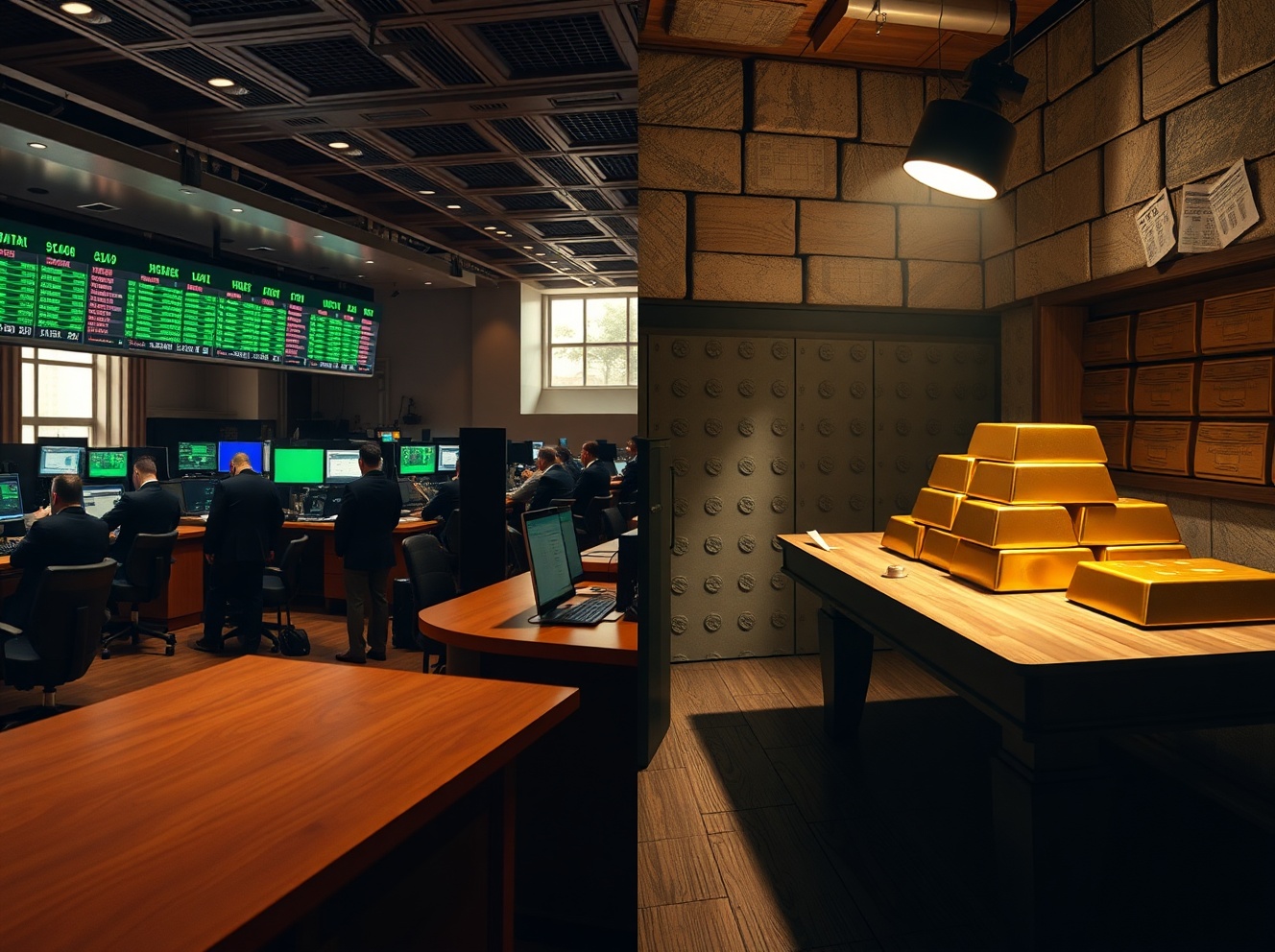 The Complacency Trade: Why Markets Aren’t Pricing in Risk Anymore
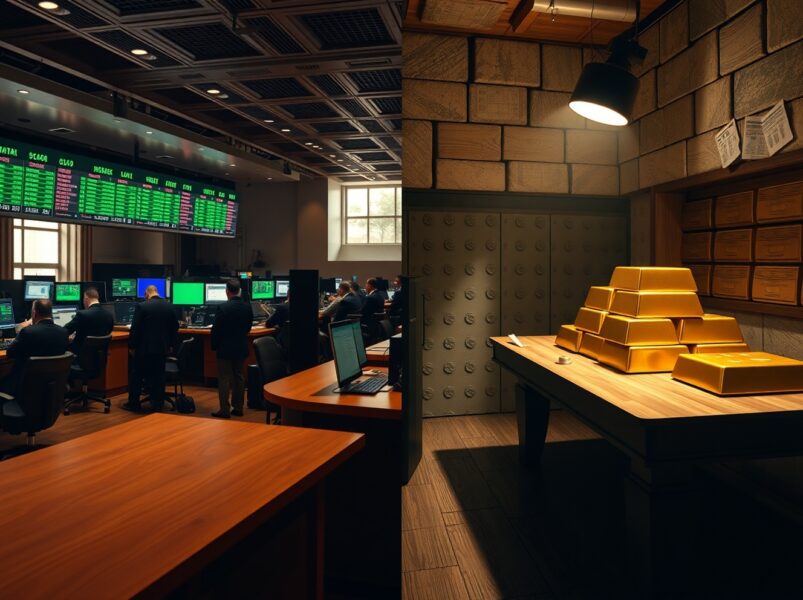
A notable divergence has emerged between equities and safe-haven assets: the US30 (Dow Jones Industrial Average) continues to grind higher with remarkably low volatility, even as gold (XAU/USD) holds elevated levels that typically accompany heightened risk aversion. This unusual co-existence of risk-on and risk-off behavior suggests a market caught between confidence and caution — a complacency trade that may be vulnerable to a sudden shift in sentiment.
What Is Driving the Calm in Equities?
The US30 has shown resilience despite persistent inflation data, geopolitical tensions in Eastern Europe and the Middle East, and uncertainty around central bank policy direction. Implied volatility measures, such as the VIX, have remained subdued, indicating that options traders are not pricing in significant downside risk. Several factors appear to support this calm: strong corporate earnings reports from major industrial and financial components of the Dow, a resilient labor market, and expectations that the Federal Reserve may begin easing monetary policy later this year. However, this narrow path to continued gains leaves little room for negative surprises.
Gold’s Persistent Strength: A Warning Signal?
Gold has held above key support levels near $2,300 per ounce, a price range historically associated with elevated uncertainty. Central bank buying, particularly from China and other emerging market economies, has provided a structural bid beneath the market. Yet gold’s refusal to decline even as equities rally suggests that institutional investors are maintaining hedges against tail risks. This is not the behavior of a market fully confident in the economic outlook. Instead, it resembles a portfolio positioning that is long both growth and protection — a stance that tends to unwind sharply when a catalyst forces a reassessment.
Why the Divergence Matters for Investors
The simultaneous strength in stocks and gold is historically rare. During periods of genuine economic optimism, gold typically underperforms as capital flows toward risk assets. When fear dominates, equities fall and gold rallies. The current pattern — both rising together — implies that market participants are betting on a Goldilocks scenario: disinflation without recession, rate cuts without a growth scare. Should economic data disappoint, the unwinding of this dual positioning could be abrupt. A spike in the VIX, a break below support in the US30, or a sudden surge in gold toward new highs would confirm that the complacency trade has ended.
Conclusion
The US30 and XAU divergence is a signal worth watching, not a reason to panic. It reflects a market that has learned to look past headline risks but has not fully discarded them. For now, the path of least resistance remains higher for equities, but the safety net of gold holdings suggests that many investors are prepared for a scenario where that changes. The next jobs report, inflation print, or central bank decision could be the trigger that breaks the calm.
FAQs
Q1: What does it mean when stocks and gold both rise?A: It suggests investors are simultaneously optimistic about growth and hedging against downside risks — a cautious bullish stance that can reverse quickly if sentiment shifts.
Q2: Is the US30 rally sustainable?A: The rally is supported by solid earnings and a resilient economy, but low volatility and high valuations leave it exposed to negative catalysts. Sustainability depends on continued favorable data.
Q3: Should investors follow the complacency trade?A: The divergence is a warning, not a recommendation. Investors should assess their own risk tolerance and consider whether their portfolio is positioned for a potential volatility spike.
This post The Complacency Trade: Why Markets Aren’t Pricing in Risk Anymore first appeared on BitcoinWorld.