Every content creator knows the heartbreak of opening social media only to find their “original” idea thriving on someone else’s page. Sometimes it’s a repost without credit. Other times it’s
Every content creator knows the heartbreak of opening social media only to find their “original” idea thriving on someone else’s page. Sometimes it’s a repost without credit. Other times it’s a copied script, a recreated skit or, increasingly, an AI-generated version that looks just different enough to pass as new.
That uncomfortable reality was brought into sharp focus just two weeks ago when actress Anita Joseph publicly apologised after content creator Caramel Plug accused her of using artificial intelligence to superimpose her face onto one of Caramel’s original photographs and post it as her own.
While the incident centred on a single image, it reignited a much broader conversation about authenticity, ownership and the ease with which digital content can be altered.
Social media has always thrived on trends. One creator comes up with an idea, others jump on it, and before long, everyone has their own version. But somewhere between drawing inspiration and chasing virality, we’ve become too comfortable with copying.
Today, the race to be seen often matters more than the effort it took to create something worth seeing in the first place.
That is why a recent comment by Nigerian content creator and skitmaker Sydney Talker resonated with many aspiring creators. Speaking at the Creators Keynote event on Monday, he said, “The first ideas to start with are the ones that have been done before, so just do it in your own way.”

He isn’t wrong.
The best creators rarely invent an entirely new concept; they reinterpret existing ones through a fresh perspective. The problem starts when “your own way” simply means changing a few words, swapping a face, using a different voice or reposting someone else’s work with little or no acknowledgement.
Inspiration often builds on ideas. Plagiarism profits from them.
When the original creator becomes the copycatFew examples illustrate this better than content creator Tope Babalola.
After his Platinum Card skit went viral, thousands of people used it to create their own videos, something he says he genuinely enjoyed. But many others went a step further, re-uploading the original audio as their own or even using AI to alter his voice before posting it without any credit.
The consequences were almost unbelievable. According to Babalola, a much bigger and more popular YouTuber reposted his original audio without attribution, which attracted more than 11 million views before the video was eventually taken down after he reported it for copyright infringement. By then, many viewers had seen the copied version first and accused Babalola of stealing his own script.
Babalola also said the most frustrating part wasn’t people recreating his work; it was the absence of credit.
“Imagine being accused of stealing your own voice. Yeah, crazy. This is nothing new. I’ve created plenty of videos over the years where this has happened. And I’ll usually just ask the people who took my audio to just credit me in the captions. Literally takes two seconds, and we’re good,” he said.
Without that attribution, original work quickly becomes anonymous, while the people who copied it enjoy the rewards.
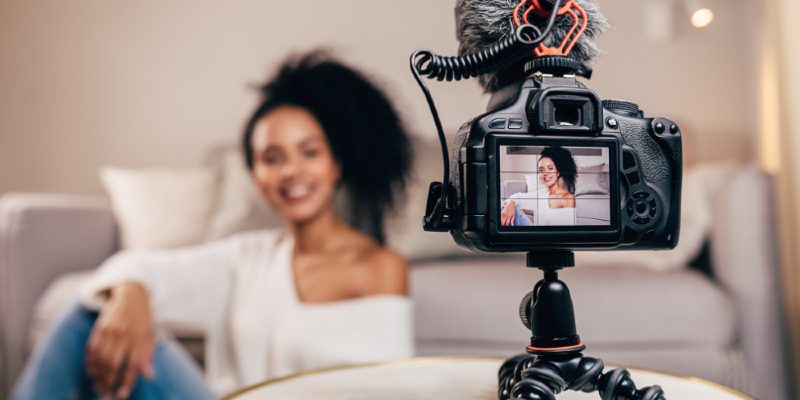
And that’s the real problem with today’s creator economy. Algorithms reward engagement, not originality. They don’t ask who had the idea first, they simply amplify whatever keeps people watching.
In many cases, the copier ends up earning the views, followers and brand deals while the creator who invested the time and creativity into the idea is left trying to prove it was theirs in the first place.
AI changed the rules of content theftArtificial intelligence didn’t invent plagiarism. People have been copying creative work for decades. What AI has done is make it faster, cheaper and much harder to detect.
Today, almost anyone can rewrite a script in seconds, clone a creator's voice, swap faces in photographs or recreate an entire video with AI tools. The technology has lowered the barrier to content creation, but it has also lowered the barrier to content theft.
That presents a challenge that copyright laws were never designed to solve overnight. While copyright protects the original expression of an idea, not the idea itself, it becomes increasingly difficult to prove infringement when AI can make copied content appear just different enough to avoid obvious detection.
Perhaps the bigger issue is cultural rather than legal.
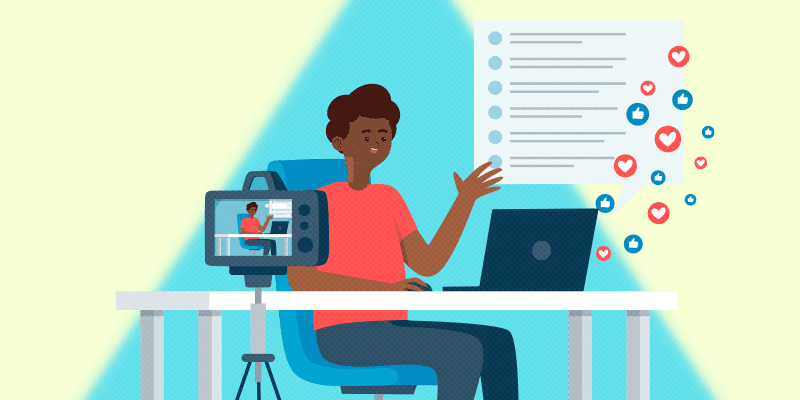
Too many people now see content on the internet as communal property simply because it is publicly available. If it’s online, they assume it’s free to repost, recycle or repackage.
The creator economy has become one of the world’s fastest-growing industries because it rewards originality. Yet every time an uncredited repost goes viral or an AI-generated copy outperforms the original, that promise is weakened. The internet has made creating easier than ever, but it should not make claiming someone else’s creativity easier too.
No one owns the idea of making comedy, reviewing gadgets or filming street interviews. But if someone writes the script, records the audio, shoots the video or creates the artwork, that work belongs to them. The least the rest of us can do is acknowledge it.
Also read: 10 careers you didn’t know existed in the creator economy