BitcoinWorld Why the Pound’s Moves Against the Dollar Often Leave Traders Unfazed The British pound’s exchange rate against the US dollar frequently remains range-bound despite major UK econo
BitcoinWorld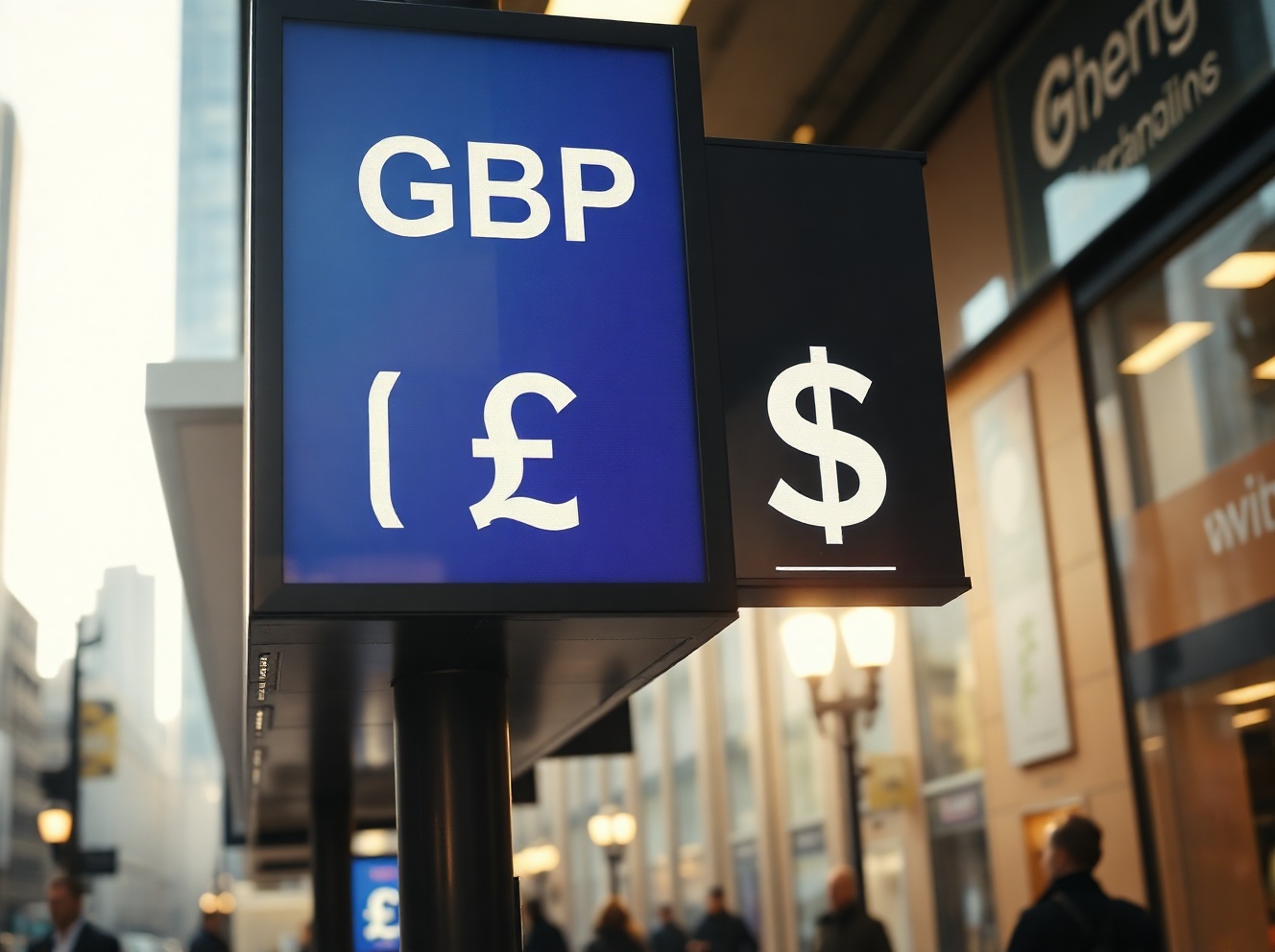 Why the Pound’s Moves Against the Dollar Often Leave Traders Unfazed
The British pound’s exchange rate against the US dollar frequently remains range-bound despite major UK economic announcements, a pattern that underscores the dominance of global dollar dynamics and structural market forces over domestic headlines. As of mid-2025, GBP/USD has traded within a relatively narrow band of roughly 1.24 to 1.28, even as the Bank of England and the Federal Reserve navigate divergent policy paths.
What Drives the Pound-Dollar Pair?
The pound-dollar pair is one of the most traded currency pairs globally, and its movements are shaped by a complex mix of interest rate differentials, economic data, and risk sentiment. While UK-specific events—such as budget announcements or inflation reports—can trigger short-term volatility, the broader trend is often dictated by the relative strength of the US economy and the Federal Reserve’s policy stance. Since the dollar serves as the world’s primary reserve currency, shifts in global risk appetite or US economic data tend to have a outsized impact on the pair.
Interest Rate Differentials and Market Expectations
Interest rate expectations are a primary driver of currency movements. The Federal Reserve’s prolonged period of elevated interest rates, aimed at curbing inflation, has kept the dollar attractive to yield-seeking investors. Meanwhile, the Bank of England has faced its own inflation challenges but has sometimes signaled a more cautious approach to tightening. This divergence in policy expectations can offset positive UK news, preventing sustained pound strength. As of late 2025, markets have priced in gradual rate cuts from both central banks, but the pace and timing remain uncertain, keeping the pair in a holding pattern.
Why the Pound’s Stability Matters
For businesses and investors, a stable exchange rate reduces uncertainty and supports trade and investment planning. However, it also means that UK economic fundamentals—such as productivity growth or trade balances—may not be fully reflected in the currency’s value. This disconnect can be frustrating for policymakers and exporters, but it reflects the reality of a globalized financial system where the dollar’s role as a safe haven often overshadows domestic narratives.
Conclusion
In summary, the pound’s relative stability against the dollar is not a sign of UK economic complacency but a result of structural factors, including the dollar’s global dominance and the primacy of interest rate expectations. Traders and analysts watch UK data releases for short-term cues, but the long-term trajectory of GBP/USD will likely continue to be dictated by broader macroeconomic trends, particularly the Federal Reserve’s policy path. Understanding these dynamics is essential for anyone looking to navigate the forex market effectively.
FAQs
Q1: Why does the pound often not react strongly to UK economic data?Because the GBP/USD pair is heavily influenced by global factors, especially the dollar’s strength and US interest rate expectations. UK-specific data can cause short-term moves, but the overall trend is often dominated by these broader forces.
Q2: What is the main driver of the pound-dollar exchange rate?Interest rate differentials between the Bank of England and the Federal Reserve are the primary driver. When the Fed’s rates are higher or expected to stay high, the dollar tends to strengthen, pressuring the pound.
Q3: Is a stable exchange rate good or bad for the UK economy?Stability can be beneficial for businesses and investors by reducing uncertainty. However, it may also mean the currency is not adjusting to reflect the UK’s relative economic performance, which could lead to imbalances over time.
This post Why the Pound’s Moves Against the Dollar Often Leave Traders Unfazed first appeared on BitcoinWorld.