Markets7 min read
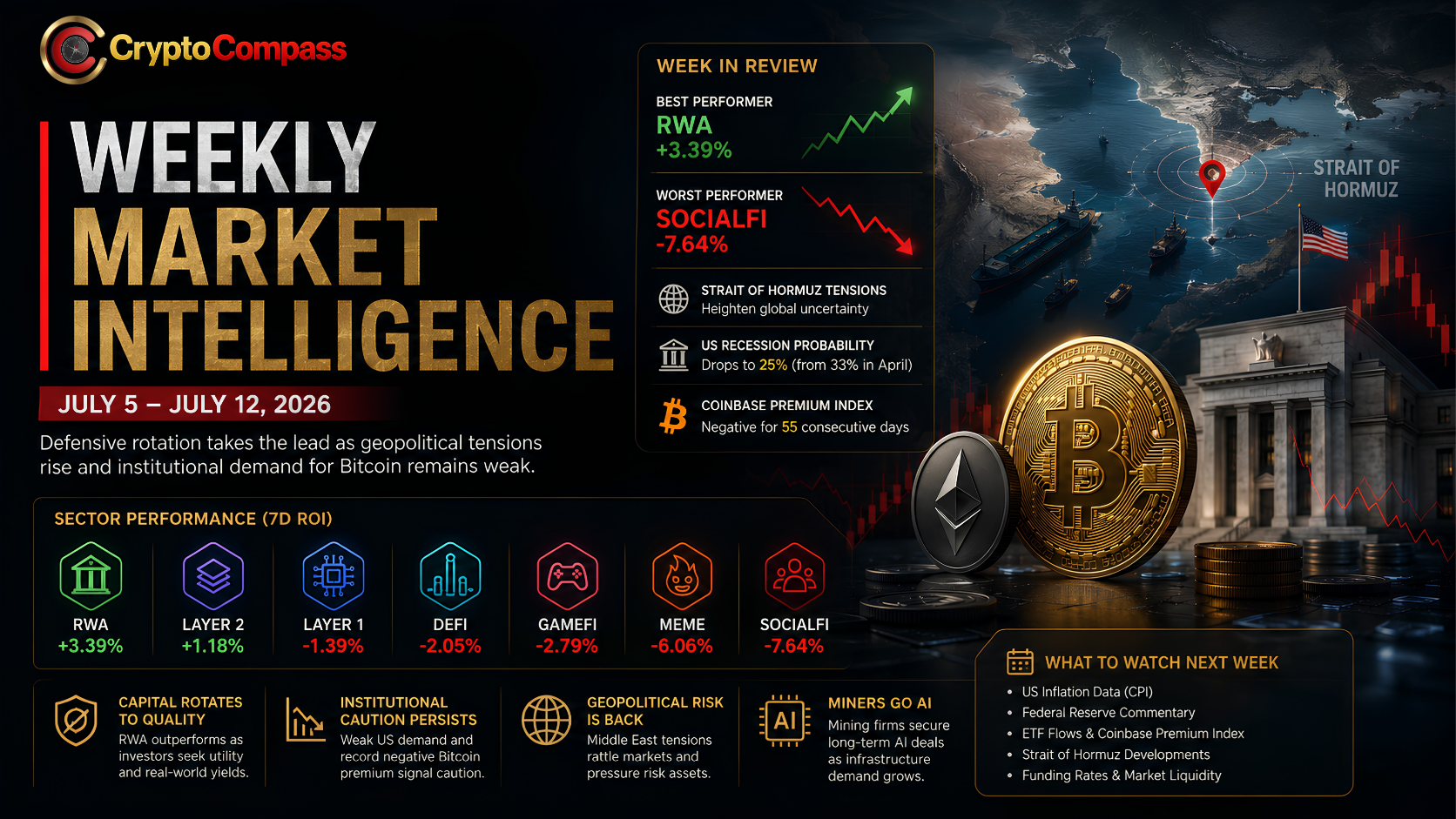
Weekly Market Recap | July 5 – July 12, 2026
RWA led all crypto sectors with a weekly gain of 3.39%, extending its reputation as one of the strongest narratives throughout 2026.
You can also read this news on BH NEWS: XRP’s Path: Navigating the Financial Frontier The debate surrounding Ripple’s XRP and its necessity for SWIFT in achieving global success has gained mo
You can also read this news on BH NEWS: XRP’s Path: Navigating the Financial Frontier
The debate surrounding Ripple’s XRP and its necessity for SWIFT in achieving global success has gained momentum recently. This development comes on the heels of SWIFT’s announcement that it is ready to deploy its blockchain-based shared ledger, a project that was started merely nine months ago.
SWIFT, known for its extensive financial messaging network connecting thousands of banks worldwide, has made strides with its digital asset initiative as it prepares to launch a blockchain-based ledger. This announcement has fueled discussions about the roles that SWIFT and XRP might play — whether they are adversaries, allies, or will function independently with distinct goals.
Many experts in the field argue that XRP does not rely on SWIFT for global adoption. They emphasize that Ripple’s infrastructure provides direct connectivity to more than 13,000 banking and financial entities without the need for SWIFT’s existing protocols.
“XRP doesn’t need SWIFT. It already has access to more than 13,000 banks. It’s SWIFT that needs XRP.”
This sentiment is echoed within the XRP community, highlighting how Ripple has spent years forming direct partnerships with banks, regulatory entities, and payment services worldwide, sidestepping SWIFT’s traditional correspondent banking system.
The answer is a confident yes. CharuSan, a veteran computer engineer and XRP analyst, stresses that XRP was not designed to work alongside existing payment networks but to act as a superior alternative. According to CharuSan, the outdated financial frameworks are what XRP’s blockchain technology aims to surpass, differentiating itself by not relying on old intermediaries.
XRP’s ability to function independently from SWIFT is seen as a long-term advantage by some market commentators, positioning it for broader opportunities beyond supporting legacy systems.
Ripple’s innovative blockchain network is crafted to facilitate cross-border monetary transactions that are faster, more economical, and efficient compared to conventional methods. By avoiding reliance on a central clearinghouse, Ripple seeks to render global settlements for financial institutions more seamless.
As the debate evolves, a consensus seems to be forming: The XRP Ledger’s continuous development, rather than its potential ties to SWIFT, will significantly determine XRP’s place in the global financial landscape. This showcases the importance of focusing on tangible advancements over theoretical debates.
Continue Reading: XRP’s Path: Navigating the Financial Frontier