AMC Entertainment CEO Adam Aron has demanded that Robinhood stop trading tokens linked to AMC shares, while Robinhood says it stands behind the product. The exchange of public statements rais
AMC Entertainment CEO Adam Aron has demanded that Robinhood stop trading tokens linked to AMC shares, while Robinhood says it stands behind the product. The exchange of public statements raises a practical question for investors: whether buying a stock-linked token gives them shares or a separate instrument that tracks a share price.
CoinDesk’s September 4 report describes Aron’s objections and Robinhood’s response. Aron said the structure could interfere with capital formation and deny token buyers shareholder rights. These are his criticisms, not a court finding that the product is unlawful.

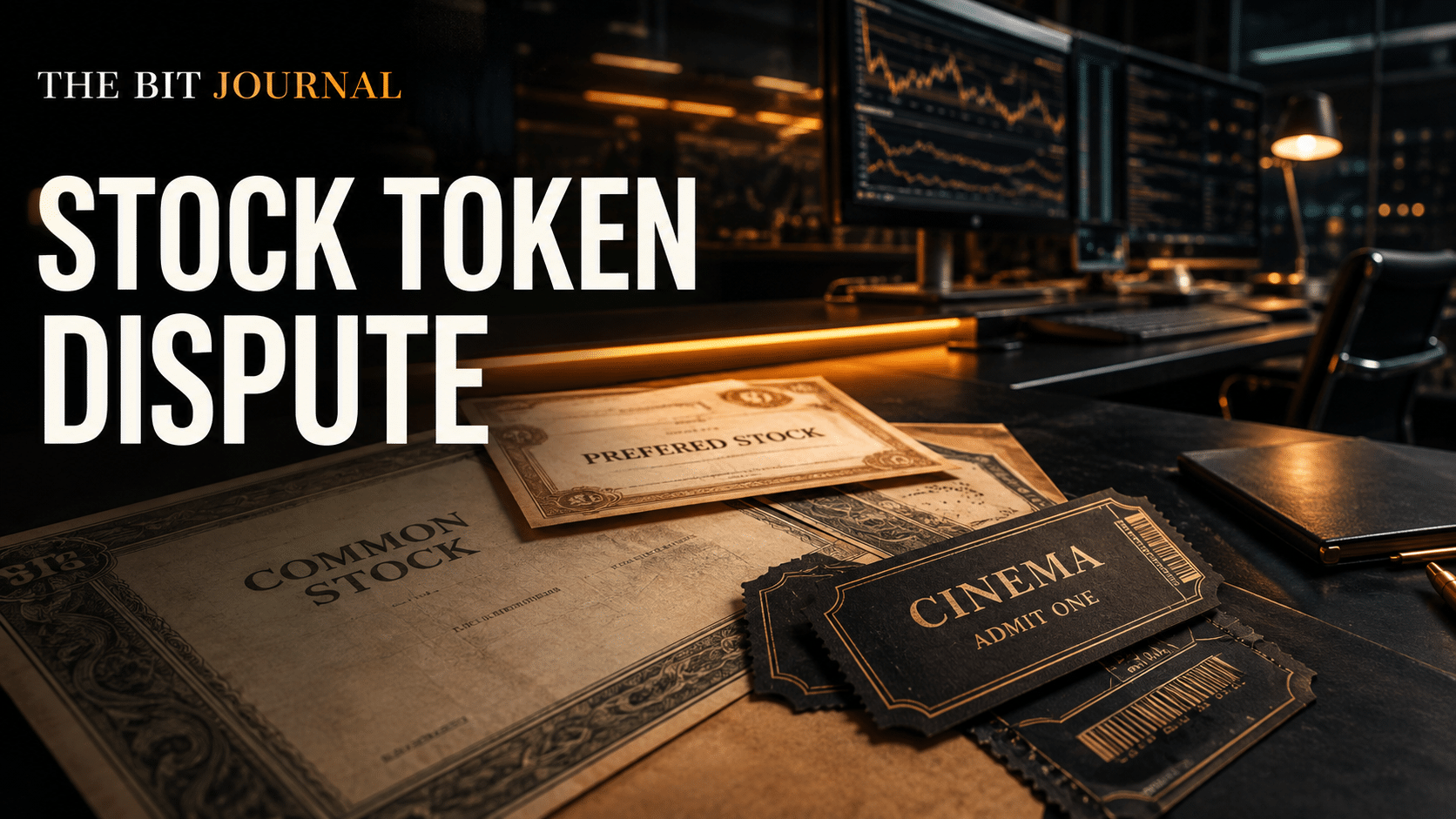
AI-generated conceptual image.
Aron said AMC would raise the matter with the SEC and threatened legal action. The public demand should not be confused with a filed lawsuit, an injunction or a regulator’s enforcement decision.
Robinhood is not blinking
Robinhood chief legal officer Dan Gallagher rejected the demand, and CEO Vlad Tenev publicly supported the product. Their response establishes the company’s position, but it does not resolve any legal challenge or determine how a regulator would assess it.
Robinhood’s own product disclosures describe Stock Tokens as tokenized debt securities issued by Robinhood Assets (Jersey) Limited. They provide economic exposure to referenced securities without giving holders ownership or voting rights in the underlying company. Product eligibility and geographic restrictions apply. A token linked to a share is therefore not interchangeable with the share itself.
Tokenization executives distinguish price exposure from ownership
Backpack CEO Armani Ferrante argued that the capital-formation concern had substance because demand for a token does not necessarily create an equivalent purchase of the underlying shares. He also highlighted limits on retail redemption into shares. That is a criticism of the structure, rather than evidence that every token trade causes a specific distortion in the stock market.

AI-generated conceptual image.
Archax CEO Graham Rodford and Fairmint CEO Joris Delanoue also drew a distinction between tokenizing equity ownership and issuing a product that tracks equity prices. Investors need to read the legal rights attached to the instrument, including the issuer, collateral arrangements and redemption terms, rather than relying on its ticker or marketing name.
Securitize CEO Carlos Domingo pointed to a large price discrepancy in one AMC-linked trading pair. An isolated pair should not be treated as the price of every AMC-linked token. Thin liquidity and limited arbitrage can allow quoted prices to diverge, a risk explained in TBJ’s guide to crypto liquidity.
Why this fight matters beyond AMC
The dispute illustrates why tokenization is not a single legal model. Some structures represent an interest in the underlying security; others provide contractual exposure. TBJ’s coverage of securities law and tokenized assets provides context for that distinction.

AI-generated conceptual image.
Share-price movements do not settle the dispute. The relevant evidence is the product documentation, any formal regulatory action and any legal proceedings that follow. Investors should not assume that a public accusation proves misconduct or that a company’s rebuttal eliminates risk.
Frequently asked questions
What are Robinhood’s stock tokens?
They are debt securities issued by Robinhood Assets (Jersey) Limited that provide exposure to referenced securities. They do not give the holder the underlying company’s voting or ownership rights.
Why is AMC’s CEO objecting?
Adam Aron argues the tokens use AMC’s name without consent, create a parallel synthetic market, deny investors shareholder rights and could interfere with the company’s ability to control its own capital raising. He has threatened legal action and plans to raise the issue with the SEC.
Are the tokens illegal?
The public exchange does not establish that. Legality depends on the relevant product, jurisdiction and applicable rules. No court decision is identified in this report resolving Aron’s objections.
How did Robinhood respond?
Dan Gallagher rejected the demand, and Vlad Tenev said the company stands behind Stock Tokens.
Do other tokenization firms support Aron?
Several executives, from Backpack, Archax, Fairmint and Securitize, said his concerns have substance, criticizing synthetic wrappers that diverge from underlying prices, lack redemption rights and carry tickers without issuer involvement.
How big is the tokenized stock market?
Estimates differ according to the date and what a dataset includes. Market size does not determine the legal rights attached to a particular token.
Risk disclosure
Stock tokens are complex instruments that may diverge from the price of the underlying shares, carry issuer and liquidity risk, and do not confer shareholder rights. The regulatory treatment of tokenized equities is unsettled in most jurisdictions, and ongoing disputes may change how these products are offered.
Disclaimer: This article is for informational purposes only and does not constitute investment, legal or tax advice. Digital assets are volatile and may be subject to regulatory restrictions in your jurisdiction. Always do your own research and consult a licensed professional before making financial decisions.