BitcoinWorld Australia Manufacturing PMI Beats Forecasts, Hits 51.5 in June The Australian manufacturing sector continued its expansion in June, with the S&P Global Manufacturing Purchasing M
BitcoinWorld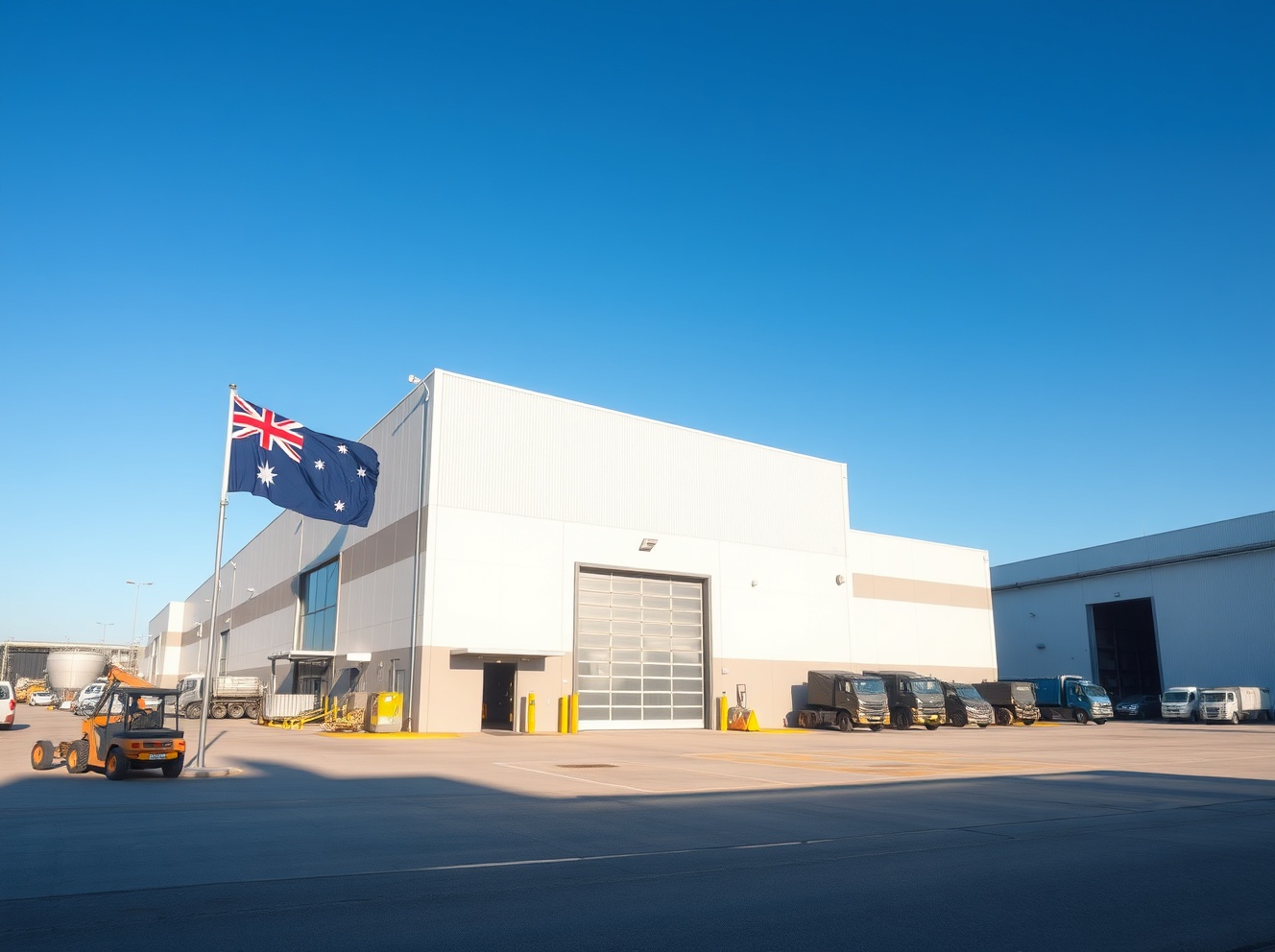 Australia Manufacturing PMI Beats Forecasts, Hits 51.5 in June
The Australian manufacturing sector continued its expansion in June, with the S&P Global Manufacturing Purchasing Managers’ Index (PMI) coming in at 51.5. This reading surpassed both the market consensus of 51.2 and the previous month’s figure, signaling a modest acceleration in business conditions for the nation’s goods-producing industries.
Understanding the PMI Reading
A PMI reading above 50.0 indicates expansion in the manufacturing sector, while a reading below 50 points to contraction. The June figure of 51.5, while not a dramatic surge, represents a steady and sustained improvement. It suggests that manufacturers are experiencing growth in new orders, production levels, and possibly employment, which are the core sub-indices that feed into the headline number.
This data point is closely watched by economists, investors, and policymakers as a real-time gauge of industrial health. It provides a more current snapshot than official government statistics, which often come with a longer lag. The slight beat against expectations can be interpreted as a positive, albeit cautious, signal for the broader Australian economy.
Implications for the Economy and Markets
The manufacturing sector, while not as dominant in Australia as mining or services, remains a crucial component of the national economy. It is a significant source of high-value employment and a key driver of export earnings, particularly in advanced manufacturing and niche industrial products.
A consistent expansion in manufacturing can have several positive knock-on effects:
- Employment: Sustained growth often leads to increased hiring to meet demand.
- Investment: Positive sentiment can encourage capital expenditure on new machinery and facilities.
- Supply Chains: A healthy sector contributes to more resilient domestic supply chains, reducing reliance on imports.
- Inflation: While strong demand can fuel price pressures, improved productivity from expansion can help keep costs in check.
For financial markets, the better-than-expected PMI data provides a mild tailwind for the Australian dollar and could influence expectations regarding the Reserve Bank of Australia’s (RBA) monetary policy path. A resilient economy gives the central bank more room to hold rates steady or potentially consider future tightening if inflation remains sticky.
Context and Outlook
This positive reading comes amid a complex global backdrop. While some major economies are showing signs of slowing down, Australia’s manufacturing sector appears to be holding its ground. Factors such as robust demand from key trading partners, government infrastructure spending, and a competitive currency may be providing support.
However, challenges remain. Businesses continue to navigate elevated input costs, supply chain fragility, and a tight labor market. The coming months will be crucial to see if this expansion can be sustained or if external headwinds will begin to dampen activity. The final PMI reading, which incorporates more complete survey data, will be released in early July and will provide further clarity.
Conclusion
The June S&P Global Manufacturing PMI reading of 51.5 is a constructive data point for the Australian economy. It shows that the manufacturing sector is expanding at a slightly faster pace than anticipated, contributing to overall economic resilience. While not a game-changer on its own, the data reinforces a narrative of steady, if unspectacular, growth in a key sector, providing a measure of confidence for businesses and investors alike.
FAQs
Q1: What is the S&P Global Manufacturing PMI?The S&P Global Manufacturing Purchasing Managers’ Index (PMI) is a monthly economic indicator derived from surveys of purchasing managers in the manufacturing sector. It measures changes in business conditions, including new orders, output, employment, and supplier delivery times.
Q2: Why is a PMI of 51.5 significant?A PMI reading above 50 indicates expansion. A reading of 51.5 means the manufacturing sector is growing, and it was higher than the 51.2 that economists had predicted. This suggests the sector’s health is slightly better than expected.
Q3: How does the PMI affect the Australian dollar and interest rates?A strong PMI can be positive for the Australian dollar as it signals a healthy economy. For the Reserve Bank of Australia (RBA), a consistently strong manufacturing sector could be a factor in their decision to hold or raise interest rates, as it suggests the economy can withstand tighter monetary conditions.
This post Australia Manufacturing PMI Beats Forecasts, Hits 51.5 in June first appeared on BitcoinWorld.