Bitget has integrated TradingView into its commodity CFD platform. The update combines professional charting, market monitoring and order execution within one screen. It also gives practical
Bitget has integrated TradingView into its commodity CFD platform. The update combines professional charting, market monitoring and order execution within one screen. It also gives practical substance to the exchange’s ambition to connect crypto and traditional markets through a unified trading environment.
In brief
- Bitget has embedded TradingView into its commodity CFD platform.
- Users can analyze several markets and execute positions from one screen.
- The update gives greater practical depth to Bitget’s Universal Exchange model.
Bitget closes the gap between market analysis and execution
Bitget is removing a familiar obstacle for active traders. Many users study commodity prices on an external charting service before returning to their exchange to open a position. The new setup eliminates that detour as Bitget expands a CFD business already targeting $10 billion in daily volume.
TradingView now serves as the default charting interface for Bitget CFD. Users can examine live market movements, apply technical indicators and place orders without leaving the trading page. This creates a shorter path between identifying an opportunity and acting on it.
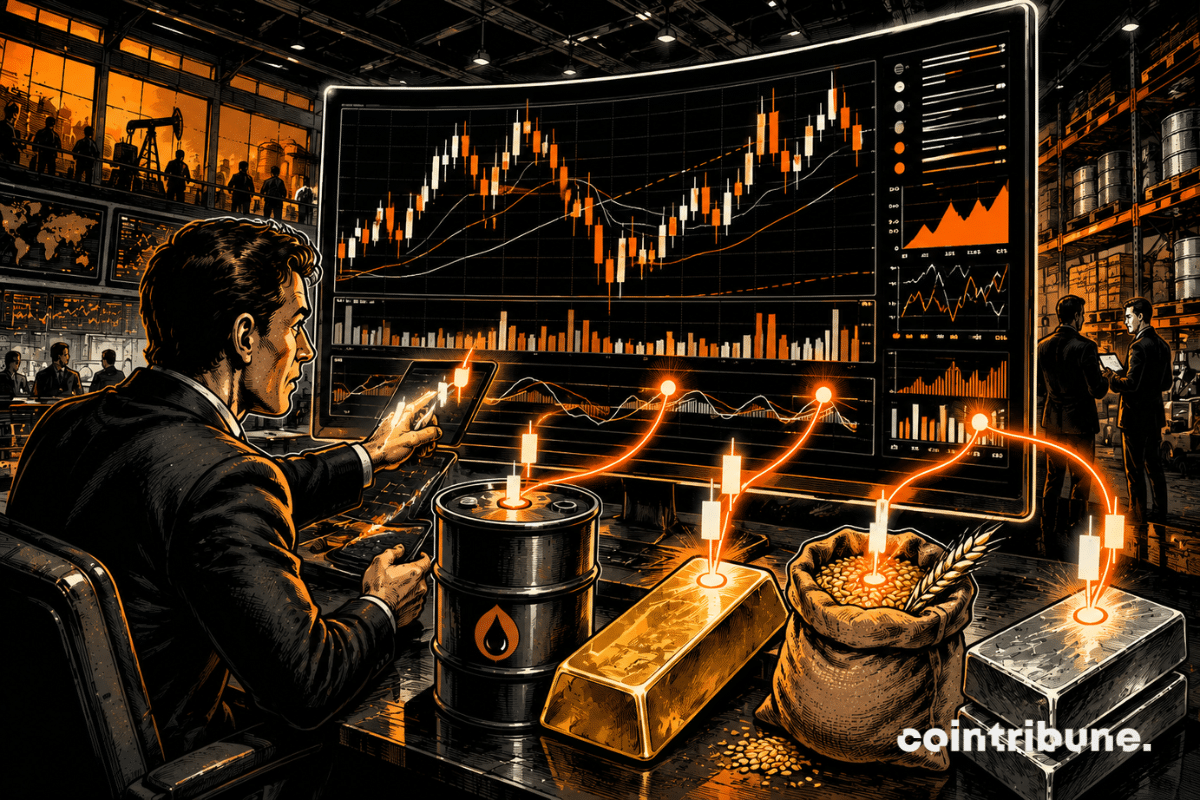
The change becomes especially useful in commodity markets. Gold, oil and other instruments can react sharply to inflation figures, central-bank decisions or geopolitical developments. When prices move quickly, switching platforms may introduce delays or leave traders executing a position under conditions that no longer match their original analysis.
Bringing both functions together does not remove volatility or guarantee better returns. It reduces operational friction. Users can compare their analysis with the available execution price in real time, rather than transferring levels manually between separate tools.
Your 1st cryptos with BitgetThis link uses an affiliate program.The new interface includes customizable layouts, split-screen monitoring, advanced drawing functions and a large collection of technical indicators. Traders can track several instruments while keeping their order controls visible. This is particularly relevant for users managing positions across commodities, currencies and global indices during the same session.
Split-screen monitoring adds more than visual convenience. A trader following gold may also need to watch the dollar, bond yields or a major stock index. Viewing related markets together can provide context that a single isolated chart may miss.
Bitget CFD settles positions through a USDT-based account. Crypto-native users can therefore access traditional market exposure without managing several fiat balances or moving capital between unrelated platforms. The TradingView integration adds a familiar analytical layer to that structure.
This enhancement comes as Bitget gains momentum beyond traditional crypto products. According to figures previously released by the exchange, daily CFD trading volume climbed from $6 billion in March to $8 billion in May, with gold contributing significantly to that growth. This growth was examined when Bitget’s CFD activity accelerated during renewed demand for gold.
CFDs remain complex derivatives. Traders receive exposure to price movements without owning the underlying commodity. Depending on the position, they may face leverage, funding charges and liquidation risk. Better charts improve visibility, but they do not make these products predictable.
The upgrade strengthens Bitget’s Universal Exchange strategy
TradingView’s integration also reflects a broader shift in Bitget’s business model, as the company seeks to give users access to crypto assets, commodities, foreign exchange, indices and tokenized securities within a single ecosystem. That objective requires more than an extensive list of instruments. Each market must also fit into a coherent workflow.
This matters because modern traders increasingly move between asset classes. A user may monitor Bitcoin, seek defensive exposure through gold and follow an equity index during the same period. A platform can offer all three products and still feel fragmented when analysis, collateral and execution operate through disconnected systems.
Bitget is trying to reduce that complexity. Its USDT-settled CFD account creates a common capital layer, while TradingView supplies the analytical tools. The result is closer to a multi-market terminal than a collection of unrelated trading pages.
The main challenge will be balancing accessibility with risk awareness. A clean interface can make leveraged products appear simpler than they are. Bitget must therefore support its technical expansion with clear education about pricing, margin and liquidation. Its TradFi 101 initiative for the Universal Exchange era points in that direction. Ultimately, TradingView gives Bitget a stronger commodity CFD product, but informed execution will remain more important than faster execution.