Nethermind completed 2,302 tests while processing 570.7 billion gas. Sepolia deployment is tentatively scheduled for October 6 at 13:53 UTC. Ether needs $2,570 breakout confirmation to target
- Nethermind completed 2,302 tests while processing 570.7 billion gas.
- Sepolia deployment is tentatively scheduled for October 6 at 13:53 UTC.
- Ether needs $2,570 breakout confirmation to target $2,700 and $3,000.
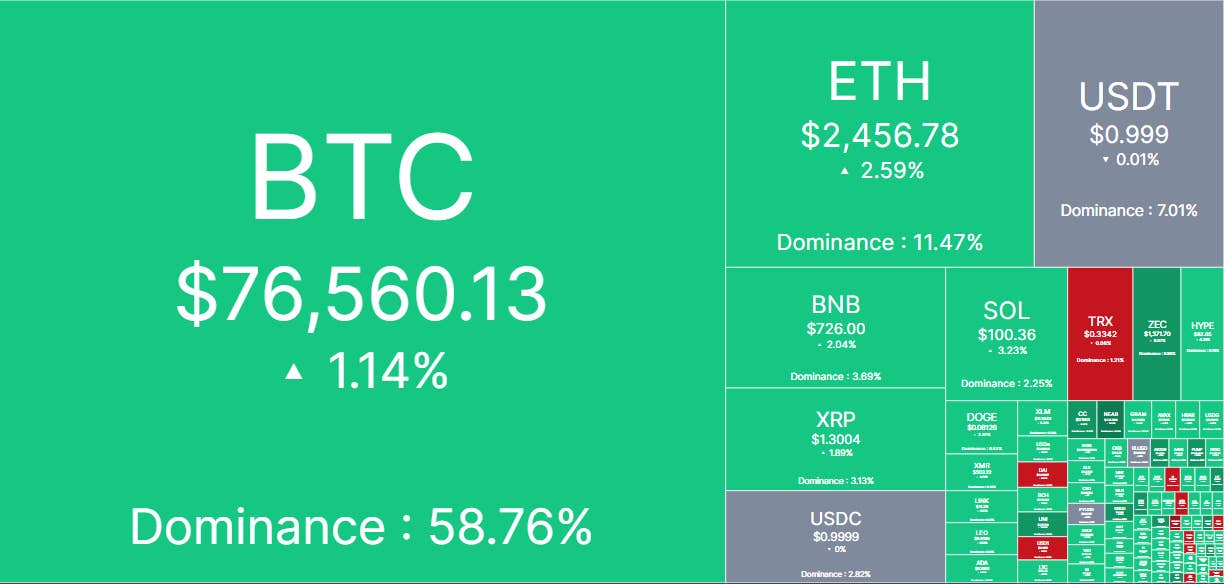
The Glamsterdam upgrade completed a private rehearsal while Ethereum continued confirming blocks under new construction rules. Developers tentatively target October 6 at 13:53 UTC for a Sepolia deployment. Ether meanwhile held inside its four-hour channel during volatile trading, with $2,450 for weekly support and $2,570 as the next breakout threshold.
Glamsterdam Upgrade Advances Toward the Sepolia Testnet
Nethermind completed 2,302 execution tests in three minutes and 15 seconds. The client processed 570.7 billion gas, averaging 2.9 billion gas each second. The benchmark measured software performance, not full-network throughput.
Block-level access lists under EIP-7928 tell clients which accounts and stored data each block will use. This advance notice supports parallel transaction processing and reduces conflicts. Ethereum currently handles much of this work sequentially.
The Glamsterdam upgrade raised its test gas limit from 60 million to 200 million. That capacity could fit more payments, token swaps, and rollup data into each block. It may also reduce fee spikes when demand surges.
However, larger blocks increase hardware and bandwidth demands. Developers extended block-data distribution time from about two seconds to nine seconds. The 200 million ceiling remains a test setting, not a mainnet commitment.
Ethereum Scaling Gains Bring New Validator Tradeoffs
EIP-7732 adds enshrined proposer-builder separation within Gloas, the consensus package. It moves the builder and validator handoff into Ethereum rules, reducing reliance on external MEV relays.
The Glamsterdam upgrade combines this change with Amsterdam execution improvements. The package aims to increase Layer 1 capacity while supporting Arbitrum, Optimism, Base, and rollups.
Fee-model adjustments could reduce costs for common operations by an estimated 78.6%. That projection depends on final settings and stable client performance.
Previous Devnet-11 cycles found bugs and finality issues, prompting delays. Platåberget also tested compatibility across independent Ethereum clients. The Glamsterdam upgrade must remain stable before Sepolia receives the fork.
If Sepolia succeeds, developers will assess a Q4 2026 mainnet activation. No final mainnet date has been committed. Ether needs a weekly close above $2,450 to limit downside risk. A volume-backed move above $2,570 could expose $2,700 and then $3,000.
Disclaimer: This article is for informational purposes only and does not constitute financial advice. CoinCryptoNewz is not responsible for any losses incurred. Readers should do their own research before making financial decisions.
<p>The post Ethereum Eyes October Sepolia Test After Glamsterdam Success first appeared on Coin Crypto Newz.</p>