BitcoinWorld First Vessel Strike Near Hormuz in Ten Days Raises Shipping Risk A vessel was struck near the Strait of Hormuz on [Date], marking the first such attack in ten days and raising re
BitcoinWorld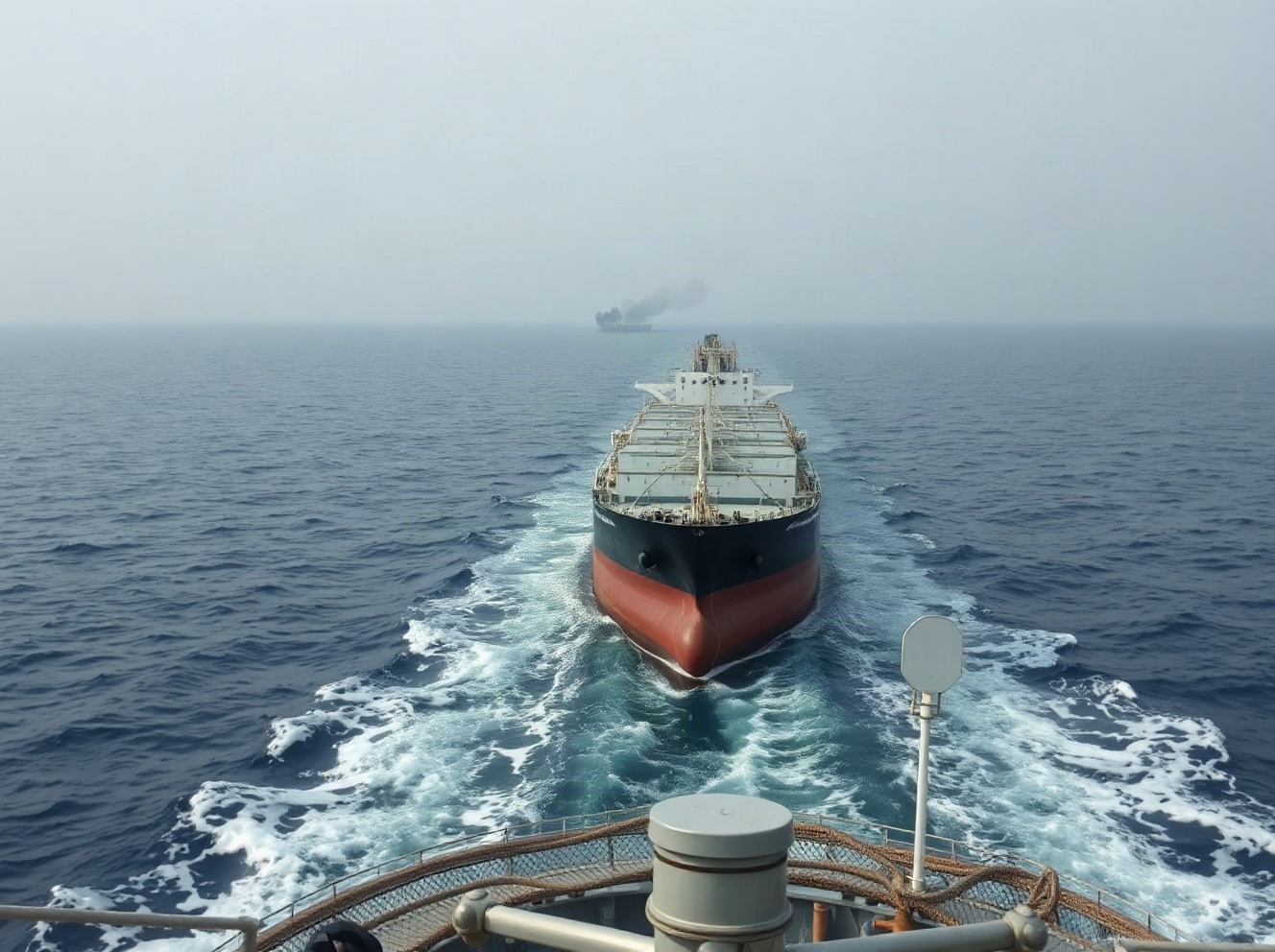 First Vessel Strike Near Hormuz in Ten Days Raises Shipping Risk
A vessel was struck near the Strait of Hormuz on [Date], marking the first such attack in ten days and raising renewed concerns for shipping security in one of the world’s most critical oil transit chokepoints. The incident, which occurred in waters near the strait, has prompted caution among tanker operators and heightened vigilance from naval forces in the region.
The strike, which was reported by maritime security firms, involved a commercial vessel transiting the area. No group has immediately claimed responsibility, and the extent of damage or casualties remains unclear as of this report. The last reported attack on a vessel in the vicinity was ten days prior, indicating a possible lull that has now been broken.
Following the incident, naval patrols in the region have been reinforced, and shipping companies are being advised to review their security protocols. The strait, through which roughly 20% of global oil consumption passes, has been a flashpoint for maritime tensions in recent years, with periodic seizures and attacks linked to regional geopolitical rivalries.
Impact on Shipping and Oil Markets
The renewed strike is likely to increase insurance premiums for vessels transiting the area, a cost that could be passed on to consumers through higher oil prices. While the immediate impact on oil markets may be muted, sustained disruptions could threaten supply chains and global energy security.
Analysts note that even isolated incidents can have outsized effects on market sentiment, given the strategic importance of the strait. The shipping industry, already navigating challenges such as crew shortages and environmental regulations, now faces an additional layer of uncertainty.
Why This Matters
For readers, the strike is a reminder of the fragility of global trade routes and the far-reaching consequences of regional conflicts. The Strait of Hormuz is not just a geopolitical hotspot; it is a lifeline for energy supplies to Asia, Europe, and beyond. Any sustained disruption can affect fuel prices, shipping costs, and the availability of goods worldwide.
Conclusion
The first vessel strike near Hormuz in ten days underscores the persistent security challenges in the region. While the full details are still emerging, the incident serves as a critical reminder of the need for continued vigilance and international cooperation to ensure the safe passage of commercial shipping. The situation remains fluid, and further developments are expected.
FAQs
Q1: What happened in the latest Hormuz vessel strike? A vessel was struck near the Strait of Hormuz, marking the first such incident in ten days. The details of the attack, including the vessel’s identity and extent of damage, are still emerging.
Q2: Why is the Strait of Hormuz important? The strait is a vital chokepoint through which a significant portion of global oil shipments pass. Disruptions here can impact global energy prices and supply chains.
Q3: How could this affect oil prices? Renewed security threats may lead to higher insurance premiums for shipping, which could translate into higher oil prices. However, the immediate impact may be limited unless there are sustained disruptions.
This post First Vessel Strike Near Hormuz in Ten Days Raises Shipping Risk first appeared on BitcoinWorld.