Four and a half months later, here is what $10,000 placed in each of five assets that Friday afternoon would be worth today. Two of the five made money, and neither of them is the one that wa
Four and a half months later, here is what $10,000 placed in each of five assets that Friday afternoon would be worth today.
Two of the five made money, and neither of them is the one that was supposed to.
For context, this is how this was calculated: Prices are closing levels on Friday, February 27, 2026, the last trading session before the attack, compared with the most recent close. Oil (WTI), gold, silver and copper are front-month futures, which last settled on Friday, July 10. Bitcoin trades continuously and is priced as of Sunday, July 12.
Oil: $10,655
West Texas Intermediate crude closed at $67.02 a barrel on February 27. It last settled at $71.41, a gain of 6.6%. A $10,000 position is now worth $10,655, a profit of $655.
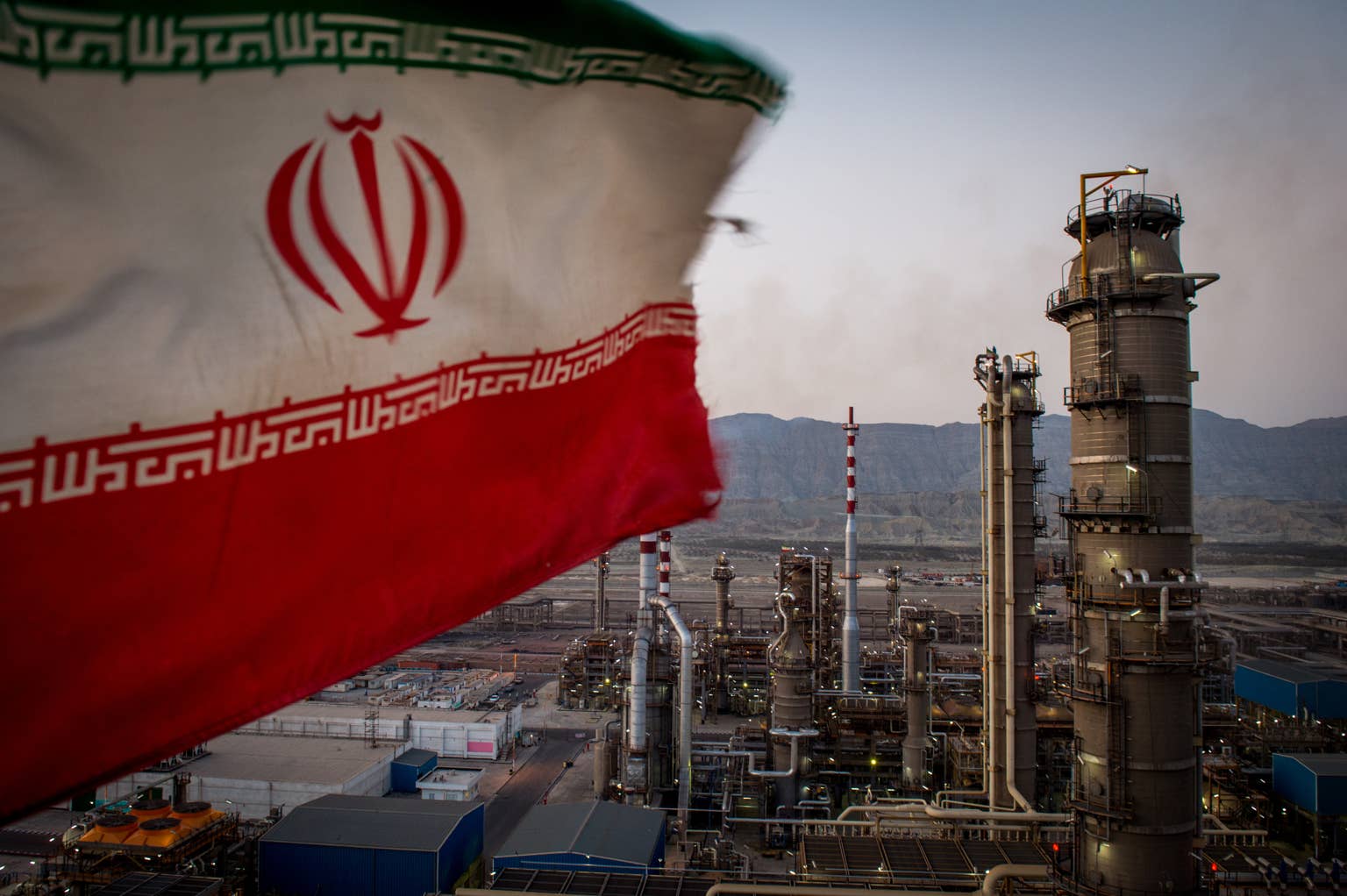
Iran oil
Getty Images
Iran moved to close the Strait of Hormuz, and crude went nearly vertical. WTI peaked at $112.95 on April 7, up 68.5% from the day before the war. At that moment, a $10,000 position was worth $16,853.
It is now worth $10,655. The trade gave back $6,198 of a $6,853 profit, roughly 90% of the gain, as an interim deal to end the fighting took shape and supply fears eased, even as US strikes on Iran continued into July.
Brent crude followed the same path, peaking at $118.35 on March 31 and settling back to $76.01. A $10,000 position in Brent is worth $10,487.
The war trade in oil worked. It worked for about six weeks.
Trending on TheStreet Roundtable
Copper: $10,462
Copper closed at $6.0045 a pound on February 27 and last traded at $6.2820, a gain of 4.6%. A $10,000 position is now worth $10,462, a profit of $462.
Copper is the only asset here that rose for reasons unrelated to the war. It is being driven by artificial intelligence and electrification. Data centers alone are expected to consume around 475,000 tons of copper in 2026, up from about 110,000 tons in 2025, more than a fourfold rise in a single year. Global demand is projected to grow from 28 million tons in 2025 to 42 million tons by 2040, and the market has moved from an expected surplus into a deficit.
Copper went up because the world cannot dig it out of the ground fast enough. The war had little to do with it, which is precisely why the gain has held.
Bitcoin: $9,707
Bitcoin closed at $65,881.80 on February 27 and trades at $63,951.98 now, a fall of 2.9%. A $10,000 position is worth $9,707, a loss of $293.
Bitcoin is regularly described as digital gold, an asset built to perform when states go to war and currencies wobble. It did not do that. It also did not break. Across four and a half months containing a shooting war, the closure of the world's most important oil chokepoint and the death of a head of state, Bitcoin moved less than 3%.
In relative terms that is worth stating plainly: Bitcoin lost far less than gold did. For an asset routinely dismissed as too volatile to hedge anything, it was the steadiest thing on this list apart from the two that rose.
Gold: $7,865
Gold closed at $5,230.50 an ounce on February 27. It last settled at $4,113.70, down 21.4%. A $10,000 position is now worth $7,865, a loss of $2,135.
This is the result that should stop people, and the explanation is that the war was already in the price.
Gold had spent months climbing on geopolitical tension, expectations of Federal Reserve rate cuts and heavy inflows into precious metals ETFs. It traded above $5,500 an ounce at its peak. By the time the bombs landed on February 28, everyone who wanted protection had already bought it.
Then the macro turned. President Trump named Kevin Warsh as his pick for Federal Reserve chair, and markets read Warsh as less willing to cut rates than the alternatives. The dollar strengthened. Rate-cut expectations were pushed further out. Profit-taking, a stronger dollar and a repricing of Fed policy did more damage to gold than a Middle East war did good.
Silver: $6,492
Silver closed at $92.68 an ounce on February 27. It last settled at $60.17, a fall of 35.1%. A $10,000 position is now worth $6,492, a loss of $3,508.
February 27 was, as it turned out, silver's high. The day before the war began was the best day to sell it.
Silver fell harder than gold for a structural reason. It is the high-beta version of the same trade, rising further than gold in a metals rally and falling further when the rally breaks. It had already demonstrated that in January, when it dropped around 13% in a single session. When the same forces that hit gold arrived, silver took them at roughly one and a half times the magnitude.
What the numbers say
An investor who put $10,000 into each of the five on the eve of the war committed $50,000. That portfolio is worth $45,181 today, a loss of $4,819, or 9.6%.