BitcoinWorld In the Weights: A New AI-Centric Vanity Search Measures How Well LLMs Remember You Anyone who has Googled themselves recently knows that the experience does not quite hit the way
BitcoinWorld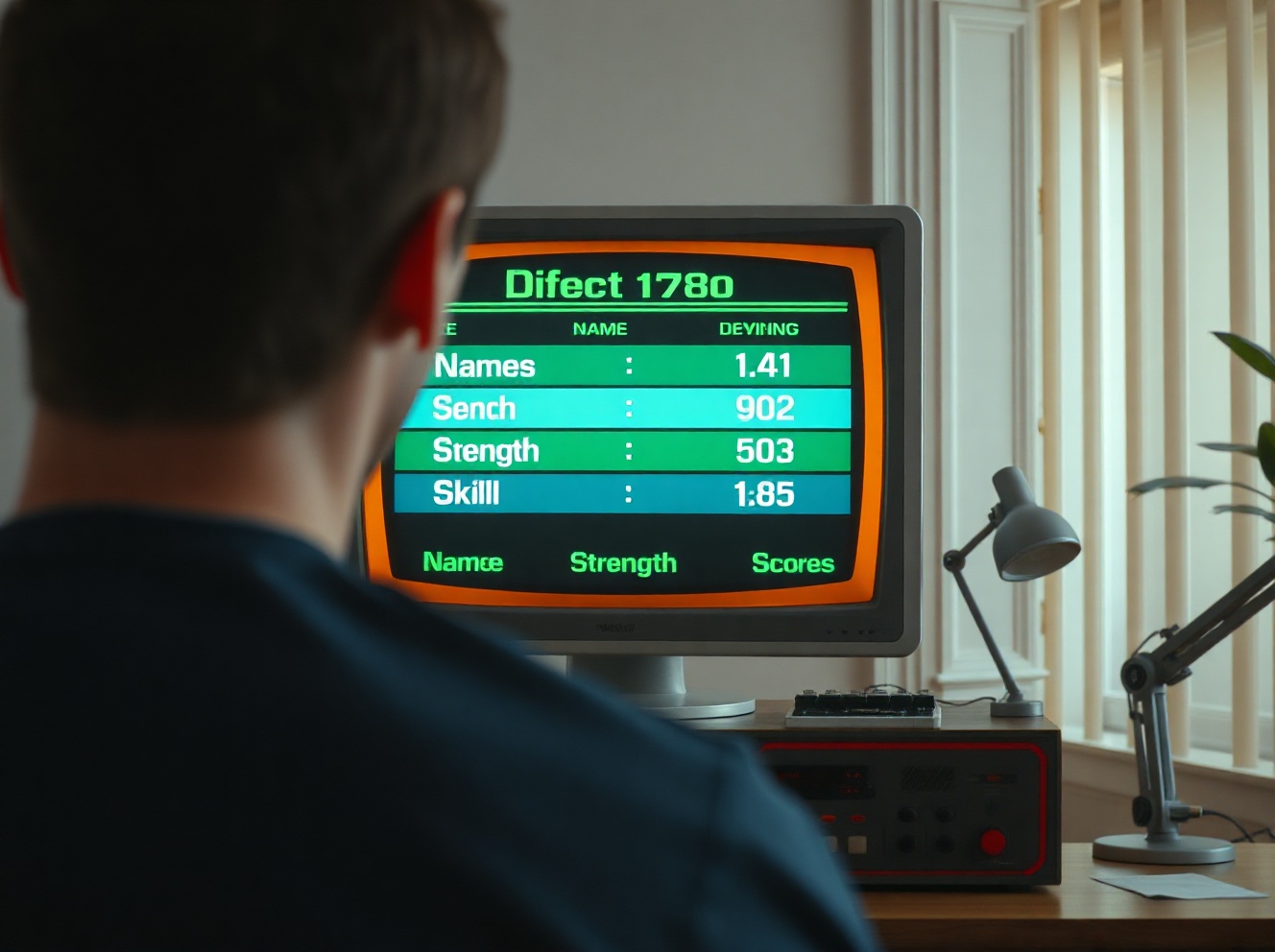 In the Weights: A New AI-Centric Vanity Search Measures How Well LLMs Remember You
Anyone who has Googled themselves recently knows that the experience does not quite hit the way it used to. Beyond the well-documented changes to Google Search itself, there is an inescapable feeling that web search is no longer the canonical source of information it once was. More people are learning about public figures, colleagues, and even themselves from chatbots and large language models (LLMs). Thomas Dimson and Joey Flynn had a similar realization, leading them to create In the Weights, a new website that functions as an AI-centric vanity search.
What is In the Weights?
The name refers to the numerical parameters that shape an AI model’s training and output. The website aims to measure how well a model can recall someone without using external tools like web search. As the site explains, being in the weights means your existence was deemed important enough to be encoded into the process of creating superhuman artificial intelligence.
To achieve this, In the Weights queries multiple models, including Grok, Gemini, various versions of GPT, Claude, Llama, and several lesser-known models. It asks each model a question similar to, Who is [name]? Give up to 10 results, each with a short description and confidence. The system then clusters similar descriptions together and assigns a strength score.
For example, this humble tech blogger received a strength score of 641, placing them in the top 6% of names. However, multiple colleagues scored even higher, and the leaderboard shifts frequently. As of this writing, Home Alone star Macaulay Culkin holds the top slot with a strength score of 988, followed by opera singer Luciano Pavarotti. The results also show which models returned answers for a given name and highlight potential hallucinations. For instance, GPT-5.4 Mini suggested that one editor’s name is an ambiguous form that could refer to multiple people with the same initials.
Why Build an AI Vanity Search?
Dimson told Bitcoin World via email that he and Flynn were looking to get the creative juices flowing again after leaving OpenAI. They had joined OpenAI through the acquisition of their design startup, Global Illumination. Dimson said he was thinking about how Google vanity searches are the wrong objective in 2026 as more traffic moves to LLMs, and about the fact that so many lives are encoded somehow in a bunch of floating point numbers inside the AI brain.
The direction of the site was sealed by a tongue-in-cheek blog post riffing on AI weights and Terry Bisson’s classic short story, They’re Made Out of Meat. Dimson noted that the reception has been insane so far. We thought this would be a mild curiosity, but it seems like it has struck a nerve of wanting to see if you live forever in the super intelligence. The comparison factor does not hurt either.
What Makes It Engaging?
While being remembered by a chatbot is not necessarily a guaranteed ticket to immortality, the results are both intriguing and jealousy-inducing, especially since they are codified into an easy-to-compare score. AI critic Anthony Moser scoffed that this is literally the same as asking 13 chatbots to tell you about yourself. Still, the site’s cute, Nintendo-inspired retro design adds to its charm.
Dimson plans to dig further into why different models in the same series return different results, which models are biased toward different types of people, and which people should have a Wikipedia article but do not.
Conclusion
In the Weights offers a novel and entertaining way to see how LLMs perceive individuals in an era where AI-generated answers increasingly shape public knowledge. Whether it becomes a lasting tool or a passing curiosity, it highlights a growing cultural shift: the desire to know if you exist inside the machine.
FAQs
Q1: What is In the Weights?A: It is a website that queries multiple AI models to measure how well they recall a given person without using web search, assigning a strength score based on the results.
Q2: Who created In the Weights?A: It was created by Thomas Dimson and Joey Flynn, former OpenAI employees who joined through the acquisition of their design startup Global Illumination.
Q3: How does the scoring work?A: The site asks models like GPT, Claude, and Gemini to describe a person, then clusters similar descriptions and assigns a strength score. Higher scores indicate stronger recall across multiple models.
Frequently Asked Questions
How does In the Weights measure how well an AI remembers someone?
It queries multiple LLMs like GPT, Claude, and Gemini with a prompt like ‘Who is [name]?’, then clusters similar descriptions and assigns a strength score based on how consistently and confidently the models recall that person.
What does ‘being in the weights’ mean?
It means your existence was deemed important enough to be encoded into the numerical parameters (weights) of an AI model during training, so the model can recall you without using external tools like web search.
Can I check my own name on In the Weights?
Yes, the site is designed as a vanity search where anyone can enter a name to see how well multiple AI models remember them and get a strength score ranking.
What does a high strength score indicate?
A high strength score, like Macaulay Culkin’s 988, means that multiple AI models consistently and confidently recall the person with high agreement, placing them near the top of the leaderboard.
Does the site show if an AI model is hallucinating about a name?
Yes, the results highlight potential hallucinations, such as when GPT-5.4 Mini suggested a name could refer to multiple people with the same initials, indicating uncertainty or error.
This post In the Weights: A New AI-Centric Vanity Search Measures How Well LLMs Remember You first appeared on BitcoinWorld.