BitcoinWorld Iran Rejects Any Second Corridor Through Strait of Hormuz, Citing Security and Sovereignty Iran has firmly rejected any proposal to establish a second corridor through the Strait
BitcoinWorld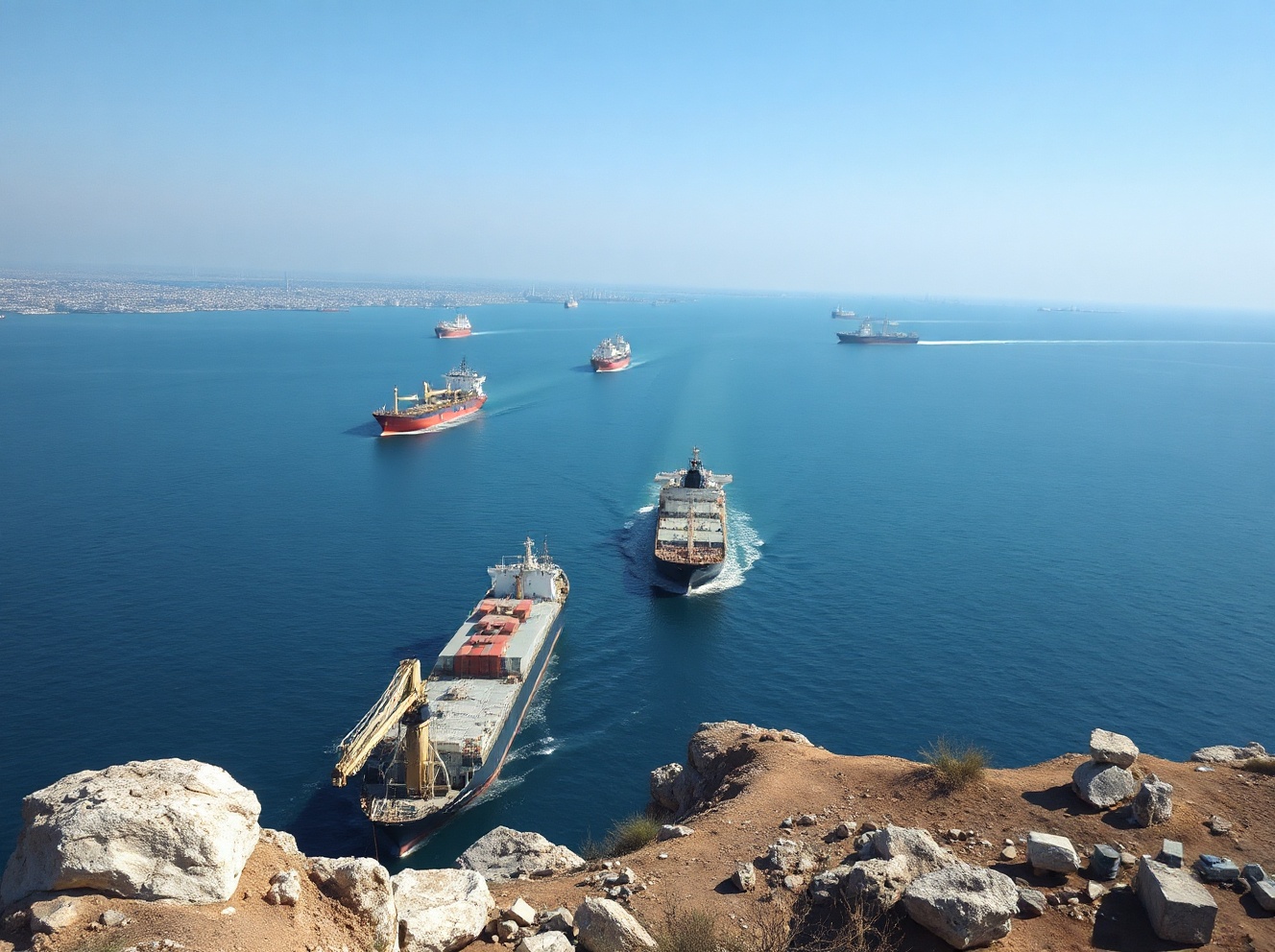 Iran Rejects Any Second Corridor Through Strait of Hormuz, Citing Security and Sovereignty
Iran has firmly rejected any proposal to establish a second corridor through the Strait of Hormuz, a senior Iranian military official said on [date of report], underscoring Tehran’s insistence on maintaining sole control over the strategic waterway through which about 20% of global oil passes. The statement comes amid renewed international discussions about alternative shipping routes to de-risk the region.
Why Iran Opposes a Second Corridor
Iranian authorities argue that the Strait of Hormuz is already a secure and internationally recognized passage, and that any additional corridor would infringe on Iranian territorial waters and sovereignty. The rejection aligns with Tehran’s longstanding position that it alone manages the strait’s security, a stance that has been a cornerstone of its maritime policy for decades. The proposal for a second corridor has been floated in various forms by Western and Gulf nations seeking to reduce dependence on the strait, which Iran has threatened to close in past disputes over its nuclear program.
Geopolitical and Economic Implications
The strait is a chokepoint for crude oil and liquefied natural gas exports from Saudi Arabia, Iraq, the UAE, Kuwait, and Qatar. Any disruption or perceived instability in the strait has immediate effects on global energy prices and shipping insurance rates. Iran’s rejection adds to tensions in the region, which has seen a series of incidents involving tankers and naval forces in recent years. While the actual likelihood of Iran closing the strait remains low, the rhetoric itself can sway market sentiment, as seen in previous episodes of elevated oil price volatility.
Impact on Global Energy Security
For energy markets, the news reinforces the persistent risk premium associated with Gulf oil supplies. Analysts note that while alternative pipelines and overland routes exist, they have limited spare capacity and cannot fully replace the strait in the short term. This makes the Strait of Hormuz a critical point of focus for energy security discussions among major consumers, including China, India, and the United States.
Regional Reactions and Future Outlook
Gulf Arab states, which rely heavily on the strait for their exports, have generally avoided public confrontation with Iran over this issue, preferring to pursue diplomatic channels. The United States and its allies have increased naval patrols in the area, but they have not officially endorsed the idea of a second corridor, recognizing the legal and operational complexities. Iran’s rejection is unlikely to be the final word, as international pressure for alternative routes may continue, but it sets a clear red line for Tehran.
Conclusion
Iran’s categorical rejection of a second corridor through the Strait of Hormuz is a significant geopolitical statement with direct implications for global energy markets and regional stability. While the proposal is not currently an active policy, Tehran’s stance underscores its determination to control the strait, a position that will continue to influence oil prices and international diplomacy in the Middle East.
FAQs
Q1: What is the Strait of Hormuz and why is it important?The Strait of Hormuz is a narrow waterway between Iran and Oman, connecting the Persian Gulf with the Gulf of Oman and the Arabian Sea. It is the world’s most important oil chokepoint, with roughly 20% of global oil consumption passing through it daily.
Q2: Has Iran ever threatened to close the Strait of Hormuz?Yes, Iran has periodically threatened to close the strait in response to international sanctions or military actions. However, it has never followed through, as such a move would trigger a major international crisis and likely lead to military confrontation.
Q3: Are there any existing alternatives to the Strait of Hormuz?There are several pipelines that bypass the strait, including the Saudi East-West Pipeline and the UAE’s Habshan-Fujairah Pipeline, but their capacity is limited. No alternative route can fully replace the strait in the near term.
This post Iran Rejects Any Second Corridor Through Strait of Hormuz, Citing Security and Sovereignty first appeared on BitcoinWorld.