BitcoinWorld Iran’s IRGC Warns Cooperation with ‘Aggressor Enemy’ in Hormuz Will Delay Waterway Reopening The Islamic Revolutionary Guard Corps (IRGC) of Iran has issued a stark warning, stat
BitcoinWorld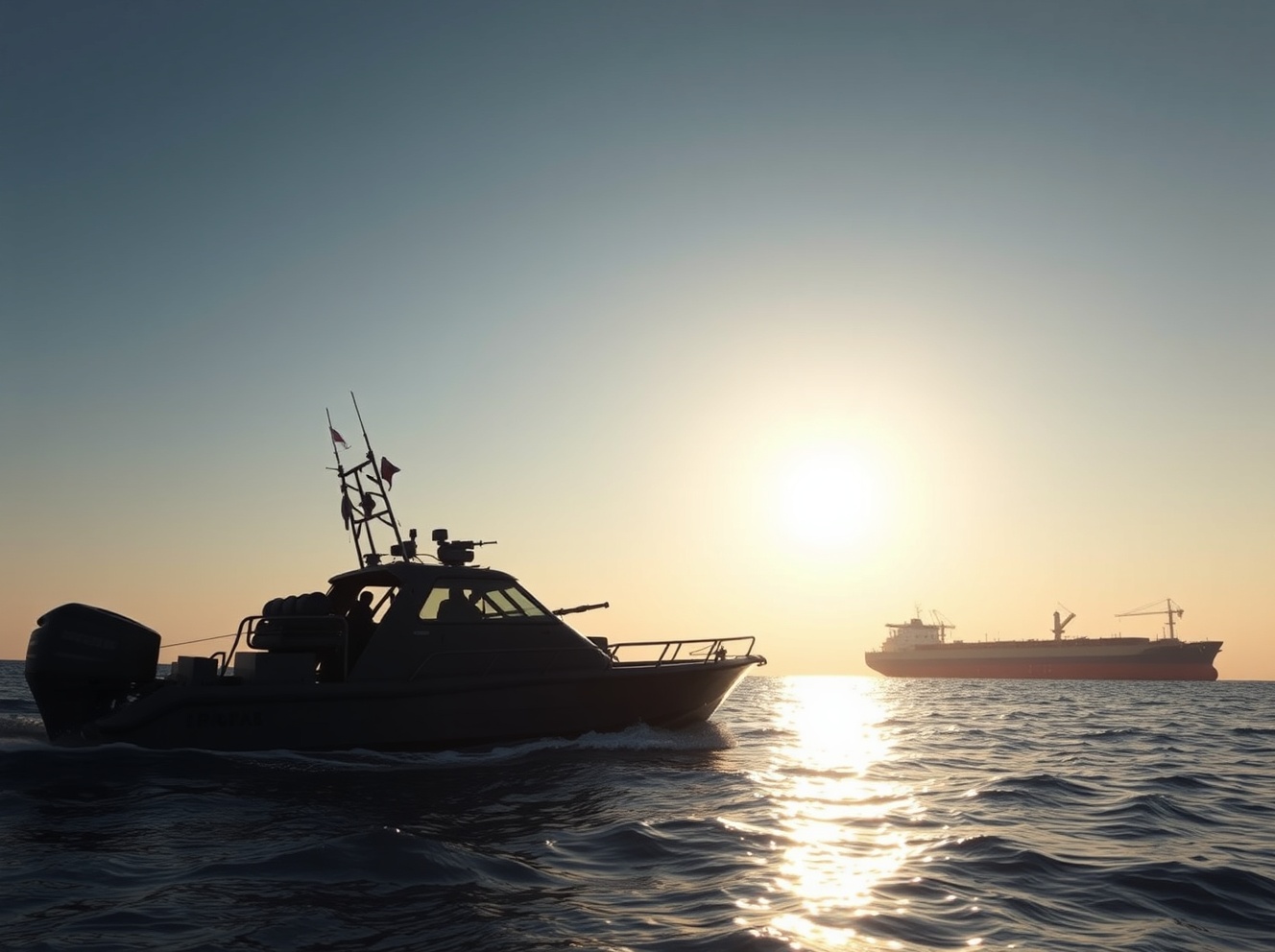 Iran’s IRGC Warns Cooperation with ‘Aggressor Enemy’ in Hormuz Will Delay Waterway Reopening
The Islamic Revolutionary Guard Corps (IRGC) of Iran has issued a stark warning, stating that any cooperation with what it terms an ‘aggressor enemy’ in the Strait of Hormuz will significantly delay the reopening of the strategic waterway. The statement, released through official IRGC channels, underscores the heightened geopolitical tensions in one of the world’s most critical maritime chokepoints.
Context of the Warning
The Strait of Hormuz, a narrow passage between the Persian Gulf and the Gulf of Oman, is a vital artery for global oil shipments, with approximately 20% of the world’s petroleum passing through it daily. The IRGC’s latest remarks come amid ongoing disputes over maritime security, regional influence, and the status of international shipping lanes. The ‘aggressor enemy’ reference is widely interpreted as aimed at the United States and its regional allies, including Saudi Arabia and the United Arab Emirates, with whom Iran has had strained relations for decades.
Implications for Global Trade and Energy Markets
The threat of a delayed reopening carries immediate implications for global energy markets. Any disruption or prolonged closure of the Strait of Hormuz could lead to spikes in oil prices, increased shipping insurance costs, and rerouting of tankers, which would add days to transit times. Analysts note that the IRGC’s statement may be a negotiating tactic, but it also reflects a hardened stance following recent incidents, including the seizure of commercial vessels by Iranian forces in 2023 and 2024. The international community, particularly the United States and European Union, has called for de-escalation and adherence to international maritime law.
Regional Reactions and Diplomatic Efforts
Regional powers have responded cautiously. Saudi Arabia and the UAE have reiterated their commitment to ensuring freedom of navigation, while Oman and Iraq have offered to mediate. The IRGC’s warning complicates ongoing diplomatic efforts, including those led by the United Nations and the Gulf Cooperation Council, to establish a framework for maritime security in the region. Iran has historically used its control over the Strait as leverage in negotiations, but this latest statement suggests a more confrontational posture.
Conclusion
The IRGC’s declaration that cooperation with an ‘aggressor enemy’ will delay the Strait of Hormuz’s reopening represents a significant escalation in rhetoric. While the immediate impact on shipping remains to be seen, the statement serves as a reminder of the fragile balance in the region. For global markets and policymakers, the situation demands close monitoring, as any miscalculation could have far-reaching economic and security consequences.
FAQs
Q1: What is the Strait of Hormuz and why is it important?The Strait of Hormuz is a narrow waterway connecting the Persian Gulf to the Gulf of Oman. It is the world’s most important oil transit chokepoint, with about 20% of global petroleum consumption passing through it daily.
Q2: Who is the ‘aggressor enemy’ referred to by the IRGC?The term is widely understood to refer to the United States and its regional allies, including Saudi Arabia and the United Arab Emirates, with whom Iran has long-standing geopolitical tensions.
Q3: How could this warning affect global oil prices?Any threat to the Strait of Hormuz typically causes oil prices to rise due to fears of supply disruptions. A prolonged closure could lead to significant price spikes, increased shipping costs, and market volatility.
This post Iran’s IRGC Warns Cooperation with ‘Aggressor Enemy’ in Hormuz Will Delay Waterway Reopening first appeared on BitcoinWorld.