Women in tech across various industries have raised concerns over the growing cost of running technology businesses in Nigeria, warning that unreliable electricity, expensive internet access
Women in tech across various industries have raised concerns over the growing cost of running technology businesses in Nigeria, warning that unreliable electricity, expensive internet access and limited financing could undermine the country’s digital economy despite efforts to expand connectivity and support innovation.
The concerns were raised at the AFF Women in Tech conference 6.0, where entrepreneurs, investors and technology professionals discussed the challenges of building businesses that can survive Nigeria’s difficult operating environment.
Electricity emerged as one of the biggest concerns, with experts arguing that expanding internet infrastructure would achieve little if businesses could not afford the power needed to operate it.
Jane Egerton-Idehen, managing director and CEO of NIGCOMSAT, explained that telecommunications operators already spend heavily on infrastructure, with electricity shortages adding to operating costs and affecting service delivery.
“Once there is no power, everything is just there,” she said, stressing that electricity remains essential to the functioning of telecommunications infrastructure. She added that connectivity disruptions could have consequences beyond business operations, particularly as Nigerians now depend on internet services for payments, healthcare and other everyday activities.
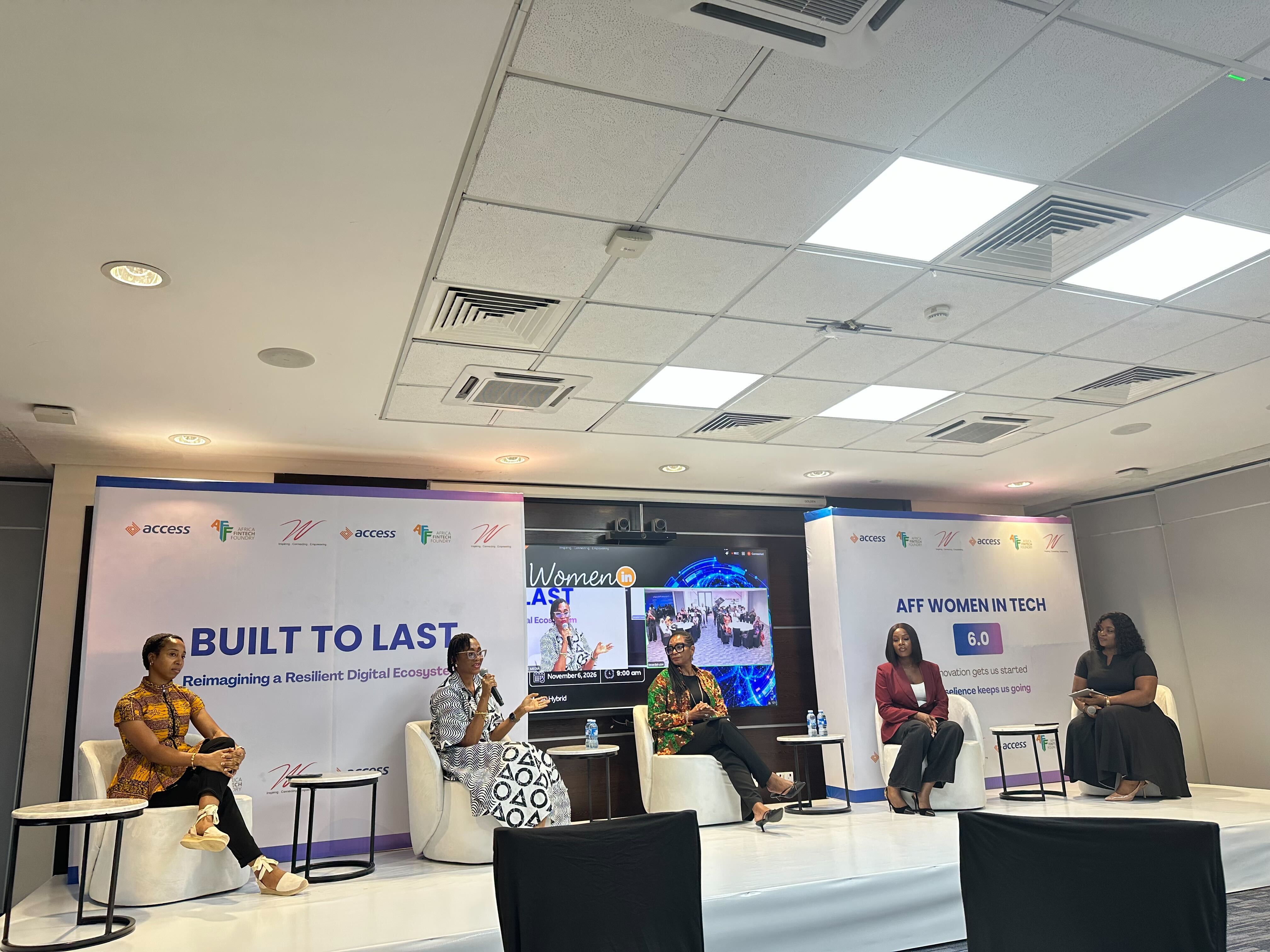
The panellists also raised concerns about the cost of fixed broadband connections, which often require uninterrupted electricity and additional backup systems. For smaller businesses, maintaining these services alongside other operating expenses can make reliable internet access difficult to afford. Egerton-Idehe suggested that internet service providers could introduce affordable packages specifically designed for small businesses, allowing more entrepreneurs to access dependable connectivity without bearing the full cost of dedicated infrastructure.
Renewable energy could ease Nigeria’s connectivity challenges
Ifeoma Malo, co-founder and CEO of Clean Technology Hub, called for stronger collaboration between renewable energy companies and telecommunications providers to address electricity challenges.
She explained that solar installations, mini-grids and microgrids were already helping businesses reduce their dependence on unreliable electricity supplies, particularly in underserved communities.
According to her, declining solar equipment costs and flexible payment arrangements were making renewable energy systems more accessible to entrepreneurs who could not afford the full installation cost upfront. She cited pay-as-you-go systems and other financing arrangements that allow businesses to spread payments while using renewable energy equipment.
However, she expressed concern that the two industries were not collaborating enough.
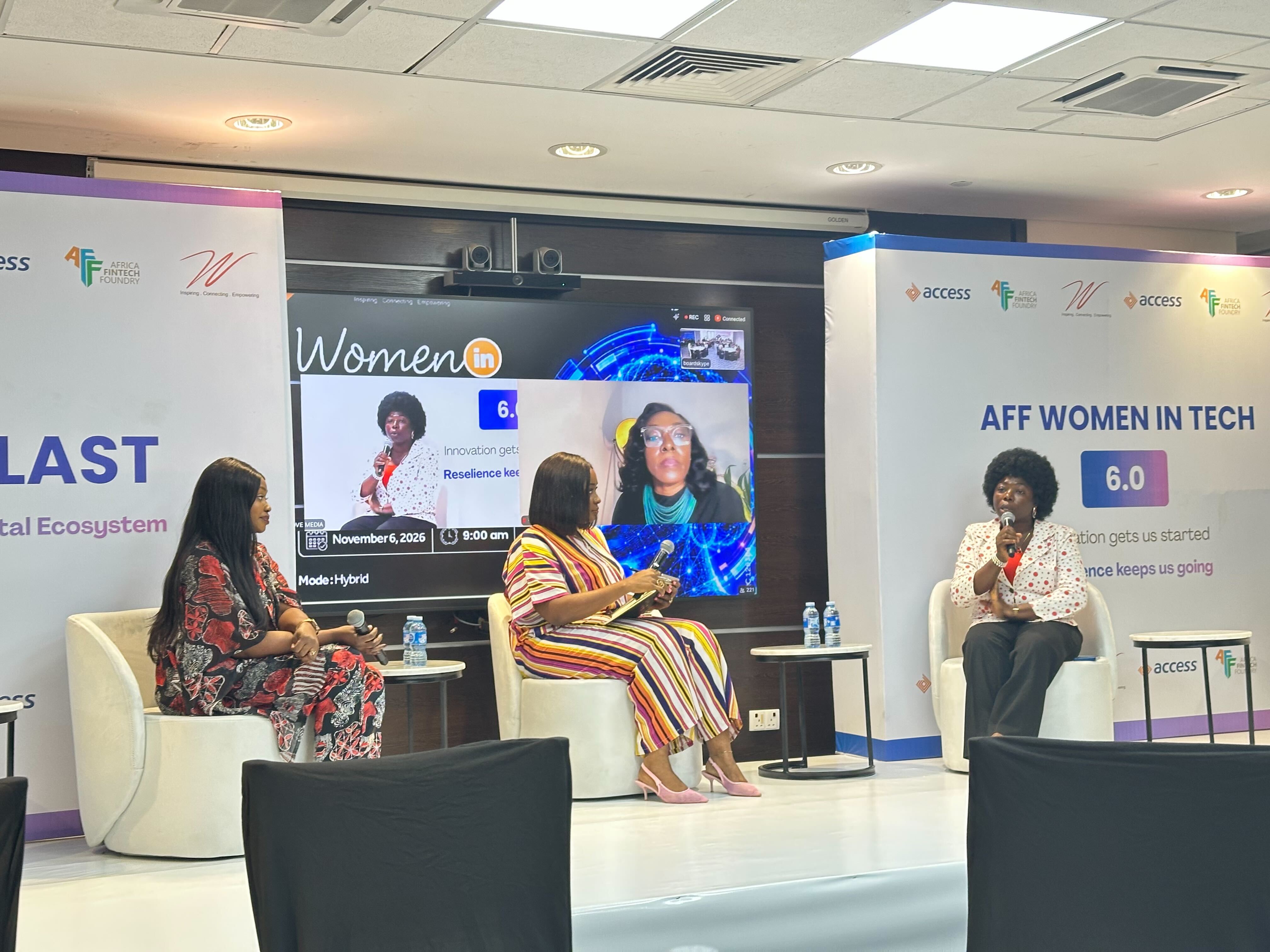
“Power is very important. But building an inter-connected ecosystem is what is going to help everybody scale faster,” she said.
Egerton-Idehen also called for greater regulatory certainty, arguing that inconsistent policies made it difficult for investors and businesses to plan long-term infrastructure projects.
“Innovators can adapt to rules. But they cannot adapt to uncertainty,” she said. She pointed to delays in securing right-of-way approvals for fibre-optic cables and damage to telecommunications infrastructure during construction as challenges requiring government attention.
Investors urge startups to prioritise profitability
Beyond infrastructure, the conference examined the growing pressure on African startups to become financially sustainable.
Chioma Chukuemeka-Joseph, an investment professional at Microtraction, said founders could no longer approach fundraising and expansion in the same way they did when investment capital was cheaper.
“This is the period where the ZIRP, the zero interest rate period, has passed, and now investors want to see actuals,” she said. She urged founders to prioritise cash runway and revenue before considering expansion into new markets.
“Before you say you want to expand to, you know, 10 countries, states, or outside Africa, you need to ask yourself, what can get me from January to December without collapsing?” she said.
Her comments were reinforced by Dr Nneka Okekere, who warned that business activity did not necessarily translate into profitability.
“Activity is not profitability,” she said, explaining that founders could record strong sales and still struggle to survive if their expenses exceeded their earnings. She encouraged entrepreneurs to pay closer attention to their markets, operational structures, financial discipline and leadership.
Women’s participation in technology also featured prominently in the discussions.
The Executive Director of the Women’s Technology Empowerment Centre, Oreoluwa Somolu, said women accounted for approximately 22% of students studying STEM courses in Nigerian universities, compared with a global figure of 35%. She also estimated that women represented about 20% of Nigeria’s technology workforce, citing stereotypes, workplace discrimination and limited career support among the factors discouraging greater participation.
According to her, many women leave technical roles within their first decade of employment, with some moving into other fields after struggling with workplace challenges. During her keynote speech, she challenged stakeholders to look beyond the number of women entering technology and consider their influence on decisions affecting the industry.
“Representation is not always the same as influence,” she said.
She maintained that Africa’s challenge was not a shortage of innovative ideas but creating an environment where those ideas could become viable businesses, strong institutions and lasting sources of economic value.
Also read: Persistent Lagos power outages: Ikeja Electric blames reduced grid allocation