A token sanctioned before it traded RubX, a ruble-pegged stablecoin developed by Russia's state-owned defense conglomerate Rostec (@Rostec_Russia), soft-launched on July 17 and began offering
A token sanctioned before it traded
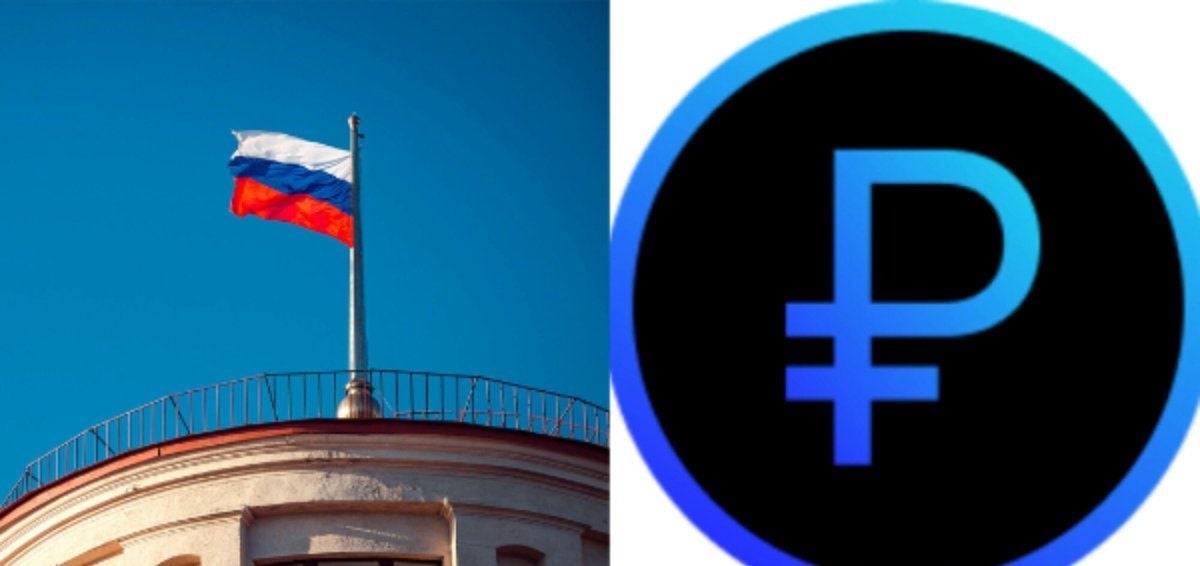
RubX, a ruble-pegged stablecoin developed by Russia's state-owned defense conglomerate Rostec (@Rostec_Russia), soft-launched on July 17 and began offering Tether swaps through Telegram a week later, according to blockchain data reviewed by the Kyiv Independent. The timing is notable: the EU had already added RubX to its list of banned crypto-assets in April, alongside Russia's central bank digital currency, the digital ruble, both effective May 24, 2026.
Built on the Tron blockchain, RubX was developed by Rostec.Each token represents one Russian ruble held in a treasury account, according to state news agency TASS. The token is paired with a payment platform called RT-Pay, designed to handle transactions for both corporate and retail users. Identified wallets already hold RubX worth roughly $110 million, with some estimates placing potential holdings above $1.1 billion, though volumes remain thin.
Russia's crypto pivot and what RubX is really for
Rostec has operated under comprehensive US sanctions since June 2022, following Russia's invasion of Ukraine. Those restrictions target Rostec's subsidiaries and affiliates and are aimed at limiting Russia's military production capacity. The EU sanctioned the token preemptively, but Washington has not yet followed suit.
Russia recently passed a long-awaited law establishing a legal framework for cryptocurrency trading, allowing Russians to buy and sell major digital assets through Central Bank-regulated intermediaries, while maintaining a ban on using cryptocurrencies for domestic payments. The legislation is part of the Kremlin's broader effort to formalize the market while preserving tight state oversight, as authorities have increasingly turned to crypto to facilitate cross-border trade after Western sanctions restricted access to the global financial system.
That regulatory context frames what analysts see as RubX's primary use case. Industry observers have characterized the RubX initiative as Russia's strategic attempt to circumvent SWIFT, the international financial messaging system supervised by G-10 central banks. In practice, that means ruble tokens function mainly as on-ramps into $USDT for cross-border procurement, a workaround that keeps dollar-denominated trade flowing despite banking restrictions.
The EU's preemptive ban on the digital ruble was explicitly designed to close a circumvention channel before Russia's planned mass CBDC rollout in September 2026. RubX, already live and already sanctioned in Europe, sits at the center of that same compliance fault line.
Sources:TRM Labs: EU Adopts 20th Sanctions Package on RussiaThe Moscow Times: Russia Passes Crypto Law to Legalize Trading Under Tight Central Bank OversightCoinDesk: Russian State Giant Rostec Plans RUBx Stablecoin and RT-Pay Platform on Tron