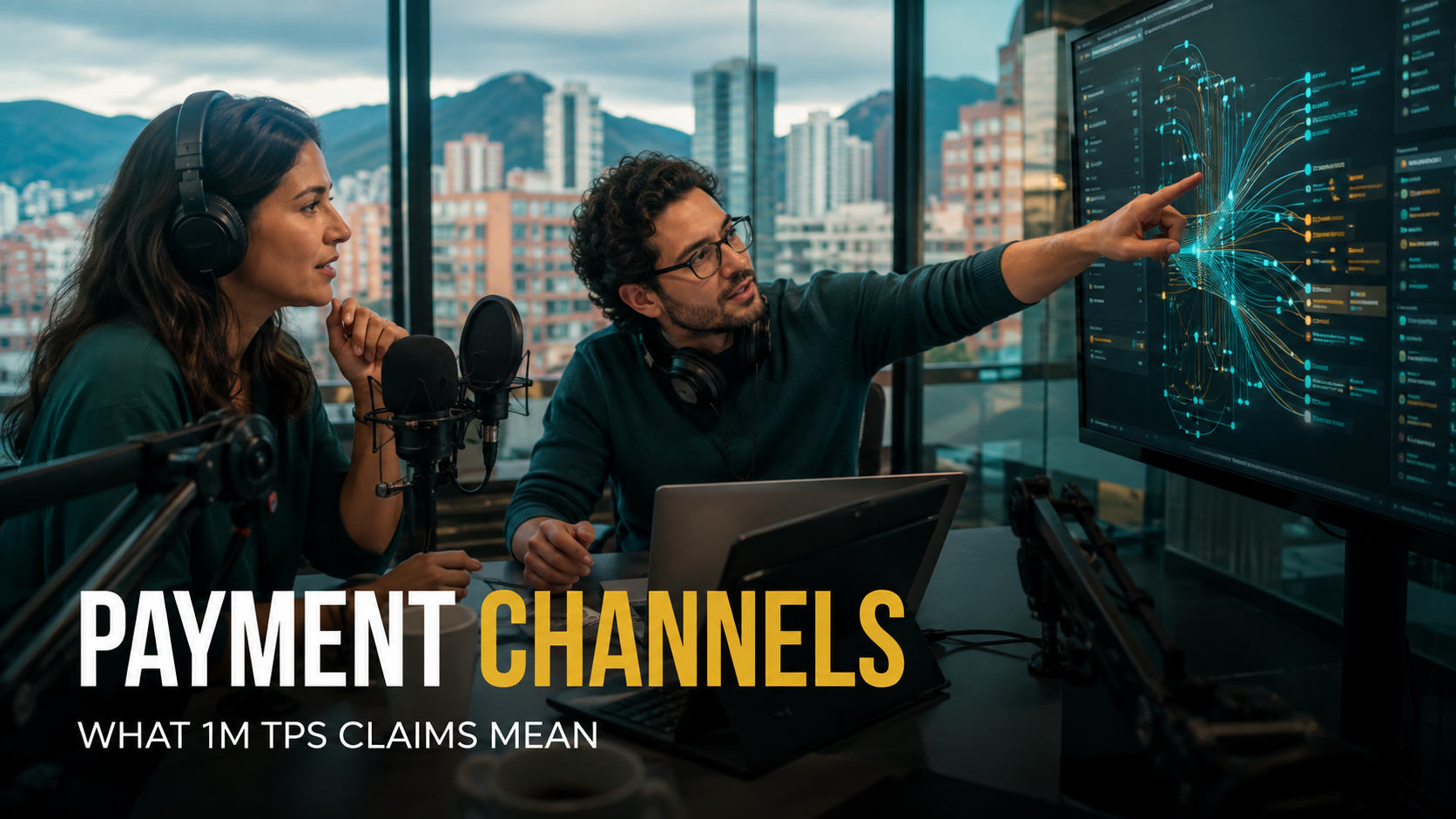
Solana’s news page highlights payment channels as a way to authorize spending once and then handle repeated activity through a dedicated channel. The project describes the approach as support
Solana’s news page highlights payment channels as a way to authorize spending once and then handle repeated activity through a dedicated channel. The project describes the approach as supporting up to one million payments per second. That headline refers to a specific channel design and should not be read as a universal guarantee for every wallet, merchant or network transaction.
Payment-channel designs usually move repeated interactions away from a base layer until a final settlement or update is needed. The potential benefit is speed and lower overhead for a particular flow. The trade-off is that participants must understand the channel rules, service provider, settlement model and failure conditions.
What a payment channel changes
Instead of asking a public blockchain to record every small step, two or more parties can establish a controlled path for a sequence of payments. The channel can track authorizations and balances according to its rules, then close or settle later. This can make repeated payments more practical for specific applications, but it adds operational design choices.
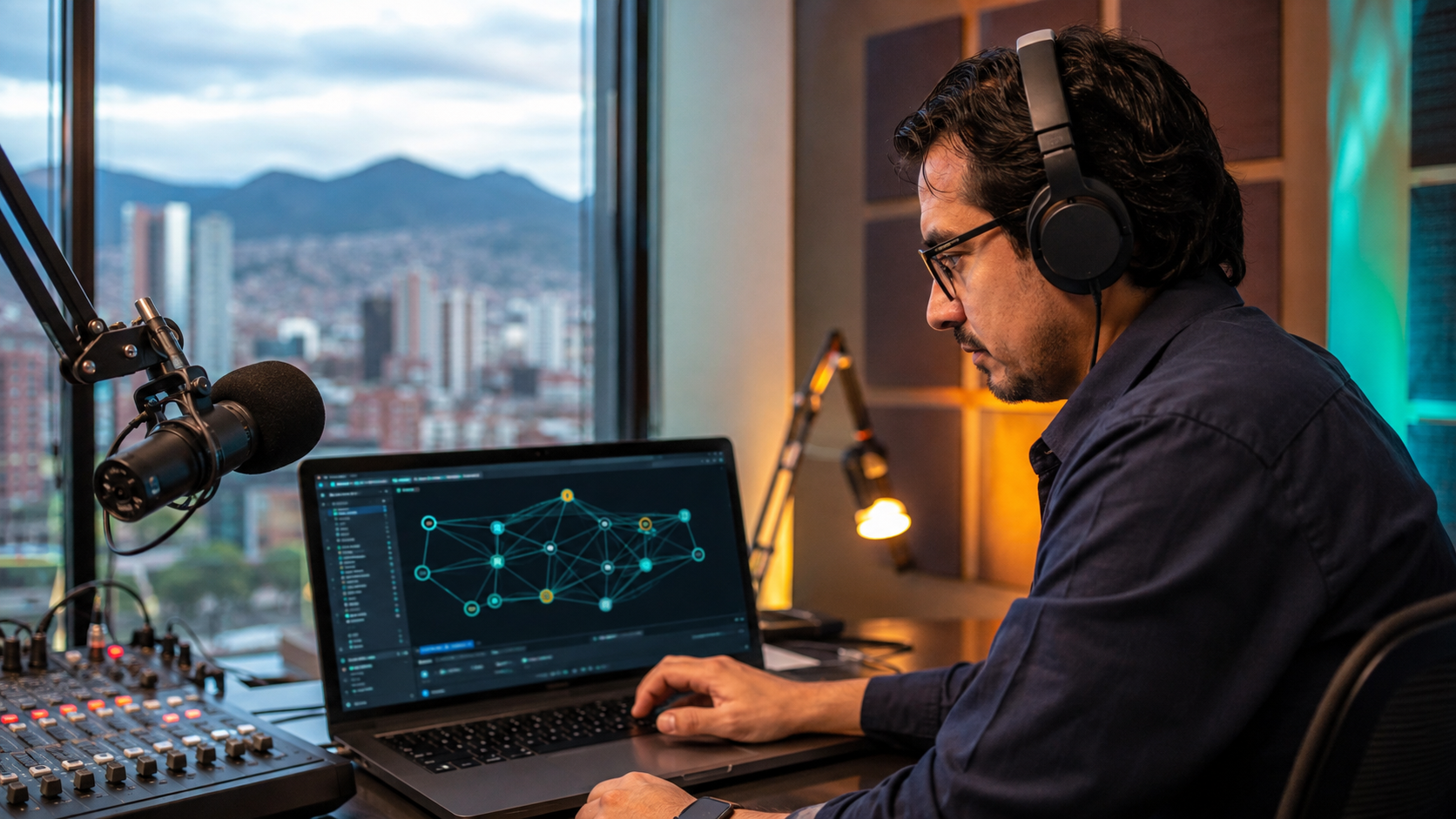
AI-generated image illustrating payment-channel routing.
Why a throughput claim needs context
A maximum figure in a technical announcement is not the same as the speed a user will experience. Real-world results depend on network conditions, channel funding, software, counterparty availability, fraud controls and the application’s own design. Readers should look for a clear explanation of what is measured and under which conditions.

AI-generated image illustrating infrastructure capacity planning.
Security and consumer checks still matter
Faster payment infrastructure does not remove ordinary account risks. Users should confirm the application address, understand any custody arrangement, enable available account protections and avoid sending assets based on an unsolicited message. A payment-channel feature is technical infrastructure, not a promise of safety or a recommendation to use a particular asset.

AI-generated image illustrating a review of payment-channel design.
Frequently asked questions
Does one million payments per second apply to every transaction?
No. The figure is presented in connection with a payment-channel approach and needs to be understood in that context.
Does faster infrastructure reduce market risk?
No. Technical throughput and the financial risk of digital assets are separate questions.
Is this a recommendation to use a payment channel?
No. It is an explanation of a technical announcement. Users should assess any service’s current terms and security model.
Source
Solana News: Payment Channels