The Federal Reserve’s decision to hold rates did not deliver relief for crypto or growth assets, with market strategists saying hawkish language, energy-driven inflation risk and rising Treas
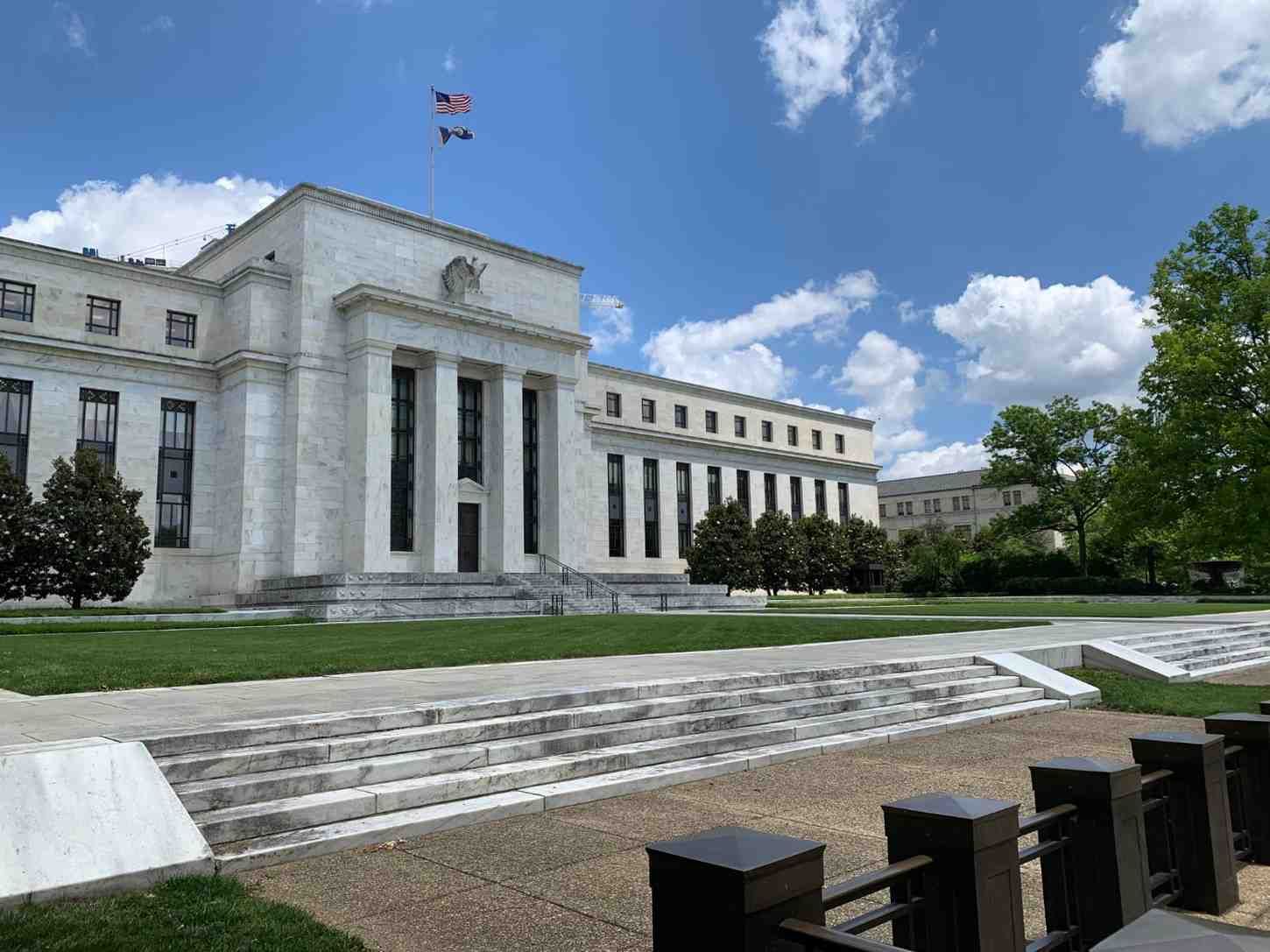
The Federal Reserve’s decision to hold rates did not deliver relief for crypto or growth assets, with market strategists saying hawkish language, energy-driven inflation risk and rising Treasury yields leave liquidity restrictive and keep another rate hike on the table.
The Federal Open Market Committee kept interest rates unchanged on Wednesday in a range of 3.5% to 3.75%, a decision investors had largely expected. The bigger signal came from the tone of the statement and the growing divide inside the committee over whether policy is tight enough to bring inflation back to target.
Dallas Fed President Lorie Logan had said before the meeting that rates should be “modestly” higher, while Cleveland Fed President Beth Hammack, Minneapolis Fed President Neel Kashkari and Governor Christopher Waller had also indicated support for tighter policy if inflation persists.
Hammack, Kashkari and Waller dissented from the decision to keep rates unchanged.
At his post-meeting press conference, Fed Chairman Kevin Warsh avoided offering clear guidance on the next move, but said the central bank would act if needed to meet its 2% inflation goal.
“I understand the desire for rolling forecasts and commentary from this committee, but for our part, we need to observe market reaction to developments direct and unfiltered,” Warsh said. “I want to stress, of course, that decisions by this committee matter a great deal, and where necessary and appropriate, we will not hesitate to act.”
Bond markets reacted sharply. The 30-year Treasury yield rose above 5.2%, its highest level since 2007, while the 10-year yield climbed more than 7 basis points to 4.677%.
Fed Language Shifts Focus From Cuts To Hikes
The market had already moved away from expecting near-term rate cuts, but the Fed’s tone reinforced the view that restrictive policy may last longer than investors hoped.
In a note sent to Yellow.com, Ryan Lee, chief analyst at Bitget Research, said the hold was expected, but the language was the real market-moving signal.
“The Fed held, as expected, but the language was the story, and it came in more hawkish than June's soft inflation print would have justified,” Lee said.
Lee said June’s inflation data had been helped by lower energy prices, but renewed pressure from the Hormuz disruption could show up in July figures. That risk, he said, helps explain why the Fed was unwilling to sound more patient.
“Markets had essentially priced out cuts for the year already, and today confirmed the debate has shifted to whether the next move is a hike,” Lee said.
That shift is likely to hit rate-sensitive growth assets first. Lee said the Nasdaq 100 could bear the brunt of repricing as higher-for-longer yields pressure valuations. Gold may also come under pressure if rising yields and a stronger dollar outweigh safe-haven demand.
“The market wanted patience. The Fed signaled it has less room for it than the numbers implied,” he said.
Crypto Faces A Tougher Liquidity Setup
For digital assets, the Fed’s message keeps the macro backdrop difficult. Higher rates usually mean tighter liquidity, more expensive leverage and weaker appetite for risk assets.
Andrei Grachev, managing partner at DWF Labs, said the decision showed the Fed is still willing to tolerate weaker growth if that is what it takes to control inflation.
“This is the Fed telling markets it will not tolerate inflation above target even at the cost of a growth scare,” Grachev said.
Also Read: BIP-110 Stalls As Saylor Calls Rule Changes An Attack On Every Holder
He called that the least favorable outcome for digital assets in the current cycle because it points to tighter policy, less liquidity and higher carry costs.
“Bitcoin (BTC) has held up through a hawkish stretch already, but a fresh hawkish surprise would negatively impact prices,” he said.
Can-Luca Köymen, investment strategist at Sygnum Bank, took a more measured view. He said the decision was broadly in line with expectations and showed a committee trying to preserve flexibility while the energy outlook remains unsettled.
“This was broadly the outcome we expected. Our base case was a hold, and hawkish language accompanying it is consistent with a committee that wants to preserve optionality while the energy picture remains unsettled,” Köymen said.
For crypto, Köymen said the message is not that the backdrop has suddenly deteriorated, but that restrictive conditions are likely to remain in place for longer.
“Our moderately constructive stance rests less on the Fed easing in the near term than on inflationary pressure remaining manageable, and nothing in this decision changes that assessment,” he said.
He said the next key variables are the path of oil prices and whether recent improvement in ETF flows and on-chain accumulation continues.
Energy Risk Keeps Markets Split
Iggy Ioppe, chief investment officer at Theo and a former executive at Credit Suisse, also pointed to energy as the main complication for the Fed and markets.
“As I expected, the Fed held rates this week,” Ioppe said. “The June CPI cooled, but the oil spike from the ongoing US-Iran escalation and shipping risks in the Strait of Hormuz and Red Sea keep the inflation picture messy.”
Ioppe said Warsh is unlikely to be moved by one softer inflation report while energy risks remain elevated. At the same time, he argued that the decision not to tighten further means the broader liquidity backdrop still offers some support for risk assets over the medium term.
Bitcoin ETFs have seen a return of institutional flows in recent sessions, Ioppe said, but price action remains contained because the same geopolitical oil risk keeping the Fed cautious is also limiting upside.
He said AI-linked stocks continue to dominate the speculative side of the market, even as questions around capital expenditure returns and stretched valuations create rotation and volatility. Gold remains the other side of that market barbell, serving as a hedge against energy shocks and policy uncertainty.
Read Next: OpenAI Field Report Shows AI Coding Agents Slashing Scientific Computing Time By 90%