US authorities have moved against a crypto network described as a $6.3 billion settlement layer for Iran's illicit economy, an enforcement action that ties sanctions evasion, Iran, and Russia
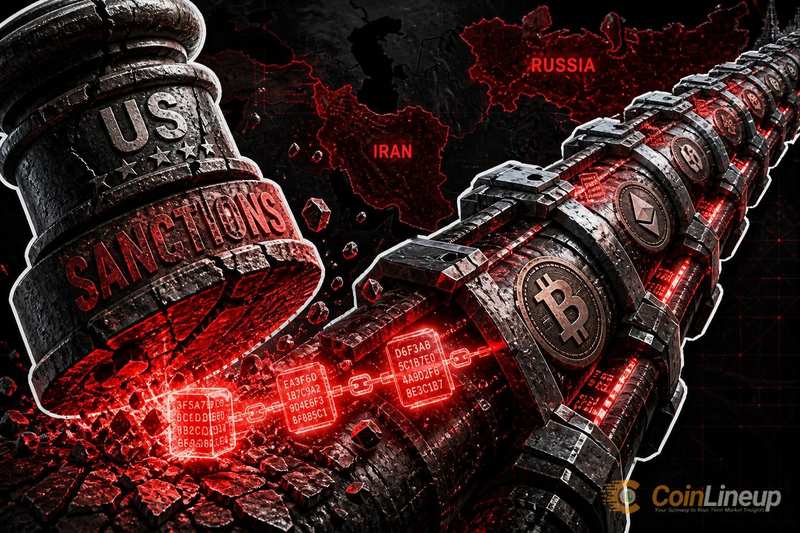
US authorities have moved against a crypto network described as a $6.3 billion settlement layer for Iran's illicit economy, an enforcement action that ties sanctions evasion, Iran, and Russia to a single stablecoin-driven pipeline and puts fresh pressure on exchange compliance teams.
The case centers on Shelbit, an Iran-linked exchange that blockchain intelligence firm TRM Labs identified as having handled roughly $6.3 billion in flows functioning as a settlement layer for sanctioned activity. The US Treasury detailed the underlying designation in an official press release.
Reporting on the operation found the exchange routed a large share of that value through mainstream infrastructure, with TRM's figures underpinning the scale of the alleged pipeline. The Iran and Russia connections are what make this a sanctions-enforcement story first rather than a routine market event. For related coverage, see HTX Corporate Crypto Accounts Face EU Sanctions Dead End.
Why compliance teams should read this as a screening problem
The action matters because a settlement layer of this size implies exposure that can reach far beyond the designated entity itself. According to a Reuters-sourced report, the Iran-linked exchange sent about $676 million to Binance as part of the alleged evasion operation. For related coverage, see Nigeria Sets 1% Crypto Tax Withholding for Exchanges, P2P.
That single figure is the practical warning for exchanges, brokers, and OTC desks: funds tied to a sanctioned network can arrive through counterparties that look ordinary. Sanctions screening and transaction monitoring are the direct controls that determine whether such flows get caught or cleared.
The mechanics echo earlier moves in the sector, including when US sanctions hit two crypto exchanges over alleged Iran-linked funds. For compliance staff, the recurring theme is wallet and counterparty exposure management rather than any single blocked address.
What this signals for the policy conversation
Enforcement of this scale tends to shape the public narrative around illicit finance in crypto, giving regulators a concrete case to cite when arguing for tighter oversight. The Iran and Russia framing in the Treasury designation fits a broader pattern of sanctions pressure on crypto rails.
That pattern is visible elsewhere, from Russia's own crypto exchange law signed by Putin to EU measures such as the HTX deadline that could expose EU holders to sanctions risk. Each reinforces expectations that platforms tighten controls or face exclusion from regulated markets.
On market impact, the evidence supports caution rather than claims of disruption. This is primarily a compliance and policy development; the research provides no verified price or trading data indicating an immediate market reaction.
Disclaimer: This article is for informational purposes only and does not constitute financial or investment advice. Cryptocurrency and digital asset markets carry significant risk. Always do your own research before making decisions.
Read original article on coinlineup.com