VanEck Executive: “Quantum Risk Isn’t Significant Enough to Warrant Selling Bitcoin” — Compared It to Gold
Matthew Sigel, Head of Digital Asset Research at VanEck, stated that Bitcoin could continue to increase its share of the investment market in the long term, but added that quantum computing i
A
AnonymousCryptoCompass newsroom
October 3, 2026
2 min read
NEWS
Hero article visual / chart / editorial image
CryptoCompass editorial visual for bitcoin coverage.
Matthew Sigel, Head of Digital Asset Research at VanEck, stated that Bitcoin could continue to increase its share of the investment market in the long term, but added that quantum computing is not currently a threat close enough to warrant investors selling BTC.
In an interview, Sigel pointed out that the rapid growth in the AI sector has made the electrical infrastructure and long-term energy contracts owned by Bitcoin mining companies more valuable. He noted that in the past, mining companies’ core assets were primarily valued based on computing power and Bitcoin production capacity, but the high and continuous electricity demand of AI data centers is beginning to change this approach.
Sigel noted that some Bitcoin miners have signed 10 to 20-year electricity contracts with counterparties that have investment-grade credit ratings, adding that these agreements offer companies additional value that isn’t solely tied to the Bitcoin price. He stated that with the growth of the AI sector, affordable and stable electricity sources may become increasingly scarce, and mining companies with long-term energy access could capitalize on new business opportunities, such as transforming their facilities into AI and high-performance computing infrastructure.
Sigel, also commenting on the Bitcoin market, added that there are signs that the selling pressure is beginning to weaken.
Sigel also compared Bitcoin and gold in terms of their positions in investment portfolios, arguing that Bitcoin could achieve a larger market share over time. Stating that VanEck maintains its positive view on Bitcoin’s long-term adoption trend, Sigel noted that Bitcoin reaching a fraction of the market capitalization of other major investment assets could be a significant benchmark in its future valuation.
Sigel also touched upon the potential impact of quantum computing on the Bitcoin network, saying that the technology poses a risk to be monitored in the long term, but at the current stage it is not at a level that would warrant selling for Bitcoin investors.
U.S. spot Bitcoin ETFs took in a provisional $82.9 million in the week ended October 2, almost completely stalling after attracting $2.39 billion the week before, while spot Ether ETFs swung
The International Monetary Fund has released about $138 million to El Salvador, after waiving a breach of the limits it set on the country’s Bitcoin buying. The IMF’s executive board approved
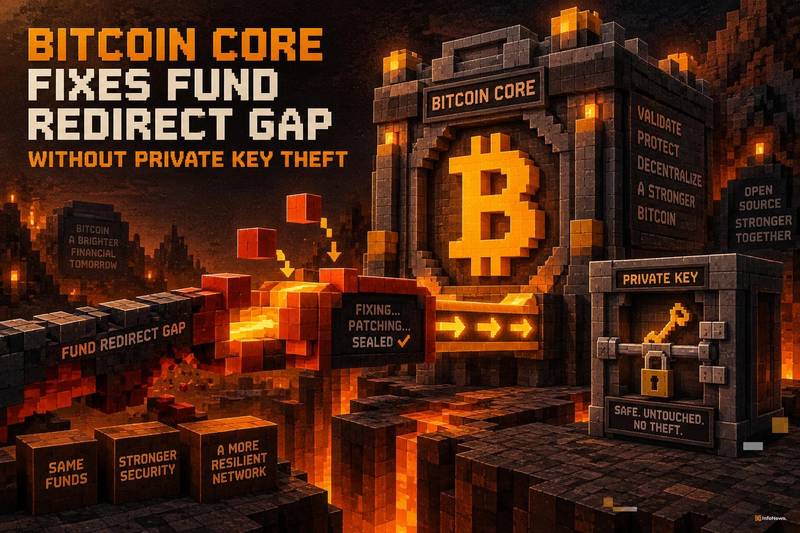
Bitcoin Core has released a fix for a gap in the software that could allow funds to be redirected without an attacker ever obtaining a user's private keys. The distinction is significant: the