Aave has unveiled Glass, a new design framework built to give its apps a more tactile, modern interface across both mobile and web. The framework started inside Aave’s mobile app experience a
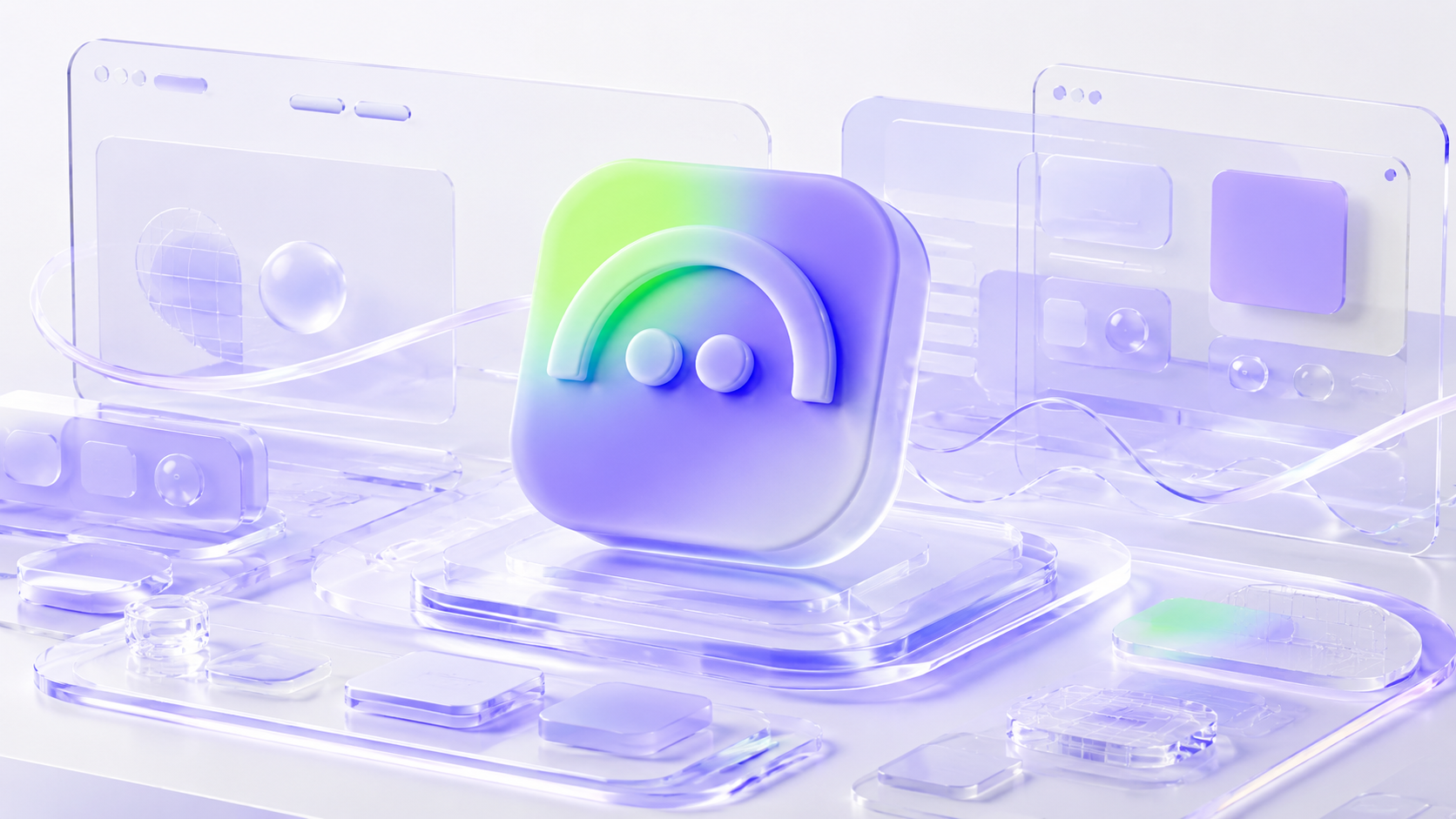
Aave has unveiled Glass, a new design framework built to give its apps a more tactile, modern interface across both mobile and web.
The framework started inside Aave’s mobile app experience and has now been extended to web interfaces. Inspired by Apple’s Liquid Glass design language, Aave Glass uses refraction, depth and motion to make interface components feel closer to physical objects rather than flat buttons on a screen.
The update is not a new lending market, token launch or protocol change. It is a design and engineering release aimed at improving how users interact with Aave products. That still matters for DeFi because user experience remains one of the biggest gaps between crypto-native apps and mainstream financial platforms.
Aave is already one of DeFi’s largest lending protocols, and its product surface is becoming broader as Aave V4 deposits crossed $115 million during the protocol’s early rollout. A cleaner interface layer gives that expanding system a more unified front end as users move between lending, borrowing, risk controls and future market types.
Why Glass Matters For DeFi UX
Most DeFi apps still look and feel technical. They ask users to manage collateral, liquidation risk, approvals, interest rates, health factors and chain selection through dashboards that often feel built for power users first.
Glass is Aave’s attempt to make those interactions feel smoother without hiding the mechanics underneath. The framework powers components such as switches, sliders, toggle groups, QR code interactions and video-style controls, using glass-like movement to show selection, motion and focus.
The technical detail is important. Many web-based glass effects work well in Chromium browsers but break or require fallbacks elsewhere. Aave’s implementation is designed to work across modern browsers, including Safari, desktop and mobile. It uses real rendered page content rather than a static copy, which means text, links and interface elements can remain selectable, scrollable and clickable while the glass effect moves across them.
For surfaces that cannot be handled cleanly by standard SVG filtering, such as canvas-rendered QR codes or certain video cases in Safari, the same displacement-map logic can run through WebGL. That gives Aave a more portable design system instead of a browser-specific visual experiment.
Interface Polish Becomes Part Of Protocol Competition
Aave’s Glass release arrives as DeFi lending platforms compete on more than liquidity. Risk design, supported collateral, cross-chain access, yield depth and user experience are all becoming part of the same product race.
That is especially visible in Aave’s newer architecture. Native Bitcoin-backed lending through Aave V4 and Babylon shows how the protocol is moving toward more complex credit markets. As products become more advanced, interface clarity becomes more important because a small misunderstanding around collateral, borrowing or liquidation can become expensive.
Glass does not change Aave’s smart contracts by itself. It changes the layer where users meet the protocol. If Aave can make advanced DeFi feel more like a polished financial app while keeping the transparency of onchain markets, the design framework becomes more than visual branding.
The next test is adoption across Aave’s product family. A consistent Glass interface could help make lending, borrowing, wallet actions and market navigation feel like one connected system, giving Aave a stronger consumer-facing identity as DeFi moves further from experimental dashboards toward mainstream financial software.
The post Aave Unveils Glass Design Framework For Modern Web Apps appeared first on Crypto Adventure.