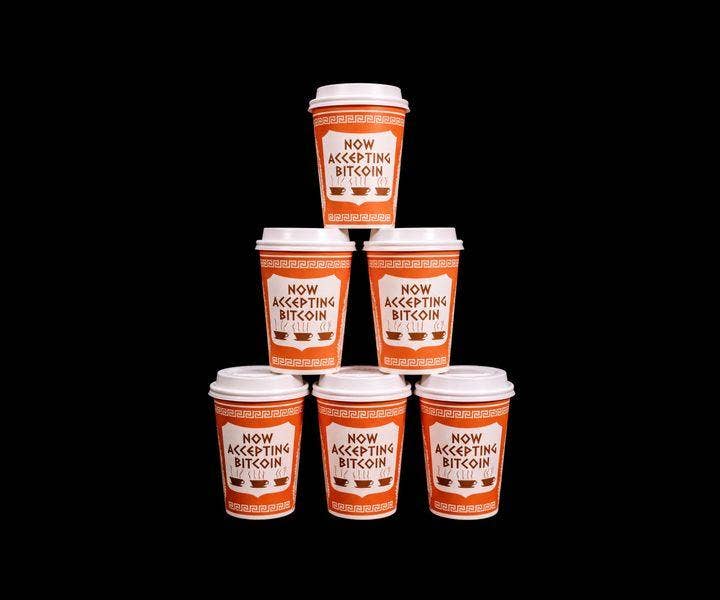
Key Points Median payment $13 Coffee shops lead $9.10 coffee median 86% return in 30 days Americans are not just holding Bitcoin anymore. They are buying coffee, lunch and groceries with it.
Key Points
- Median payment $13
- Coffee shops lead
- $9.10 coffee median
- 86% return in 30 days
Americans are not just holding Bitcoin anymore. They are buying coffee, lunch and groceries with it.
That is the clearest finding of the new State of Bitcoin Payments report, released Nov. 19 by Jack Dorsey's Block (NYSE: XYZ), the company behind Square and Cash App. The study analyzes Bitcoin payments made at U.S. Square sellers from Nov. 1, 2025 to Oct. 15, 2026, offering one of the first real datasets on how people spend Bitcoin in everyday life.
The median Bitcoin payment is about $13, and the average is $29. Nearly two-thirds of payments, 65.1%, are under $20, and 42.4% come in under $10.
"Much of the hesitation around bitcoin comes from not seeing it used in real life," Miles Suter, Bitcoin Lead at Block, said in the announcement. "Payments data shows people spending bitcoin on everyday things, and we hope that makes it feel more approachable."
Coffee leads everyday bitcoin spending in Block's State of Bitcoin Payments report. Source: Block
Block
Coffee leads the way
Food and drink businesses account for 72.3% of all Bitcoin payments through Square. Coffee shops and fast food restaurants drive most of that activity, making up 62.6% of the category's payments with a median ticket of just $9.10.
Grocery stores see fewer payments but the highest average ticket in the category at $60.73. Restaurants follow by count at 21.8% of food and drink payments, with a median of $20.48.
The spending mix looks almost identical to how Americans pay with cards. Food and drink took 67.5% of Square card payments over the same period, which suggests Bitcoin is being used as everyday money, not as a speculative asset.
Where the bigger payments go
Retail purchases make up 10.2% of Bitcoin payments, with a $21 median and a $44 average.
The largest tickets come from services. Home repair businesses average about $104 per Bitcoin payment and professional services about $97, though together they account for just 5.3% of payments.
Nearly every payment in the study, 98.1%, was below $200. Payments under $50 made up 89% of the count but only 43.4% of the dollar value.
People keep coming back
Repeat behavior is the strongest signal in the data. Among Cash App customers paying with Bitcoin, 44% of payments were repeat purchases at the same seller.
Nearly 86% of repeat payments happened within 30 days of the previous one, and 15.8% happened the very same day. The median gap between two Bitcoin payments at the same business was just three days.
More than half of payments, 56.6%, came from wallets outside Cash App, including Lightning-enabled wallets such as Strike, Wallet of Satoshi, Phoenix and Coinbase. Lightning is a network built on top of Bitcoin that allows fast, low-cost payments.
The tax problem
Under current U.S. tax rules, spending Bitcoin is treated like selling stock. Even a typical $13 payment can technically trigger a capital gain or loss calculation at checkout.
The friction shows up in Block's survey data. About 29.6% of consumers who do not own Bitcoin say they would be more likely to pay with it if it were easier, while 23.6% of businesses that do not accept it blame tax and accounting complexity.
Congress is currently weighing a crypto tax package that could include a de minimis exemption for small everyday transactions. Dorsey has long pushed for such an exemption, arguing that no one should face a tax calculation for buying a $5 Americano, as TheStreet reported when coffee shops across the U.S. began accepting Bitcoin.
"Tax rules should reflect how technology is actually used," Suter said. "In this data, most bitcoin payments are small, routine purchases, and under current rules, even something as small as a cup of coffee can require a capital gain or loss calculation."
What the data does not say
Block does not disclose the total number of Bitcoin payments, the number of sellers receiving them or the total dollar volume, calling those figures proprietary. The company itself describes Bitcoin payment activity as modest and early.
The repeat-payment figures also cover only identifiable Cash App customers, since payments from outside wallets cannot be linked to a person.
Even so, Square is standing behind Bitcoin payments. The company has extended zero-fee processing for them through Dec. 31, 2027, and Bitcoin was trading near $60,000 at the time of writing.
Read more:
This story is for informational purposes only and is not financial or investment advice.
If you follow our market coverage, don't miss the Roundtable 100. Updated every Friday, it's a power ranking of the 100 most investable tech stocks, including digital assets. Check out the latest RTB 100 rankings at roundtable100.com.