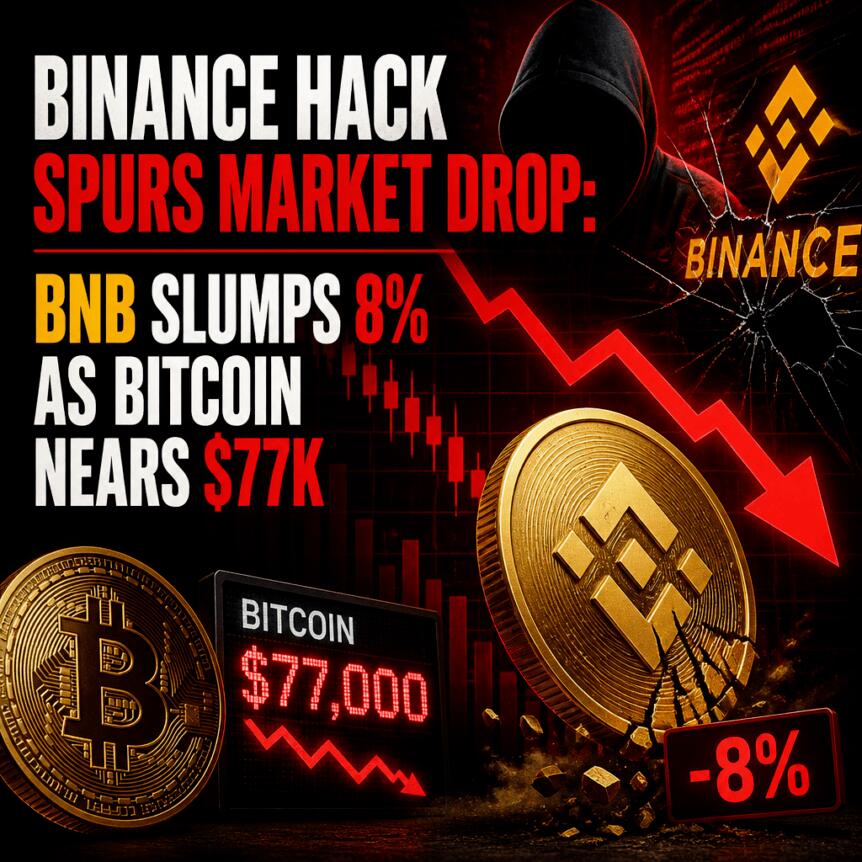
Binance, the world's largest cryptocurrency exchange by trading volume, has reportedly halted withdrawals following unconfirmed reports of a hot-wallet drain. The reported suspension affects
Binance, the world's largest cryptocurrency exchange by trading volume, has reportedly halted withdrawals following unconfirmed reports of a hot-wallet drain. The reported suspension affects users' ability to move assets off the platform. No official incident statement, confirmed loss figure, affected network list, or restoration timeline has been published at the time of writing.
What Is Known About the Reported Withdrawal Halt
Reports circulating across social media and search activity indicate that Binance suspended withdrawals, citing a potential hot-wallet security issue. A hot wallet is an internet-connected wallet an exchange uses to fulfill real-time withdrawal requests, as distinct from cold storage held offline. The withdrawal halt and the alleged drain are being reported together, but they are not equivalent: a pause in withdrawals is a confirmed operational action, while the cause attributed to that pause remains unverified. For related coverage, see MARA-Linked Wallets Move 1,000 BTC to Binance and Gate.
Binance has previously paused specific deposit or withdrawal services during network upgrades for individual assets, a routine maintenance measure distinct from a security-driven suspension. For context, the exchange earlier halted eCash deposits to accommodate a network upgrade, illustrating that withdrawal pauses can arise from technical rather than security causes. The current situation, if confirmed as security-driven, would represent a materially different category of event.
No confirmed dollar figure, transaction hash, or affected blockchain has been attributed to an official Binance statement or a verifiable on-chain source at this time. Any specific loss figures circulating on social platforms should be treated as unverified claims until Binance publishes an official post-incident disclosure or independent on-chain analysis corroborates the amounts.
What a Withdrawal Suspension Means for Users
A withdrawal suspension prevents account holders from transferring supported assets to external wallets or other platforms. It does not, by itself, mean that user balances have been reduced or that funds are lost. Exchanges typically impose such pauses while their security teams assess wallet activity, verify whether outflows were unauthorized, and contain potential damage before re-enabling transfers.
The critical distinction for affected users is that an inability to withdraw is a restriction on movement, not necessarily evidence of loss. Binance's proof-of-reserves attestations and on-chain exchange flow data, which can be independently monitored through resources such as CryptoQuant's exchange netflow charts, would offer a more grounded picture of whether net outflows from Binance wallets are anomalous relative to baseline behavior.
Users should rely exclusively on official communications from Binance's verified social accounts and support channels. During active security incidents, impersonator accounts frequently circulate fake "refund" links, emergency wallet addresses, and fabricated announcements. Any message requesting that users move funds to an external address as a protective measure should be treated as a social engineering attempt.
Separately, Binance Pool is already scheduled for a shutdown on November 10, a planned event unrelated to the current withdrawal reports. Users with positions tied to Binance Pool should verify whether the reported withdrawal issue affects their ability to access records ahead of that date.
The Bitcoin Network Perspective
From a Bitcoin-network standpoint, withdrawal halts at large centralized exchanges can briefly affect observable on-chain metrics. When a major exchange restricts outflows, the flow of Bitcoin into user-controlled wallets slows, which can temporarily alter exchange reserve readings and mempool fee dynamics. Whether those effects materialize in this case depends on the scale of the reported event and its duration, neither of which is confirmed.
Binance consistently ranks among the largest holders of Bitcoin on behalf of its users. Large institutional movements involving the exchange have previously been flagged through on-chain tracking; for instance, MARA transferred 1,000 Bitcoin to Binance and Gate.io in a tracked on-chain event, demonstrating the scale of flows that routinely pass through exchange wallets. An unauthorized drain of meaningful size would register as an anomalous outflow in exchange netflow data, providing an independent verification path separate from official statements.
Bitcoin's security model is architecturally distinct from the custodial risk present in exchange hot wallets. The Bitcoin network itself continues to produce blocks on schedule regardless of exchange-level incidents. Self-custody, where users hold private keys directly, eliminates the counterparty risk that withdrawal suspensions represent. This incident, if confirmed as a security breach, reinforces the long-standing argument among Bitcoin advocates that exchange custody introduces risks the base-layer protocol does not.
What to Watch For Next
Three developments would materially change this story. First, an official Binance statement acknowledging or denying the hot-wallet drain and explaining the reason for the withdrawal halt. Second, on-chain data from a verifiable block explorer confirming or refuting whether anomalous outflows occurred from known Binance wallet addresses. Third, a phased or full resumption of withdrawals accompanied by a disclosure of scope, affected networks, and the security actions taken.
Exchange-profile data on platforms such as TokenInsight's Binance exchange profile tracks reserve ratios and operational scores that may reflect updated information as the situation develops. On-chain wallet activity linked to known Binance addresses can similarly be cross-referenced through blockchain analytics providers as new data becomes available.
Until Binance provides an official statement, the responsible position is to note that a withdrawal halt has been reported, that its cause is attributed to a hot-wallet drain by unverified sources, and that no confirmed loss figure or restoration timeline exists. Speculation about the scale of potential losses, the attack vector used, or the likelihood of fund recovery falls outside what the current evidence supports.
Binance's valuation context is also relevant to assessing the exchange's capacity to absorb a security event. The exchange's affiliated infrastructure arm recently raised a funding round valuing Binance Mesh at $2 billion, a signal of the broader ecosystem's financial depth, though exchange reserves and capitalization are separate from any specific hot-wallet balance that may be at issue here.
This article will be updated when Binance publishes an official statement, when on-chain data provides independent corroboration, or when withdrawal services resume with a disclosed explanation.
Disclaimer: This article is for informational purposes only and does not constitute financial or investment advice. Cryptocurrency and digital asset markets carry significant risk. Always do your own research before making decisions.
Bitcoininfonews first published the article titled Binance Halts Withdrawals After Reported Hot-Wallet Drain.