Bitcoin closed out a losing first half of 2026, its worst start to a year since 2022. Then it bounced. Twice in one week, it pushed back above $63,000. The rebound is real. But the numbers un
Bitcoin closed out a losing first half of 2026, its worst start to a year since 2022. Then it bounced. Twice in one week, it pushed back above $63,000. The rebound is real. But the numbers underneath it, from CryptoQuant’s own founder, suggest the easy gains are behind bitcoin for good, and the next big move needs a kind of institutional capital that hasn’t shown up yet.
What Actually Happened
Bitcoin closed June down roughly 20%. That gave 2026 the dubious honor of joining only 2018 and 2022 as years where bitcoin fell in both the first and second quarters. Neither of those years saw a rescue in the second half.
Then, on thin July 4 holiday trading, bitcoin jumped above $63,000, its highest level in over a month. XRP led the move, up 5% on the day. The rally held into July 5, with bitcoin touching just under $64,000 before easing back.
The move wasn’t random. US spot Bitcoin ETFs posted $221.7 to $223.5 million in net inflows on July 2, snapping a 10-day withdrawal streak. FBTC led the inflows at $166 million. That reversal triggered a wave of short liquidations, $51.64 million in a single session, more than 90% of it hitting short positions.
Why the Rebound Still Sits on Shaky Ground
One green week doesn’t undo a genuinely bad stretch. The 30-day ETF flow picture remains deeply negative at -$6.27 billion. The 7-day figure alone is still -$2.13 billion. The rebound is real, but it’s a bounce inside a longer downtrend, not yet a confirmed reversal.
The Fear and Greed Index has been locked at 20 to 24 for weeks, solidly in Extreme Fear territory. That’s a market where institutional buyers are testing support, not one where broad conviction has returned.
The $1 Trillion Number, Explained
This is the part of the story most headlines skip. CryptoQuant founder Ki Young Ju published research measuring how much fresh capital each bitcoin bull cycle has actually needed to produce its gains.
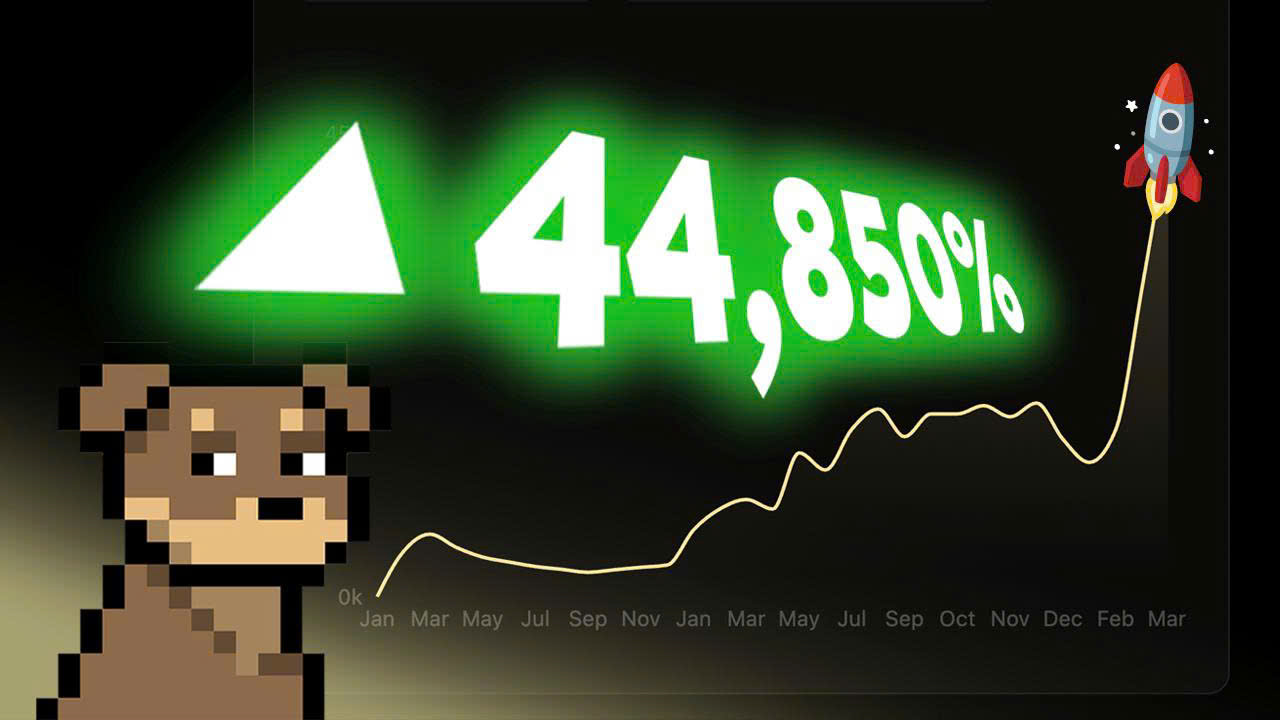
The pattern is stark. Earlier cycles turned relatively small amounts of new money into gains of 2,000% to more than 50,000%. This cycle, roughly $697 billion in new capital has produced a gain of about 689%. Bitcoin is generating a fraction of the return per dollar invested that it once did.
That’s not necessarily bad news. It’s what happens to any asset as its market cap grows. A bigger base moves less in percentage terms no matter who’s buying. But Ki’s own conclusion is specific: another genuinely parabolic move would likely require more than $1 trillion in fresh institutional capital, moving bitcoin from a retail-driven ETF trade into a true core macro asset.
Bitcoin needs to be a core macro asset, not just a retail-driven ETF trade. Ki Young Ju, founder, CryptoQuant.
Ki has called this a case for patience, not a case that the top is in. But the timing is awkward. The institutional depth his thesis needs is exactly what’s been retreating for the past month, not building.
What’s Actually Weighing on Bitcoin Right Now
FactorWhat’s HappeningRising inflation dataMay PCE showed headline inflation at 4.1% year-on-year, the highest since April 2023. Core PCE hit 3.4%. Both readings pushed BofA toward pricing in three Fed rate hikes across September, October and December.A collapsed peace dealThe Bürgenstock ceremony aimed at a geopolitical resolution fell apart before a signature was signed, adding to macro uncertainty in late June.An AI stock routA global AI chip selloff on June 24 dragged bitcoin below $60,000 for the first time in months, as capital rotated out of both AI and crypto simultaneously.Capital competing with AI infrastructureResearchers at Schwab and Hashdex have pointed to the same dynamic Robius covered in Alphabet’s $84.75 billion raise: capital is being diverted into AI infrastructure investment, competing directly with digital assets for the same institutional dollars.
The Ethereum Counter-Story
While bitcoin has struggled, Ethereum has had a stronger recent run, up more than 12% over the past seven days at the time of writing. Vitalik Buterin has described Ethereum’s next roadmap phase, centered on the upcoming Glamsterdam upgrade, as the network’s biggest rebuild since the 2022 Merge, with quantum resistance and privacy protections moved up the priority list.
Ethereum’s rally is happening against the same negative 30-day ETF flow backdrop as bitcoin, down $795.3 million over 30 days despite a positive $29 million day on July 4. The divergence between ETH’s price strength and its own outflow picture is its own open question.
Why This Matters for UAE Crypto Holders
The UAE’s crypto market doesn’t move independently of these global capital flows. VARA-licensed exchanges, ADGM-regulated brokers, and UAE-based investors holding bitcoin through international platforms are all exposed to the same ETF flow dynamics driving this rebound and the broader capital efficiency question CryptoQuant is raising.
The competition between AI infrastructure capital and crypto capital is especially relevant here. The UAE is simultaneously one of the most aggressive AI infrastructure investors on earth, through G42, Mubadala, and the OpenAI data center project, and one of the most active crypto licensing jurisdictions, through VARA and ADGM. If institutional capital is genuinely choosing AI over crypto in the current cycle, as the Schwab and Hashdex researchers argue, the UAE sits at the exact intersection of both stories.
The honest read: the rebound above $63,000 is real, confirmed by actual ETF inflow data, not just sentiment. But it’s happening inside a 30-day picture that’s still deeply negative, and the capital efficiency data suggests bitcoin’s easy gains are structurally behind it. A genuine parabolic run from here needs a different, much larger class of buyer than has shown up so far in 2026.
Sources