



Bitcoin Outlook Uncertain as US Growth Slows and Inflation Stays High
 STRNGR
CORE
BTC
STRNGR
CORE
BTC
 RSRV
RSRV
 WOULD
WOULD
This article was first published on Deythere.
Bitcoin outlook is growing increasingly harder to read as new U.S. data confirms a clear economic growth slowdown without the sort of inflation relief markets were hoping for.
Fresh numbers from the Bureau of Economic Analysis have confirmed that GDP growth was revised down for the 4th quarter of 2025; to a mere 0.5%; a drop from 4.4% in Q3. Such a drop would typically mean that the Federal Reserve was moving closer to cutting interest rates.
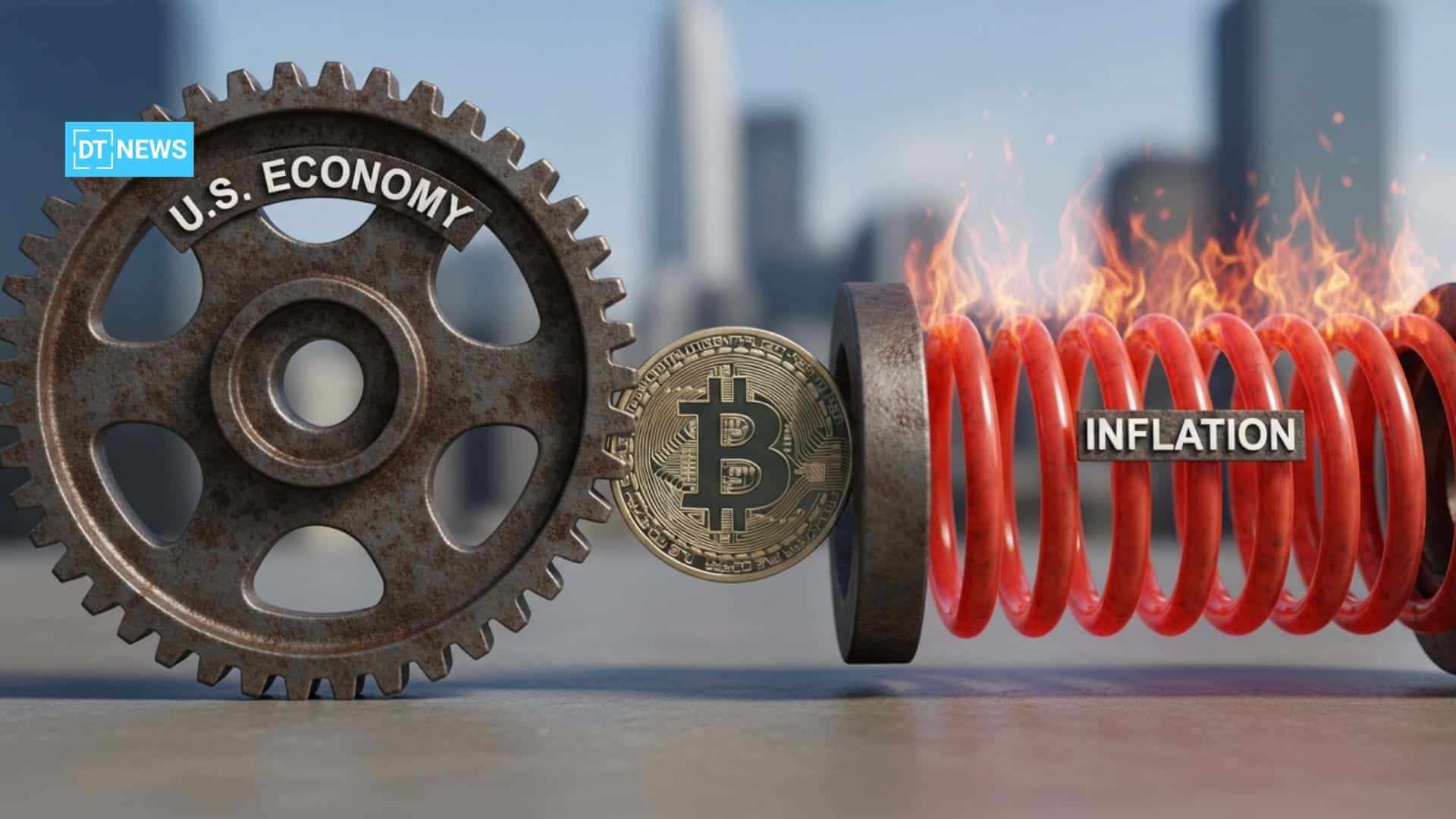
However, that is not what’s happening because Inflation is still running too high. The Fed’s preferred metric has PCE inflation at 2.8% year-on-year; with core PCE also at 3.0%, and both up 0.4% month-on-month. This weak growth and stubborn inflation is now driving Bitcoin outlook.
Why the Fed Isn’t Stepping In Yet
In normal circumstances, such a GDP slowdown would bring in monetary easing. But inflation is standing in the way of that road. While core PCE ticked down from 3.1% to 3.0%; the month-on-month increase means that price pressure remains persistent.
Meanwhile; rising energy prices tied to geopolitical tensions add new inflationary risk. Rising gas prices and disruptions to global shipping plans are expected to push prices higher in the months ahead.
That leaves the Fed stuck. Rather than readying rate cuts; policymakers are holding firm and in some instances even contemplating tighter policy if inflation gets worse.
The labor market is another reason the Fed is not in a hurry to act. Initial jobless claims came in at 219,000; just not much higher than expected. Meanwhile; hiring is holding steady and layoffs are not accelerating. This informs policymakers that the economy is slowing but not breaking.
That distinction is important. A gradual slowdown allows the Fed to delay longer before it does anything; which keeps financial conditions tight. Such tight conditions are still weighing on Bitcoin outlook.
Consumers are Feeling the Pressure
Beyond the headline numbers; data also shows increasing pressure on households. Consumer spending increased by 0.5 percent in February, but inflation-adjusted gains were scanty.
At the same time; disposable income fell for the first time in nine months. Savings dropped to 4.0% and strength of demand took a hit from rising prices.
This is important because consumer spending makes up roughly two-thirds of the U.S. economy.
If spending were to slow further, growth could weaken even more, seriously impacting Bitcoin outlook.
Bitcoin Reacting but not Breaking
The price action of Bitcoin is a reflection of this uncertainty. The asset remains intact but without meaningful continuation. It has made short-term gains while remaining relatively flat over long periods.
This current Bitcoin outlook appears conditional, neither clearly bullish nor bearish.
Investors have two competing forces to watch and these are: slowing growth that might eventually justify rate cuts and hawkish inflation, which pushes those cuts further away.
Until one of these trends becomes dominant, Bitcoin is likely to remain in a range.
Energy Shocks Add Risk
The most notable new factor to emerge in the current macro context is energy-powered inflation. Geopolitical tensions over Iran have driven oil prices upward, raising costs throughout the economy.
That creates a difficult situation because energy prices rise, which drives up inflation, higher inflation in turn limits Fed flexibility and limited Fed flexibility means rates stay elevated. Bitcoin outlook takes a big hit from this chain reaction, with rising rates draining liquidity and risk appetite.
The market is beginning to price in a “no easy way out” scenario. Weak growth coupled with sticky inflation means markets are having to readjust expectations.
Earlier this year, investors had been expecting several rate cuts. That outlook is fading. Instead, the prevailing environment pushes a “higher for longer” trajectory for rates.
That change is important for Bitcoin because Bitcoin tends to do well when liquidity is rich and rates are declining. To maintain upside, it gets harder when rates stay elevated.

What Comes Next for Bitcoin
The next phase of Bitcoin macro outlook will be determined by incoming data for months to come.
If inflation starts to cool significantly, expectations for rate cuts will resurface. That would be positive for Bitcoin and other risk assets.
If inflation remains elevated or rises further due to energy shocks, the Fed could remain restrictive for longer. That would maintain pressure on the market.
There is also a third way. Growth could remain weak, inflation could ease slowly, and Bitcoin could continue moving sideways while reacting to short-term catalysts.
For now, that middle approach seems the most likely.
Conclusion
A clear contradiction is shaping the Bitcoin outlook. The rate of growth has really slowed, with GDP at 0.5%, indicating waning momentum in the U.S. economy.
At the same time, inflation at 2.8% headline and 3.0% core is still too high for the Fed to get quick about doing something.
That puts markets in a holding pattern. While demand and market structure support the price of Bitcoin, it isn’t yet primed to blast higher.
How that move happens will depend on which side budges first; be it cooled inflation or increased economic weakness.
Glossary
Gross domestic product, or GDP: the sum of all goods and services produced in an economy.
PCE Inflation: The Federal Reserve’s preferred inflation measure.
Core PCE: Inflation excluding food and energy.
Monetary Policy: action taken by a central bank to manage interest rate and money supply.
Liquidity: The availability of capital in financial markets.
Frequently Asked Questions About Bitcoin Outlook
Why is Bitcoin responding to U.S. economic data?
Bitcoin is interest-rate sensitive and liquidity sensitive; both of which depend on inflation and growth trends.
What is the most influential factor for Bitcoin at this moment?
The balance between slowing GDP and enduring inflation.
Will the Fed cut rates soon?
Data now shows the Fed likely delaying cuts amid still-high inflation.
How does inflation affect Bitcoin?
Stronger inflation might push back interest-rate cuts and could keep liquidity restrictive; putting a cap on upside.
What should investors watch next?
Next inflation reports; energy prices; labor market data.
References
