BitcoinWorld Bitdeer and Soluna Sign 28 MW Joint Mining Agreement at Texas Wind-Powered Facility Bitcoin mining firm Bitdeer Technologies (BTDR) has entered into a 28 MW joint mining agreemen
BitcoinWorld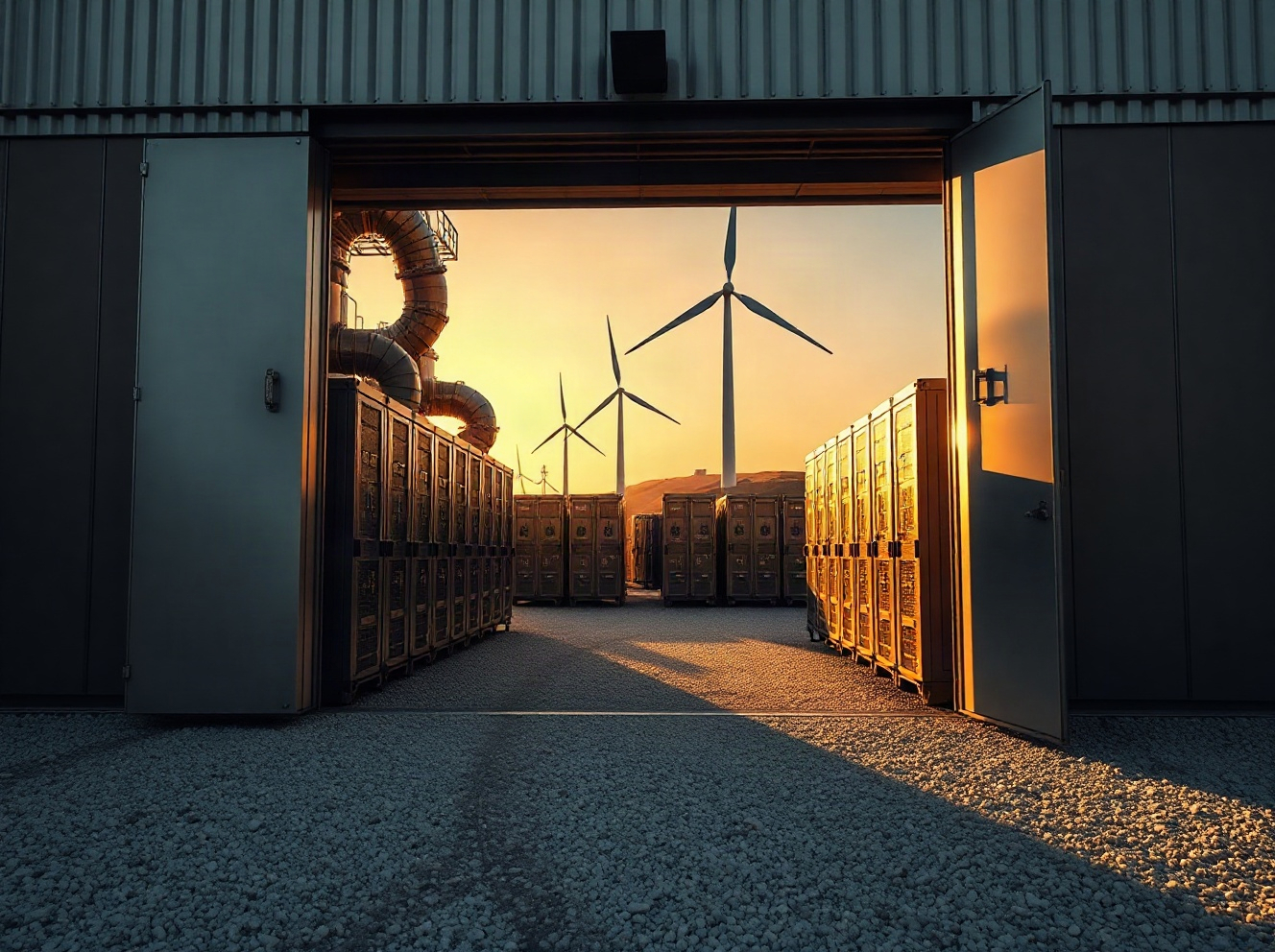 Bitdeer and Soluna Sign 28 MW Joint Mining Agreement at Texas Wind-Powered Facility
Bitcoin mining firm Bitdeer Technologies (BTDR) has entered into a 28 MW joint mining agreement with Soluna Holdings (SLNH), marking a strategic collaboration that will see the deployment of roughly 1.93 exahashes per second (EH/s) of computing power at a wind-powered data center in southern Texas.
The agreement, announced through a corporate statement, involves Bitdeer’s subsidiary Dory Creek, which plans to begin installing the company’s in-house SEALMINER A2 Pro Air mining machines at Soluna’s facility starting in September. Unlike traditional hosting arrangements where one party pays for space and power, this deal is structured as a joint mining operation, meaning both companies will share the revenue generated from the mining activities.
Strategic Rationale Behind the Joint Structure
The joint mining model represents a notable shift from the more common hosting agreements in the cryptocurrency mining sector. Under a typical hosting deal, the mining company pays a fixed fee for power and facility space while retaining all mined bitcoin. In this structure, both Bitdeer and Soluna share the upside and risk associated with mining output, aligning their incentives more closely with operational performance and bitcoin price movements.
For Bitdeer, this arrangement provides an opportunity to deploy its proprietary SEALMINER A2 Pro Air units without the full capital outlay typically associated with building or leasing dedicated mining infrastructure. The company has been working to expand its self-mining capacity while also selling its hardware to third parties. This deal allows Bitdeer to leverage Soluna’s existing renewable energy infrastructure in Texas, a region that has become a global hub for bitcoin mining due to its abundant wind and solar resources and deregulated energy market.
Soluna, which specializes in converting surplus renewable energy into computing power for cryptocurrency mining and AI applications, benefits from the deal by securing a high-quality customer for its wind-powered facility. The partnership helps Soluna monetize its energy assets while diversifying its revenue streams beyond pure hosting fees.
Timeline and Deployment Details
Installation of the SEALMINER A2 Pro Air units is scheduled to begin in September, with the 28 MW capacity expected to come online in phases. The deployment of approximately 1.93 EH/s represents a meaningful addition to Bitdeer’s overall mining fleet, though it remains a fraction of the company’s total installed capacity. The SEALMINER A2 Pro Air is Bitdeer’s latest generation mining machine, designed to offer improved energy efficiency compared to previous models, a critical factor in maintaining profitability amid fluctuating bitcoin prices and rising network difficulty.
The choice of a wind-powered facility is particularly significant given the ongoing scrutiny of bitcoin mining’s environmental footprint. By partnering with a renewable energy provider, Bitdeer can strengthen its ESG credentials while also potentially benefiting from lower and more stable electricity costs. Texas’s competitive energy market allows large industrial consumers to negotiate favorable power rates, and wind generation often produces excess power during off-peak hours that can be sold to miners at a discount.
Market Context and Industry Implications
The announcement comes at a time when the bitcoin mining industry is navigating several challenges, including reduced profit margins following the April 2024 halving event, which cut block rewards from 6.25 BTC to 3.125 BTC. Mining companies have been forced to seek more efficient hardware, cheaper power, and innovative partnership structures to maintain profitability. Joint mining agreements like this one represent an emerging trend as companies look to share risk and optimize capital deployment.
For Bitdeer, this deal also signals continued confidence in its proprietary hardware roadmap. The company has invested heavily in developing its own mining chips and machines, seeking to reduce dependence on external suppliers like Bitmain and MicroBT. Successfully deploying the SEALMINER A2 Pro Air at scale is critical to validating this strategy and demonstrating to investors that Bitdeer can compete on both hardware performance and operational efficiency.
The partnership also underscores the growing importance of renewable energy in the bitcoin mining sector. As institutional investors increasingly apply environmental, social, and governance (ESG) criteria to their investment decisions, mining companies that can demonstrate a commitment to sustainable energy sources are likely to have a competitive advantage in accessing capital and securing long-term contracts.
Conclusion
The Bitdeer-Soluna joint mining agreement represents a practical response to the evolving economics of bitcoin mining. By combining Bitdeer’s proprietary hardware with Soluna’s renewable energy infrastructure, both companies stand to benefit from a structure that shares risk and reward. The deal also highlights the ongoing consolidation and professionalization of the mining industry, as companies move beyond simple hosting arrangements toward more sophisticated partnerships that optimize for energy costs, hardware efficiency, and operational flexibility.
As installation begins in September, industry observers will be watching how the SEALMINER A2 Pro Air performs in a real-world deployment and whether this joint model gains broader adoption across the sector.
FAQs
Q1: What is the difference between a joint mining agreement and a hosting deal?A joint mining agreement involves both parties sharing the revenue generated from mining operations, as well as the associated risks and costs. In a hosting deal, the mining company pays a fixed fee for power and facility space while retaining all mined bitcoin. The Bitdeer-Soluna arrangement is structured as a joint mining deal, meaning both companies have aligned financial incentives.
Q2: Why is the facility located in southern Texas?Southern Texas offers abundant wind energy, a deregulated electricity market, and competitive industrial power rates. These factors make it one of the most attractive regions in the world for bitcoin mining, particularly for operations looking to utilize renewable energy sources. The region also has existing transmission infrastructure capable of supporting large-scale industrial power consumption.
Q3: What is the SEALMINER A2 Pro Air and why is it significant?The SEALMINER A2 Pro Air is Bitdeer’s in-house designed bitcoin mining machine. It represents the company’s effort to develop proprietary hardware that can compete with established manufacturers like Bitmain. Deploying these units at scale is important for Bitdeer to validate its hardware strategy and reduce reliance on third-party suppliers, which can help improve profit margins and supply chain security.
This post Bitdeer and Soluna Sign 28 MW Joint Mining Agreement at Texas Wind-Powered Facility first appeared on BitcoinWorld.