



BoE Interest Rate Unchanged: Iran War Threatens Inflation Surge
 BANK
BANK
 2026
2026
 IMX
IMX
 RSRV
RSRV
 SURGE
SURGE
BitcoinWorld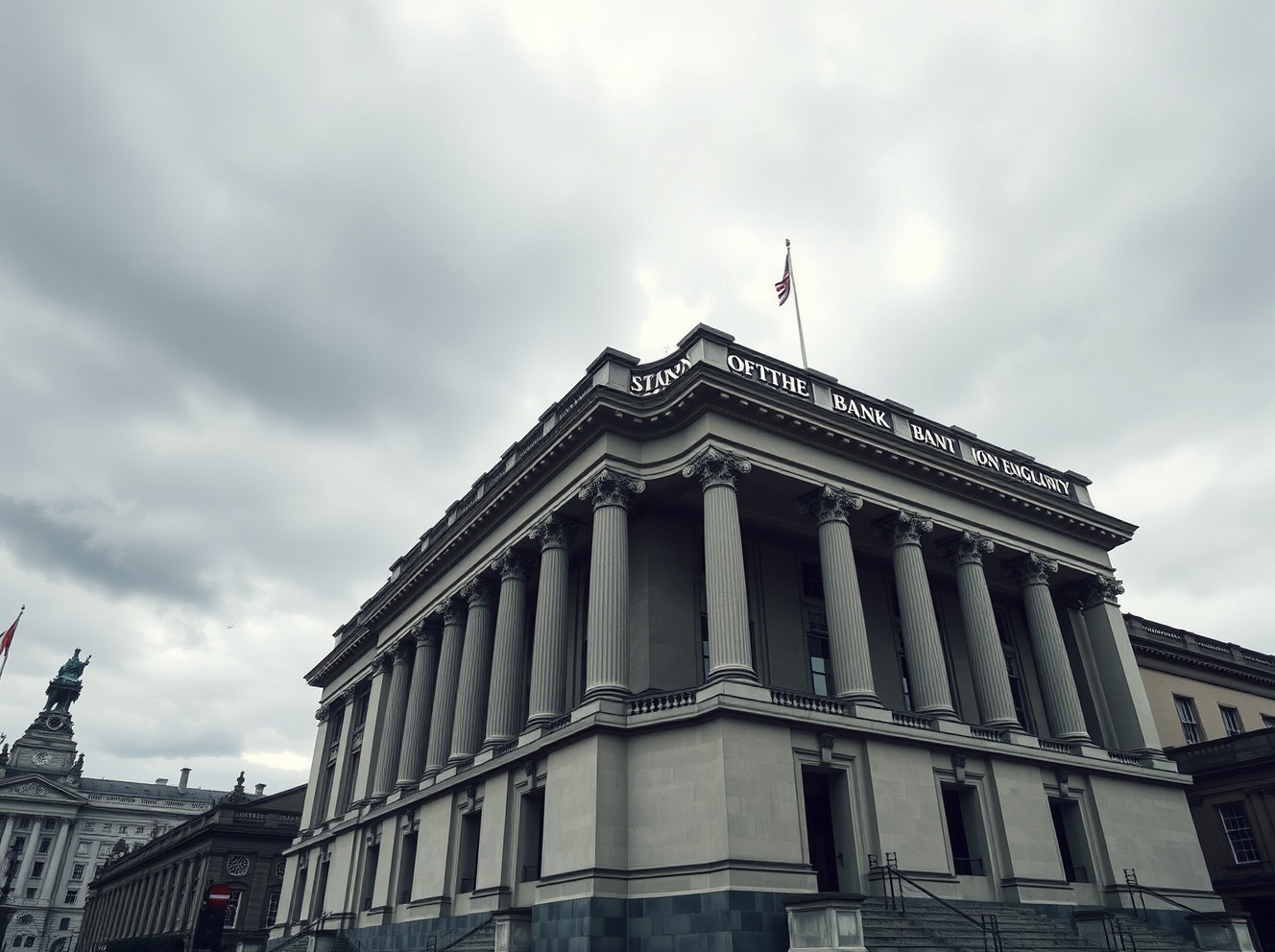
BoE Interest Rate Unchanged: Iran War Threatens Inflation Surge
The Bank of England (BoE) is widely expected to keep its interest rate unchanged at its upcoming meeting, as escalating conflict with Iran introduces fresh inflation risks to the UK economy. This decision comes at a critical juncture for the UK’s monetary policy, balancing persistent price pressures against slowing growth. London, UK — March 2025.
Why the BoE Interest Rate Unchanged Decision Matters Now
The BoE interest rate unchanged stance reflects a cautious approach. The Monetary Policy Committee (MPC) faces a complex landscape. Global energy prices are rising due to the Iran war. This directly impacts UK import costs. Consequently, the MPC must weigh these new inflation risks against domestic economic weakness. Holding rates steady provides stability. It also buys time for policymakers to assess the conflict’s full impact.
Inflation Risks from the Iran War
The Iran war introduces significant inflation risks through multiple channels. First, oil prices have spiked by over 15% since hostilities began. Second, supply chain disruptions in the Middle East affect global trade. Third, defense spending increases may fuel demand-side inflation. These factors complicate the BoE’s path to its 2% target. The MPC now expects inflation to remain above target for longer.
Impact on UK Monetary Policy 2025
The Bank of England rate decision shapes UK monetary policy 2025 direction. A hold signals the MPC prioritizes caution over aggressive easing. This contrasts with market expectations earlier this year. Many analysts predicted rate cuts by mid-2025. Now, those predictions appear premature. The inflation outlook UK has darkened considerably.
Key Factors Driving the Decision
- Energy costs: Rising oil and gas prices increase household bills.
- Supply chains: Red Sea disruptions delay goods and raise costs.
- Geopolitical uncertainty: Businesses delay investment decisions.
- Wage growth: Tight labor market keeps domestic price pressures high.
- Global spillovers: Other central banks also hold rates steady.
Comparing the BoE to Other Central Banks
The BoE’s decision aligns with the Federal Reserve and European Central Bank. All three institutions now emphasize patience. They all cite inflation risks from geopolitical events. However, the UK faces unique challenges. The UK imports a larger share of energy than the US. This makes the UK more vulnerable to oil price shocks. Therefore, the BoE interest rate unchanged stance carries higher stakes.
| Central Bank | Latest Rate | Expected Move |
|---|---|---|
| Bank of England | 4.75% | Hold |
| Federal Reserve | 5.50% | Hold |
| European Central Bank | 4.00% | Hold |
How the Iran War Reshapes the Inflation Outlook UK
The inflation outlook UK now depends heavily on the Iran war’s duration. A short conflict may cause a temporary spike. A prolonged war could embed higher prices into the economy. The BoE’s own forecasts show inflation staying above 3% through 2026 in a worst-case scenario. This forces the MPC to keep rates higher for longer. Homeowners and businesses must prepare for this reality.
Expert Perspectives on the Decision
Economists at major institutions largely agree with the hold decision. Dr. Sarah Chen, a former MPC advisor, notes: “The BoE has no room to cut rates now. The Iran war creates too much uncertainty.” Similarly, the Institute for Fiscal Studies warns that fiscal policy must support the BoE’s efforts. Without coordinated action, inflation risks could become entrenched.
Conclusion
The BoE interest rate unchanged decision reflects a prudent response to rising inflation risks from the Iran war. This Bank of England rate decision shapes UK monetary policy 2025 and the inflation outlook UK. Policymakers must navigate a narrow path between controlling prices and supporting growth. The coming months will test their resolve. Understanding these dynamics helps readers make informed financial decisions.
FAQs
Q1: Why is the BoE expected to keep interest rates unchanged?
The BoE faces rising inflation risks from the Iran war, which increases energy costs and supply chain disruptions. Holding rates steady provides stability while the MPC assesses the conflict’s full impact.
Q2: How does the Iran war affect UK inflation?
The Iran war pushes up oil and gas prices, disrupts global trade routes, and increases defense spending. These factors all contribute to higher inflation risks for the UK economy.
Q3: What is the current Bank of England interest rate?
The BoE’s base rate stands at 4.75% as of March 2025. The MPC is expected to maintain this level at its next meeting.
Q4: When will the BoE cut interest rates?
Rate cuts appear unlikely in the near term due to inflation risks from the Iran war. Most analysts now expect the first cut in late 2025 or early 2026.
Q5: How does the BoE’s decision compare to other central banks?
The BoE aligns with the Federal Reserve and European Central Bank in holding rates steady. All three prioritize caution amid geopolitical uncertainty.
This post BoE Interest Rate Unchanged: Iran War Threatens Inflation Surge first appeared on BitcoinWorld.
