



Crypto Ignores Bullish News as War Risk Takes Over — Why Bitcoin and Ethereum Are Falling Anyway
 ETH
ETH
 LONG
LONG
 BULLISH
BTC
BULLISH
BTC
 TOP
TOP
Crypto Market Drops Despite Strong Bullish Developments
The cryptocurrency market is showing a surprising contradiction. Despite a wave of bullish developments — from institutional accumulation to major adoption milestones — both Bitcoin and Ethereum have declined over the past 24 hours.
Bitcoin slipped below key levels near $70,000, while Ethereum saw even sharper losses, underperforming the broader market. This raises a critical question:
👉 Why is crypto falling despite positive news?
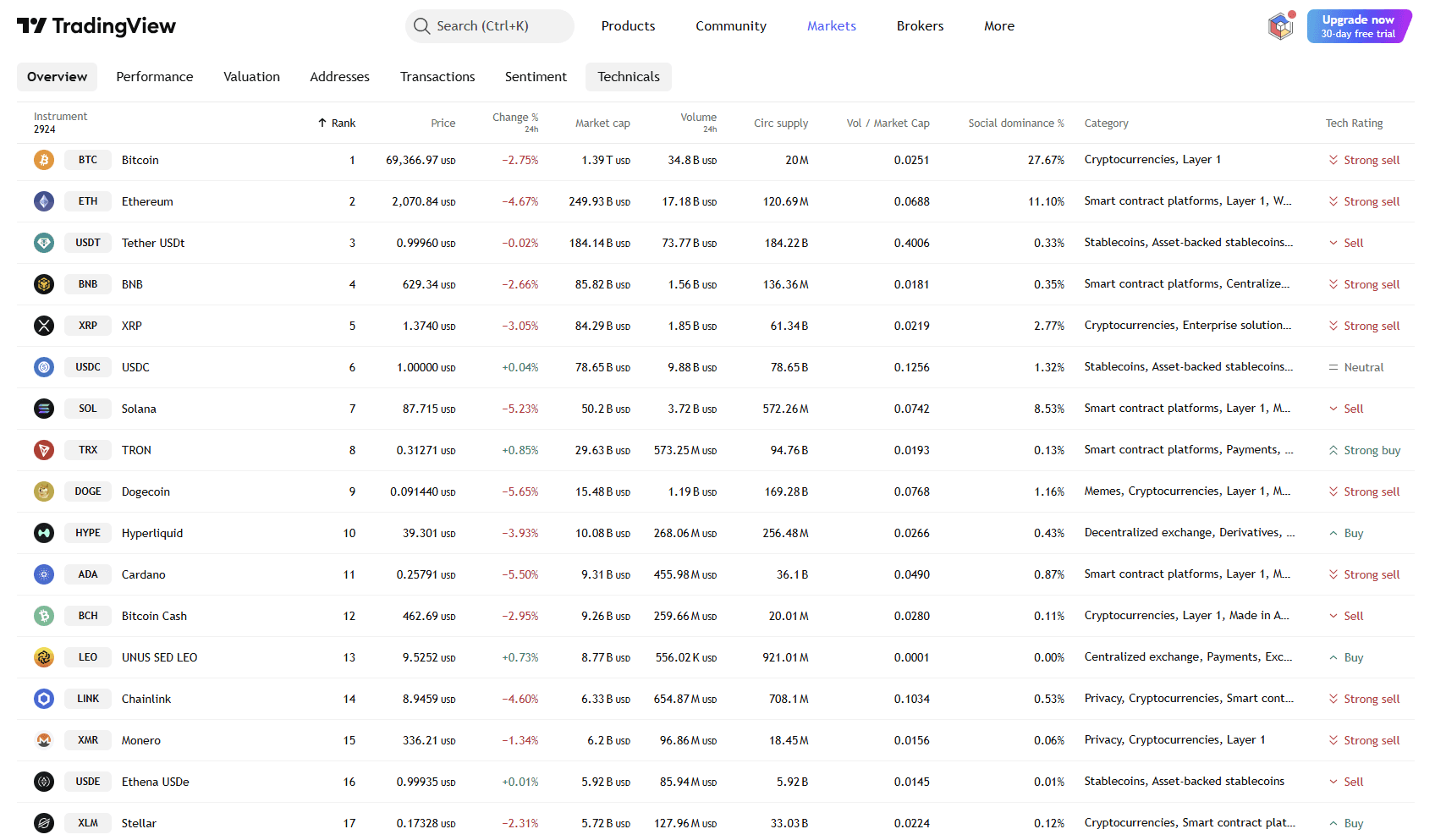
The answer lies beyond crypto itself.
Geopolitical Tensions Are Driving a Risk-Off Market
The biggest force currently impacting markets is not crypto — it is geopolitics.
Escalating tensions between the United States and Iran, combined with increasingly aggressive statements from Donald Trump, have injected uncertainty into global markets. Investors are now pricing in the risk of further conflict and potential economic disruption.
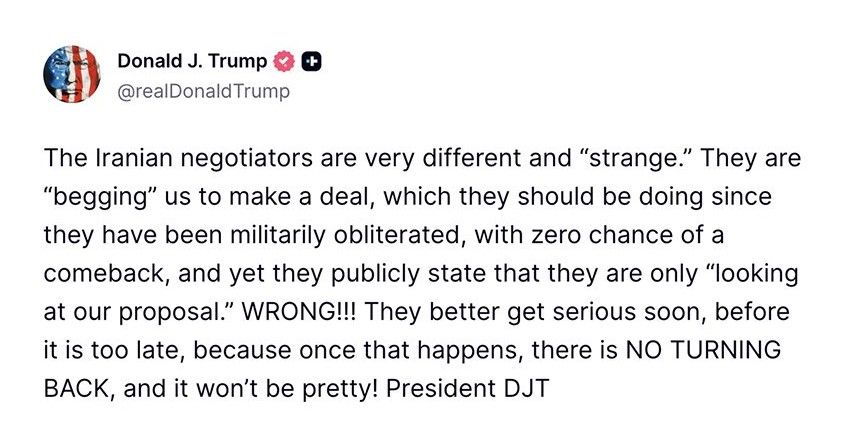
As a result:
- Oil prices are rising sharply
- Inflation fears are returning
- Investors are shifting away from risk assets
In this environment, crypto is behaving like a high-risk asset rather than a safe haven.
Markets Are Reacting to Headlines, Not Fundamentals
Recent price movements highlight a key shift in market behavior.
When headlines suggested a pause in military escalation, crypto surged. When tensions resumed, prices dropped almost immediately.
This pattern shows that:
- Short-term crypto movements are now headline-driven
- Macro sentiment outweighs crypto-specific developments
- Volatility is being dictated by global events
In other words, crypto is currently trading like a macro asset, not a standalone market.
Liquidations Are Accelerating the Downside
Beyond macro pressure, market structure is amplifying the drop.
A significant number of leveraged long positions were wiped out in recent sessions, triggering forced selling. This type of liquidation cascade often accelerates declines beyond what fundamentals would justify.
Ethereum, in particular, tends to experience stronger moves due to its higher volatility and heavier use in leveraged trading.
Bullish Crypto News Is Being Ignored (For Now)
Ironically, some of the most important bullish developments are happening at the same time.
One of the most significant is the reported move by Fannie Mae to accept crypto-backed mortgages, allowing users to leverage Bitcoin and other digital assets as collateral for home purchases.
This marks a major step toward real-world adoption and financial integration.
At the same time:
- Institutional players continue accumulating crypto
- Infrastructure for mainstream use is expanding
- Regulatory clarity is gradually improving
However, these developments are structural and long-term. They do not immediately impact short-term price movements, especially during periods of macro uncertainty.
Why Bitcoin and Ethereum Are Falling Right Now
The current market can be explained by three overlapping forces:
- Geopolitical escalation → driving risk-off sentiment
- Liquidity pressure → limiting upside momentum
- Liquidations → accelerating short-term declines
Together, these factors are overpowering bullish narratives and pushing prices lower.
Crypto Is Becoming a Macro Asset
A key takeaway from the current market environment is the evolving role of crypto.
Bitcoin is often described as “digital gold,” but recent price action suggests otherwise. In times of uncertainty, it is still treated as a risk asset similar to tech stocks.
However, beneath the surface, the foundation for long-term growth continues to strengthen.
This creates a paradox:
- Short term → driven by fear, macro, and liquidity
- Long term → supported by adoption and institutional growth
Outlook: Short-Term Pressure, Long-Term Opportunity
While the current environment remains uncertain, the broader trajectory for crypto has not changed.
If geopolitical tensions ease and liquidity conditions improve, bullish developments could quickly return to the forefront and drive the next move higher.
Until then, markets are likely to remain volatile and reactive to global headlines.
Conclusion
The recent drop in Bitcoin and Ethereum is not a rejection of crypto’s fundamentals — it is a reflection of a market dominated by macro forces.
Crypto is no longer trading in isolation. It is now deeply connected to global events, liquidity cycles, and investor sentiment.
And right now, those forces are pointing toward caution.
