The crypto industry spent the past two years trying to buy itself a friendlier Congress. On Tuesday, voters handed it a more complicated one. Democrats took control of both chambers in the 20
The crypto industry spent the past two years trying to buy itself a friendlier Congress. On Tuesday, voters handed it a more complicated one.
Democrats took control of both chambers in the 2026 midterms. They flipped Senate seats in Ohio, North Carolina, Texas and Maine, and held Georgia and New Hampshire.
The result reshapes the outlook for an industry that has grown close to President Donald Trump.
It also has spent roughly $200 million this cycle backing candidates it sees as allies.
Most of that money came through Fairshake, a super PAC network bankrolled largely by Coinbase, Ripple and venture firm Andreessen Horowitz, according to CNBC report.
A super PAC is a political committee that can raise and spend unlimited sums, as long as it doesn’t coordinate directly with candidates.
Ohio delivers the costliest loss
On paper, the night went fine for the industry. Fairshake had won 29 of the 34 races it spent on as of Wednesday, with several still uncalled.
The race that mattered most went the other way. In Ohio, Democrat Sherrod Brown beat Republican Sen. Jon Husted, about 50% to 45% with nearly all votes counted.
Brown is a former chair of the Senate Banking Committee and one of crypto’s most persistent critics in Washington. Crypto PACs spent more than $60 million trying to keep him out.
The industry did land a win in Nebraska. Republican Sen. Pete Ricketts held off independent Dan Osborn, a former union leader, after Fairshake and its affiliates spent at least $13.5 million against Osborn. Ricketts voted for the CLARITY Act.
The CLARITY Act is the industry’s top legislative priority. It is a bill that would set federal rules for which regulator oversees digital assets.
It cleared the House 294 to 134 in July 2025, then stalled in the Senate on Sept. 15, falling 49 to 50 on a procedural vote that needed 60.
With Democrats now holding both chambers, its path gets steeper, and the industry may face oversight hearings instead.
Markets shrug off the shift
Crypto prices dipped overnight as results came in, then recovered on Wednesday.
Bitcoin climbed back above $80,000, up about 3.1%. Bitcoin is the largest cryptocurrency by market value.
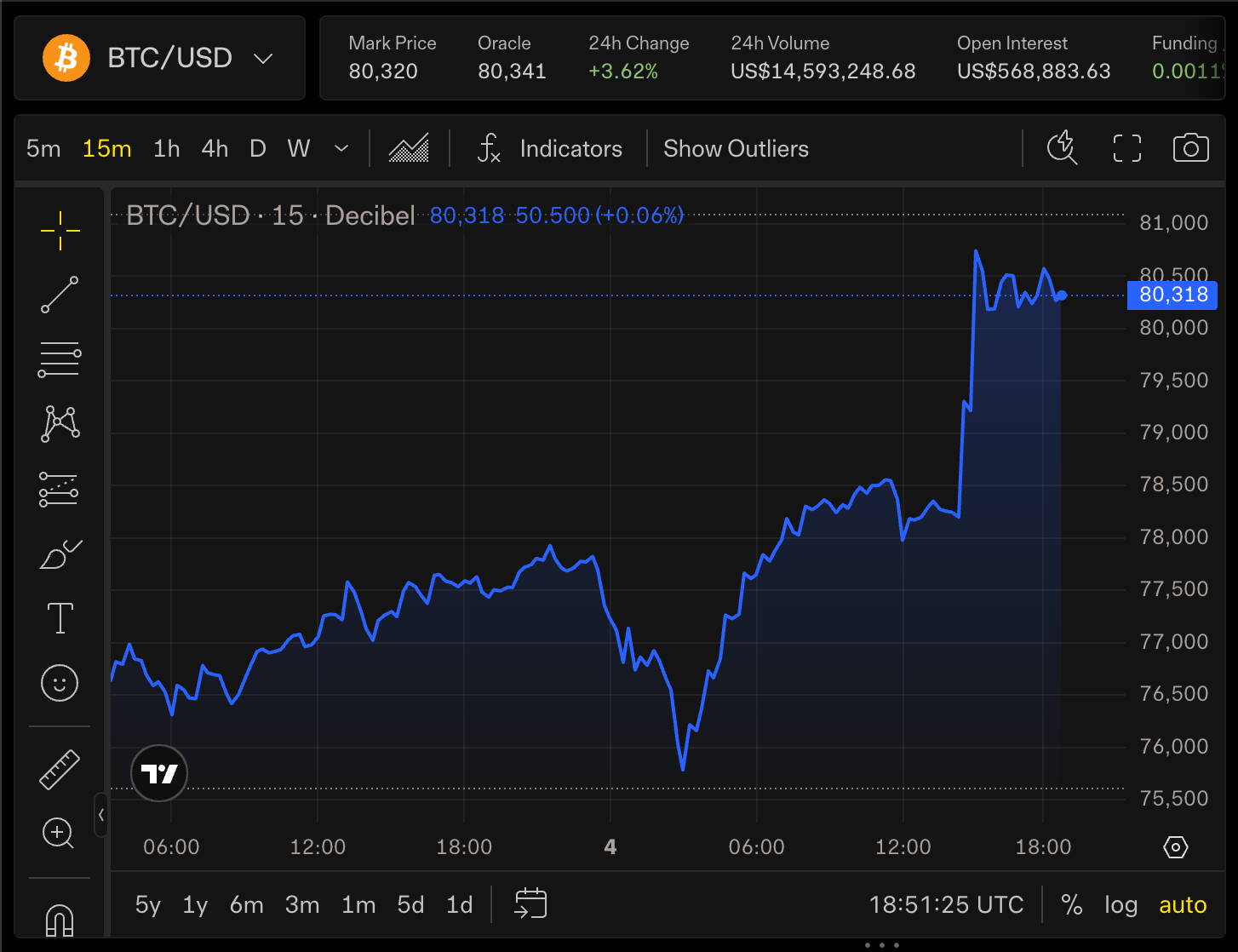
Bitcoin price at press time. Source:
Decibel
Winners and losers
Winners:
- Sherrod Brown (D-Ohio): The former Senate Banking Committee chair beat Republican Sen. Jon Husted, roughly 50% to 45%, to return to the Senate. Crypto PACs spent more than $60 million trying to stop him.
- James Talarico (D-Texas): The 37-year-old former teacher and state lawmaker defeated Republican Ken Paxton, 55% to 43%. Trump carried Texas by double digits two years ago. In 2025, Talarico voted for Texas’s Strategic Bitcoin Reserve law.
- Chuck Schumer (D-N.Y.): The Senate Democratic leader is set to become majority leader again. He recruited Brown and Roy Cooper, and both flipped Republican-held seats.
- Pete Ricketts (R-Neb.): The senator held off independent Dan Osborn, helped by at least $13.5 million in Fairshake spending against Osborn. Ricketts voted for the CLARITY Act.
- Byron Donalds (R-Fla.): The congressman won Florida’s governor race over Democrat David Jolly. In Congress, he introduced a bill to create a federal Bitcoin reserve.
- Abdul El-Sayed (D-Mich.): He beat Republican Mike Rogers for Michigan’s open Senate seat and becomes the first Muslim elected to the U.S. Senate.
- Annie Andrews (D-S.C.): The pediatrician flipped a Republican-held seat by beating Trump-backed Darline Graham. She is South Carolina’s first Democratic senator since 1998 and its first elected female senator.
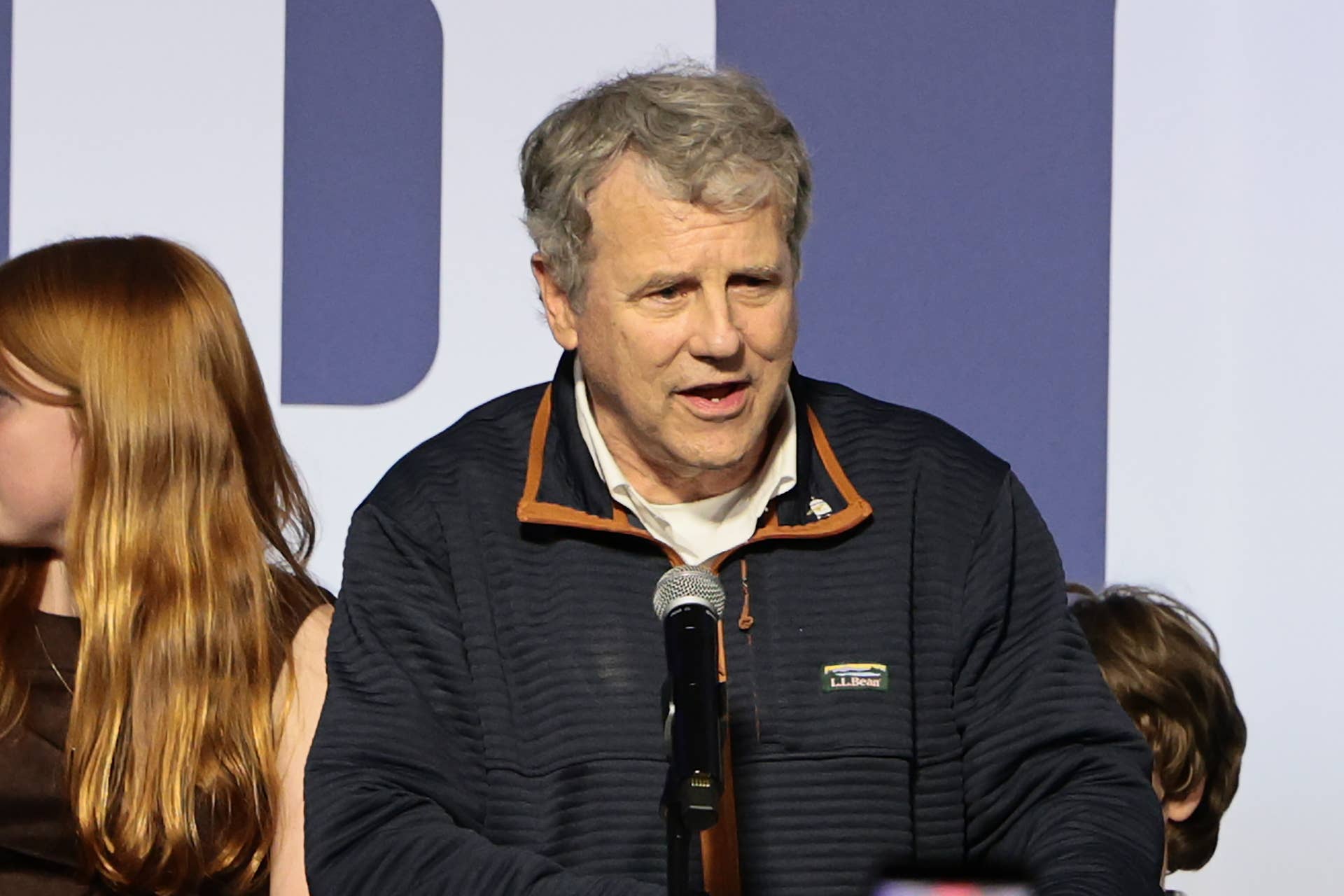
Ohio Democratic Senate candidate, former Sen. Sherrod Brown (D-OH) speaks during a midterm election night watch party at the Hilton Downtown Columbus on November 03, 2026 in Columbus, Ohio.
Getty Images
The short answer
On candidates, yes. On policy, no clear victory.
Fairshake-backed candidates won 29 of the 34 races the group spent on as of Wednesday, but the industry's biggest bet failed: crypto PACs spent more than $60 million against Sen. Sherrod Brown, and he won Ohio anyway.
The industry's top legislative goal, the CLARITY Act, now faces a steeper path with Democrats holding both chambers.
Bitwise and Strategy read the results
Bitwise Chief Investment Officer Matt Hougan saw the recovery as a sign of stability rather than partisanship. Bitwise is a crypto asset manager.
“It’s a relief rally because the election worked: No fighting, no drawn out legal battles,” he wrote on X.
In a follow-up, Hougan said the market was separating political tokens from the rest. TRUMP and WLFI are the memecoin and token tied to Trump’s crypto ventures.
“Assets that are directly impacted by election results are getting hammered ($TRUMP, $WLFI, AI-linked miners), while assets that are not ($BTC, $ETH, $SOL, etc.) are doing fine,” he wrote.
“A few years ago, people treated crypto as one big hot ball of money. Those days appear to be over.”
AI-linked miners are Bitcoin mining companies that have moved into renting computing power to AI firms.
Strategy Executive Chairman Michael Saylor focused on two states. Strategy is the largest corporate holder of Bitcoin.
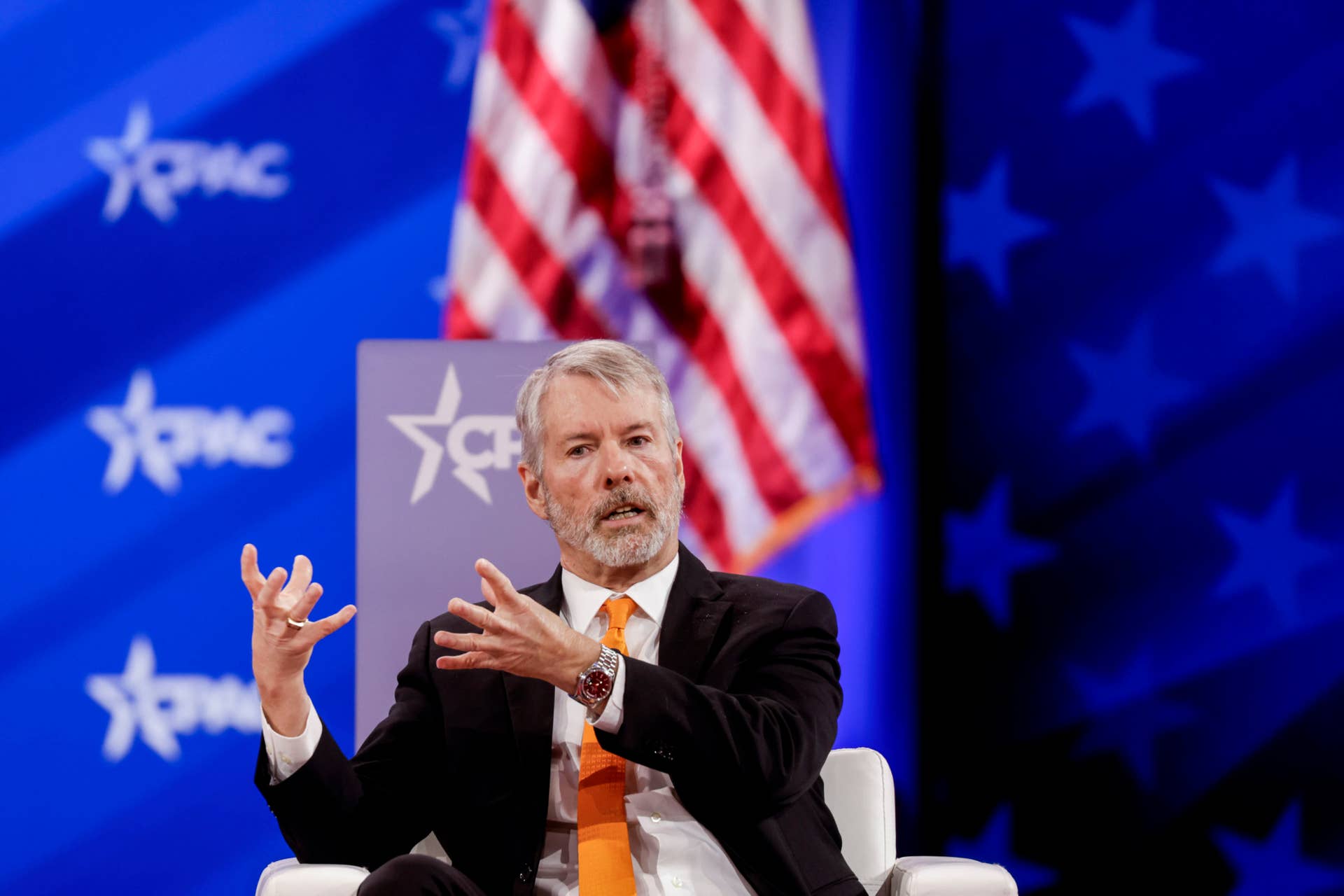
Michael Saylor, co-founder and executive chairman of MicroStrategy Inc., during the Conservative Political Action Conference (CPAC) on Feb. 20, 2025.
Bloomberg via Getty Images
“Florida elected a Republican governor who backed a U.S. Bitcoin reserve. Texas elected a Democratic senator who voted to create one for his state,” he posted.
Donalds introduced a federal Bitcoin reserve bill in Congress. Talarico voted for Texas’s reserve law, SB 21, as a state representative in 2025.
For an industry that has courted both parties, Saylor’s point may be the most useful takeaway.
The next Congress will be friendlier to crypto’s critics, but support for Bitcoin itself didn’t break neatly along party lines on Tuesday.
Here’s how election night unfolded, as we tracked it:
Race calls are projections by the Associated Press. Winners are not official until states certify results.
12:05 a.m. ET | Democrat James Talarico has won the U.S. Senate race in Texas, defeating Republican Ken Paxton, the state attorney general who beat Sen. John Cornyn in the May Republican primary runoff.
Talarico voted yes on Texas' strategic Bitcoin reserve bill as a state representative and says he supports "clear, fair rules for cryptocurrency." Stand With Crypto rates him "strongly supports crypto."
9:16 p.m. ET | Republican Andy Barr has won the U.S. Senate race in Kentucky, and the Senate gains one of the House's reliable crypto votes.
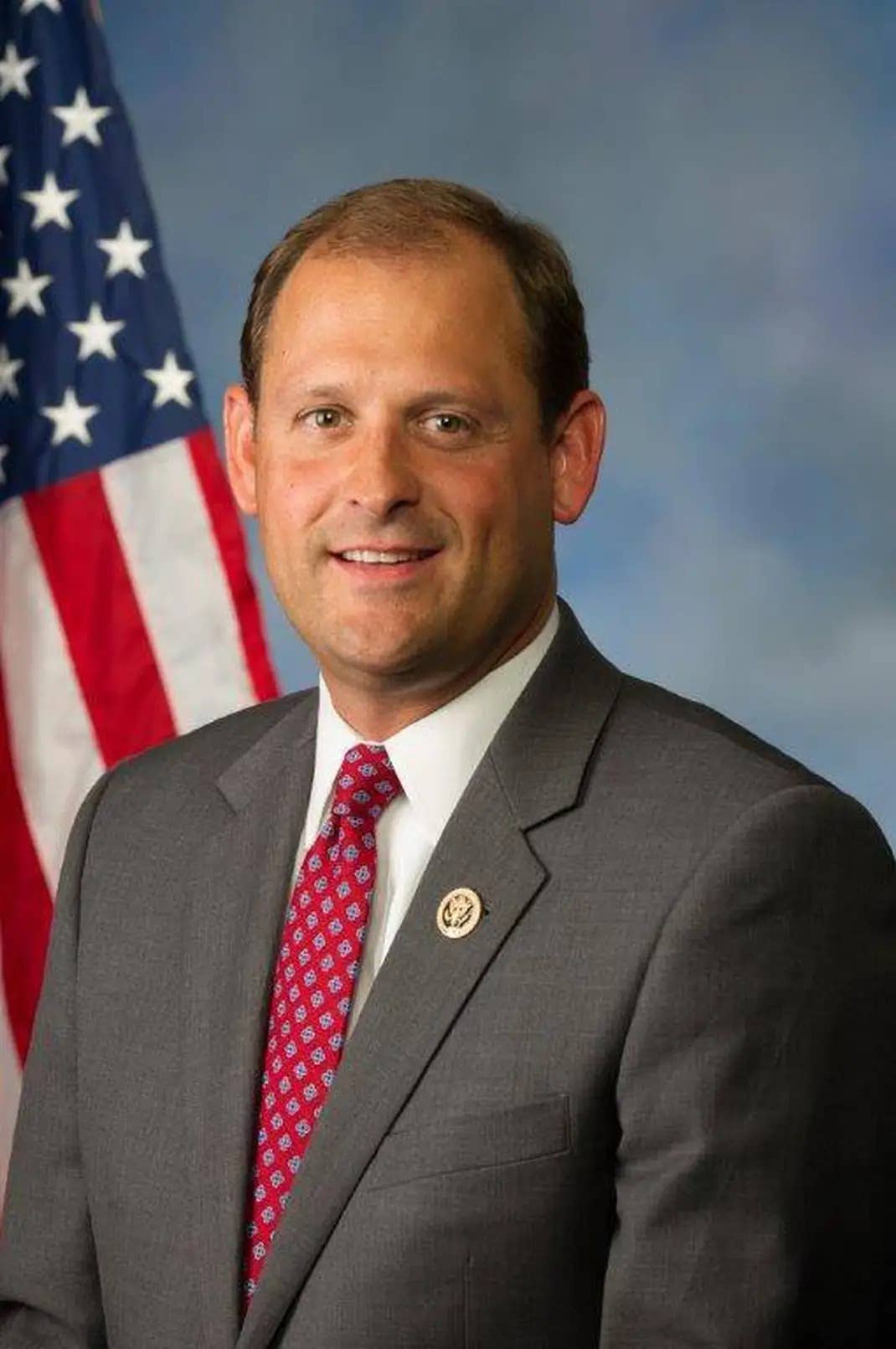
Andy Barr. (United States Congress)
Barr voted yes on all three of the House's July 2025 crypto bills - the CLARITY Act, the GENIUS Act and the Anti-CBDC Surveillance State Act - according to House Clerk roll calls.
He praised the GENIUS Act for "ushering in American crypto and digital asset dominance" in a statement on his House website. Barr takes the seat of Sen. Mitch McConnell, who announced last year he would not seek reelection.
9:09 p.m. ET | Republican Harriet Hageman has won the U.S. Senate race in Wyoming, keeping the seat of retiring Sen. Cynthia Lummis in allied hands.
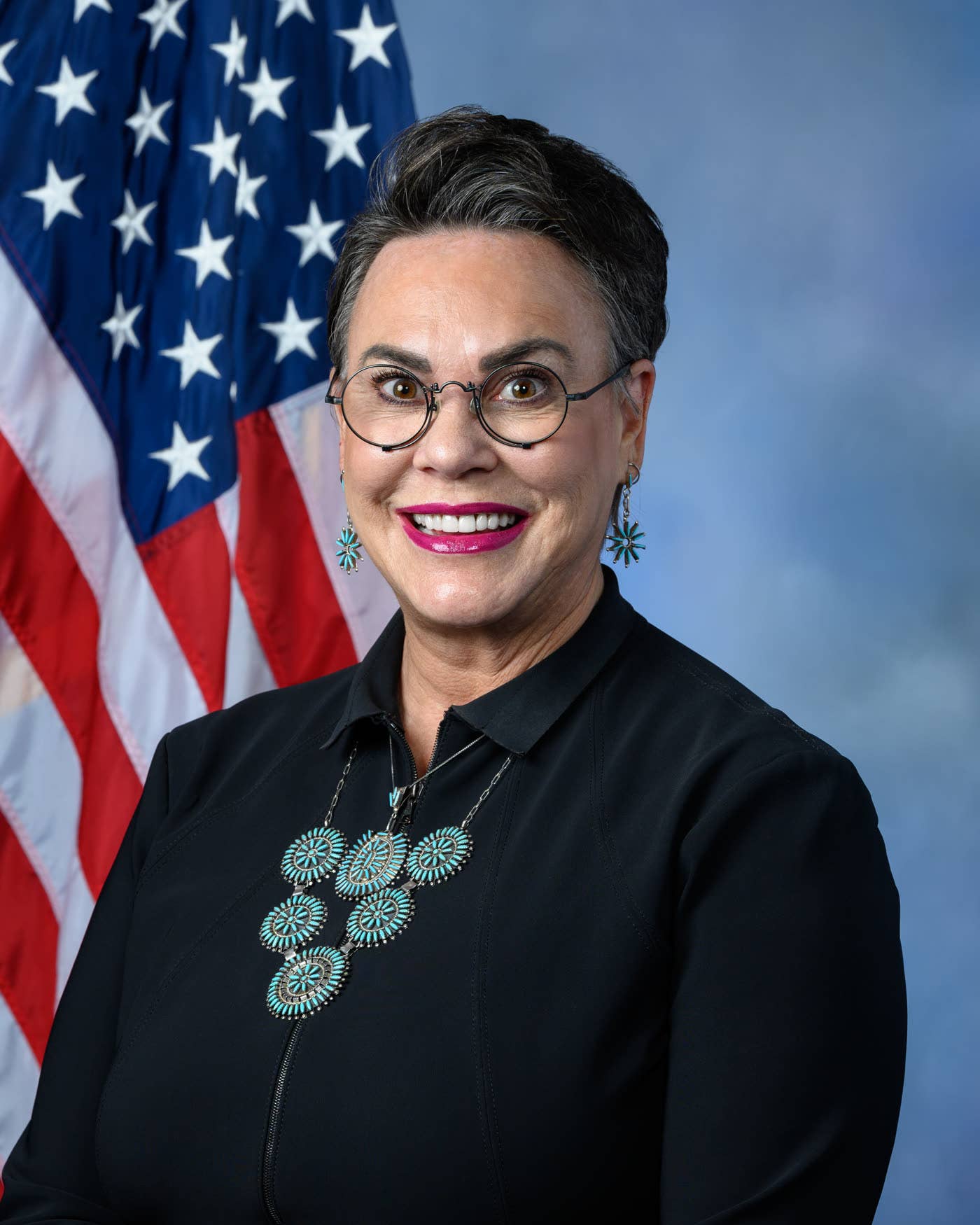
Harriet Hageman. (US House of Representatives)
In the House, Hageman voted yes on all three July 2025 crypto bills: the CLARITY Act, the GENIUS Act and the Anti-CBDC Surveillance State Act, according to House Clerk roll calls (199, 200, 201).
Lummis, who spoke on the Senate floor for the CLARITY Act the day of its failed September vote, announced in December she would not seek reelection.
8:26 p.m. ET | Democratic Sen. Ed Markey has won reelection in Massachusetts, defeating Republican John Deaton, a lawyer who built his campaign around passing the CLARITY Act.
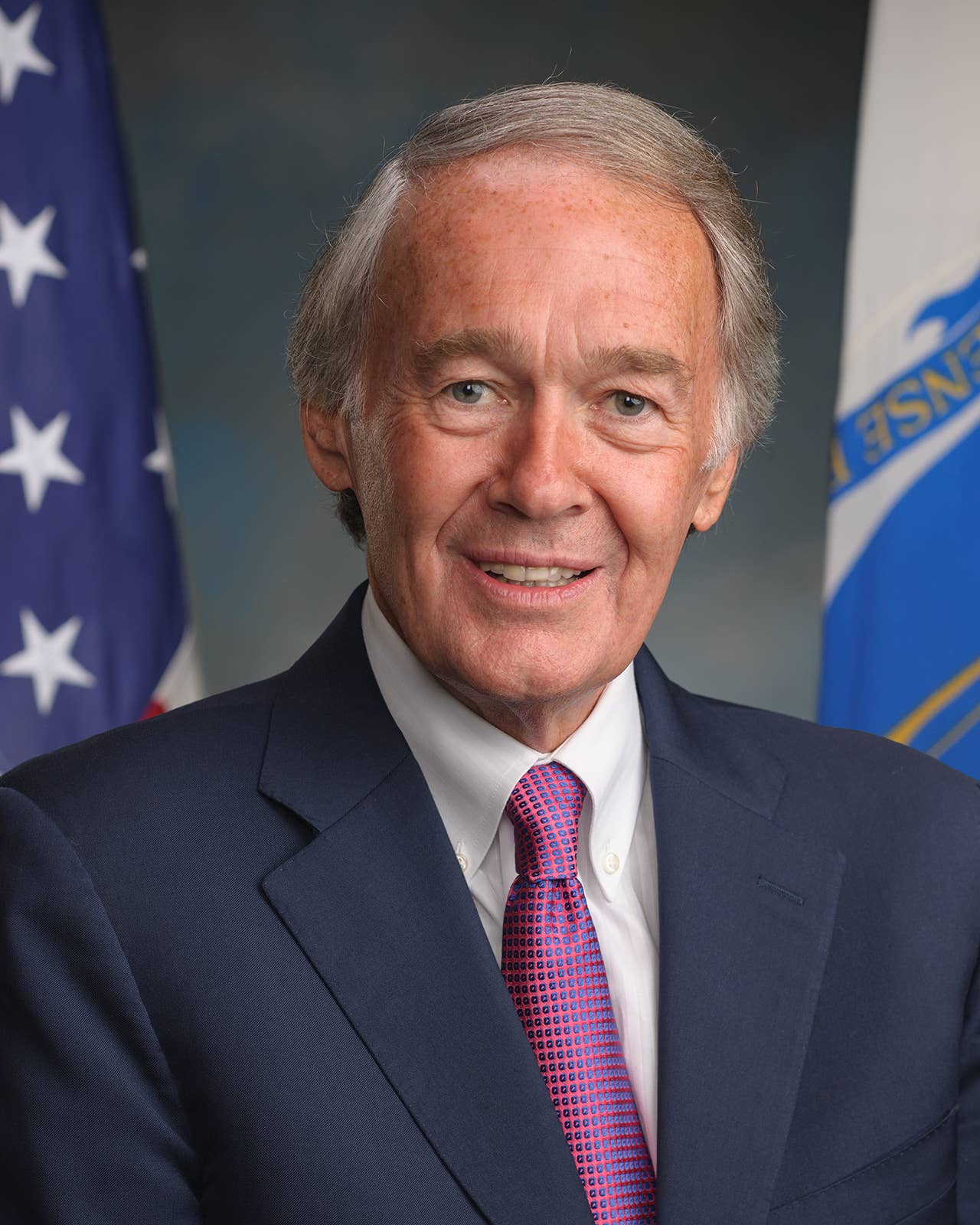
Ed Markey. (U.S. Senate Photographic Studio)
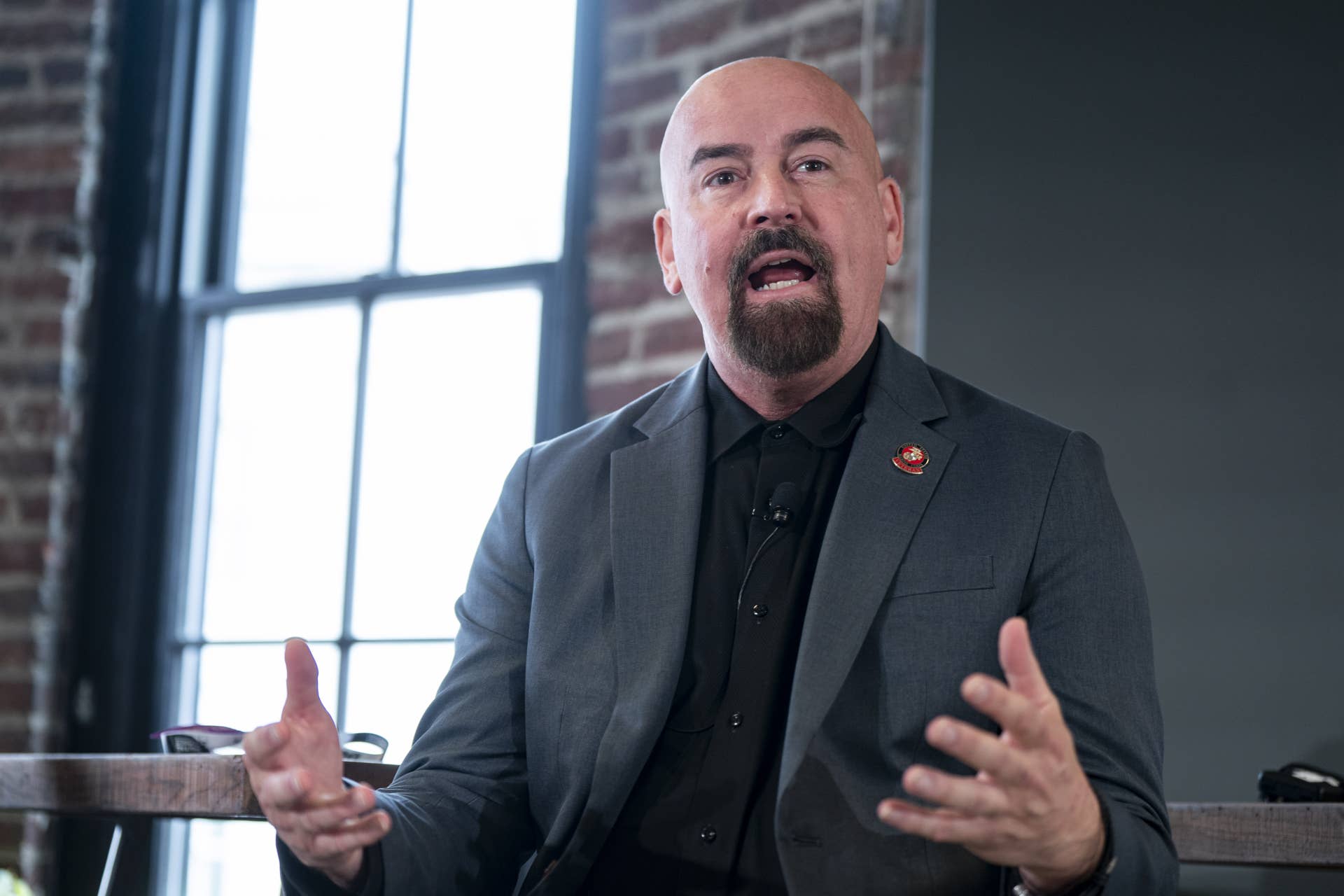
John Deaton. (Al Drago/Bloomberg via Getty Images)
Deaton's campaign site is built around the Sept. 15 roll call that blocked the bill, and describes Deaton as having been "in the courtroom for holders years before it was convenient."
Markey voted against beginning debate on the CLARITY Act, according to the Senate's official roll call, and he was not among the 17 Democrats who voted for the GENIUS Act last year, according to the Senate's record of that vote.
Stand With Crypto rates him "strongly against crypto," citing 14 of his statements.
8:26 p.m. ET | Democrat Juliana Stratton has won the U.S. Senate race in Illinois, defeating Republican Don Tracy.
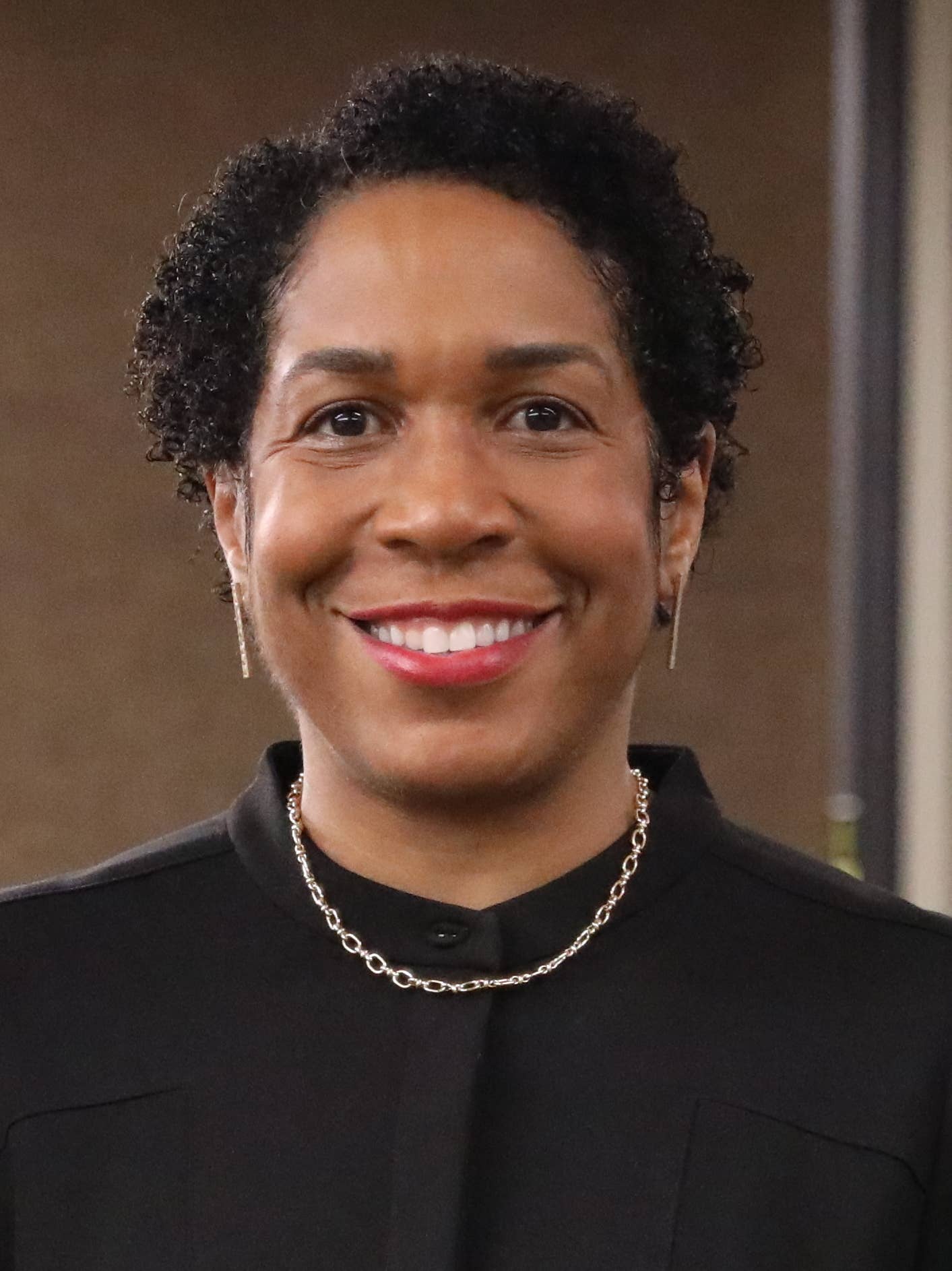
Juliana Stratton. (Sgt. Trenton Fouche/U.S. Army)
Stratton has never cast a vote on a crypto bill. Her one documented crypto statement is a March 3 post on X accusing allies of her Democratic primary opponent, Rep. Raja Krishnamoorthi, of being "MAGA-backed crypto bros" who were "dumping $7 million into this race to try to stop me."
Stand With Crypto rates her "strongly against crypto" based on that single statement; its record lists zero crypto votes for her.
8:26 p.m. ET | Democratic Sen. Jon Ossoff has won reelection in Georgia, defeating Republican Rep. Mike Collins. Updated unofficial counts on Georgia's official portal showed Ossoff leading 60.2% to 39.8%, with 137 of 159 localities reporting.
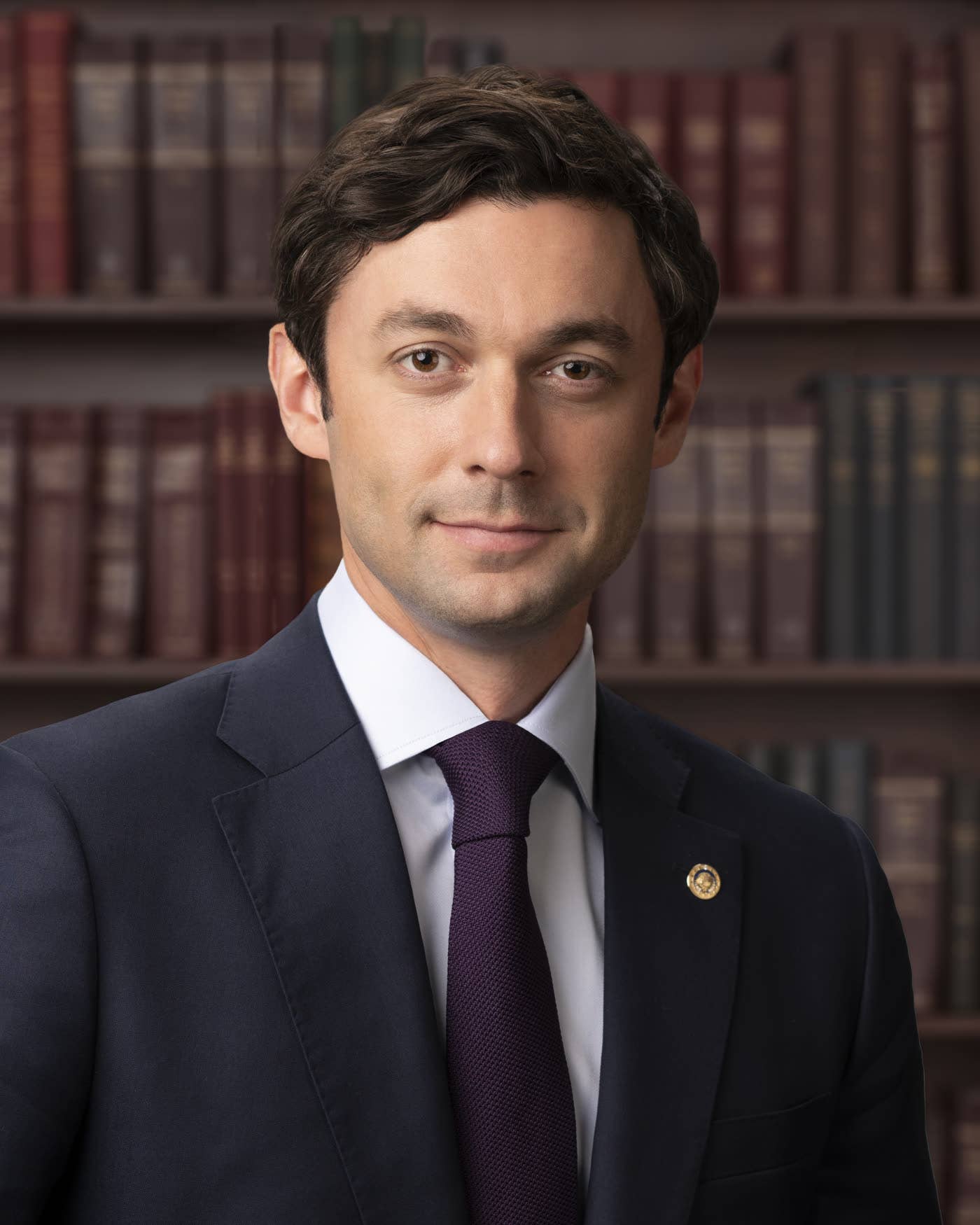
Jon Ossoff. (U.S. Senate Photographic Studio)
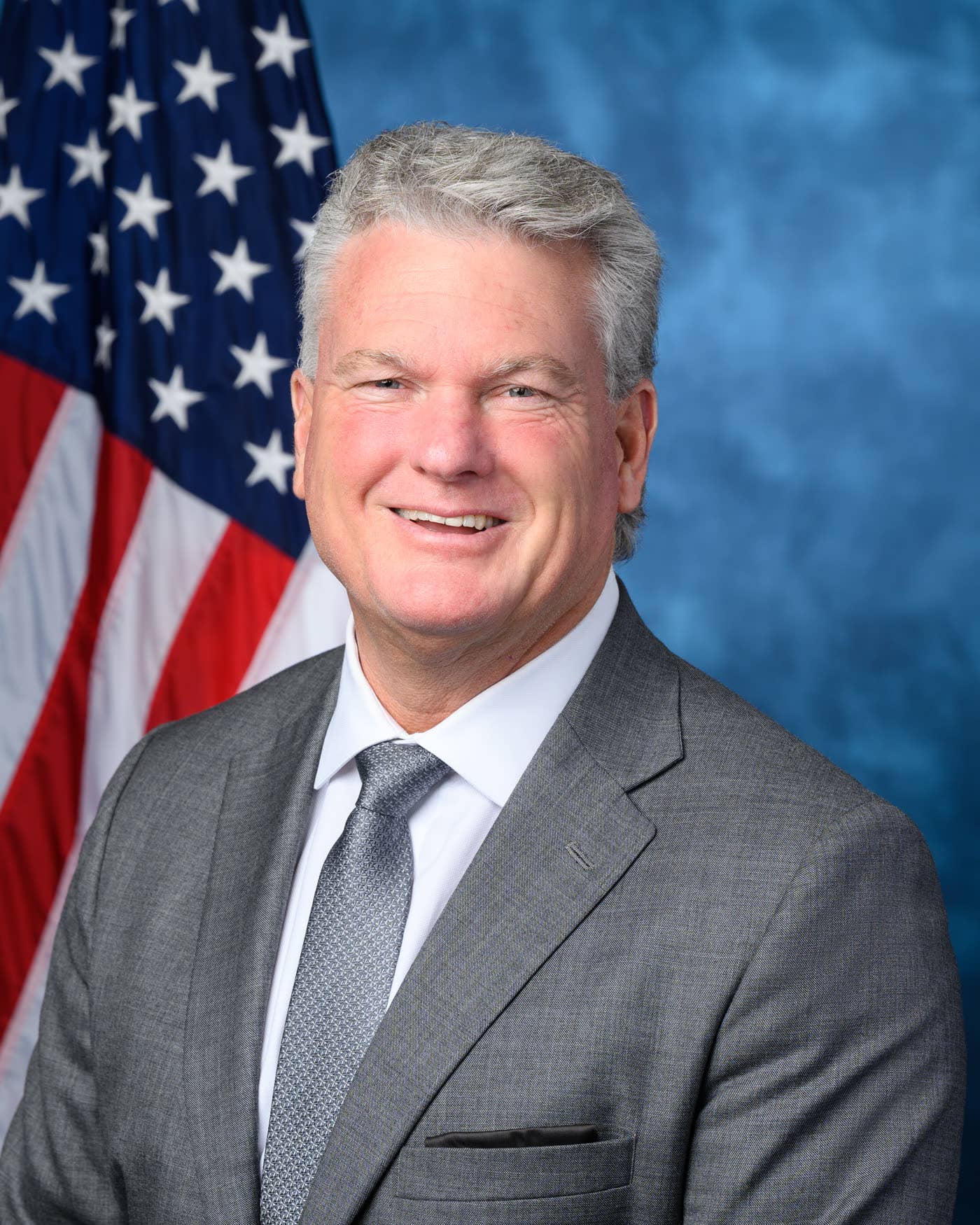
Mike Collins. (United States Congress)
Ossoff voted for the GENIUS Act last year but joined every voting Senate Democrat in September in opposing the start of debate on the CLARITY Act.
His signature crypto effort is an ethics one: in June he sought unanimous consent to ban senators from trading stocks or cryptocurrency starting in 2027. Sen. Cynthia Lummis objected, blocking the resolution. Ossoff says he holds his own portfolio in a blind trust.
8:26 p.m. ET | Democrat Roy Cooper has won the U.S. Senate race in North Carolina.
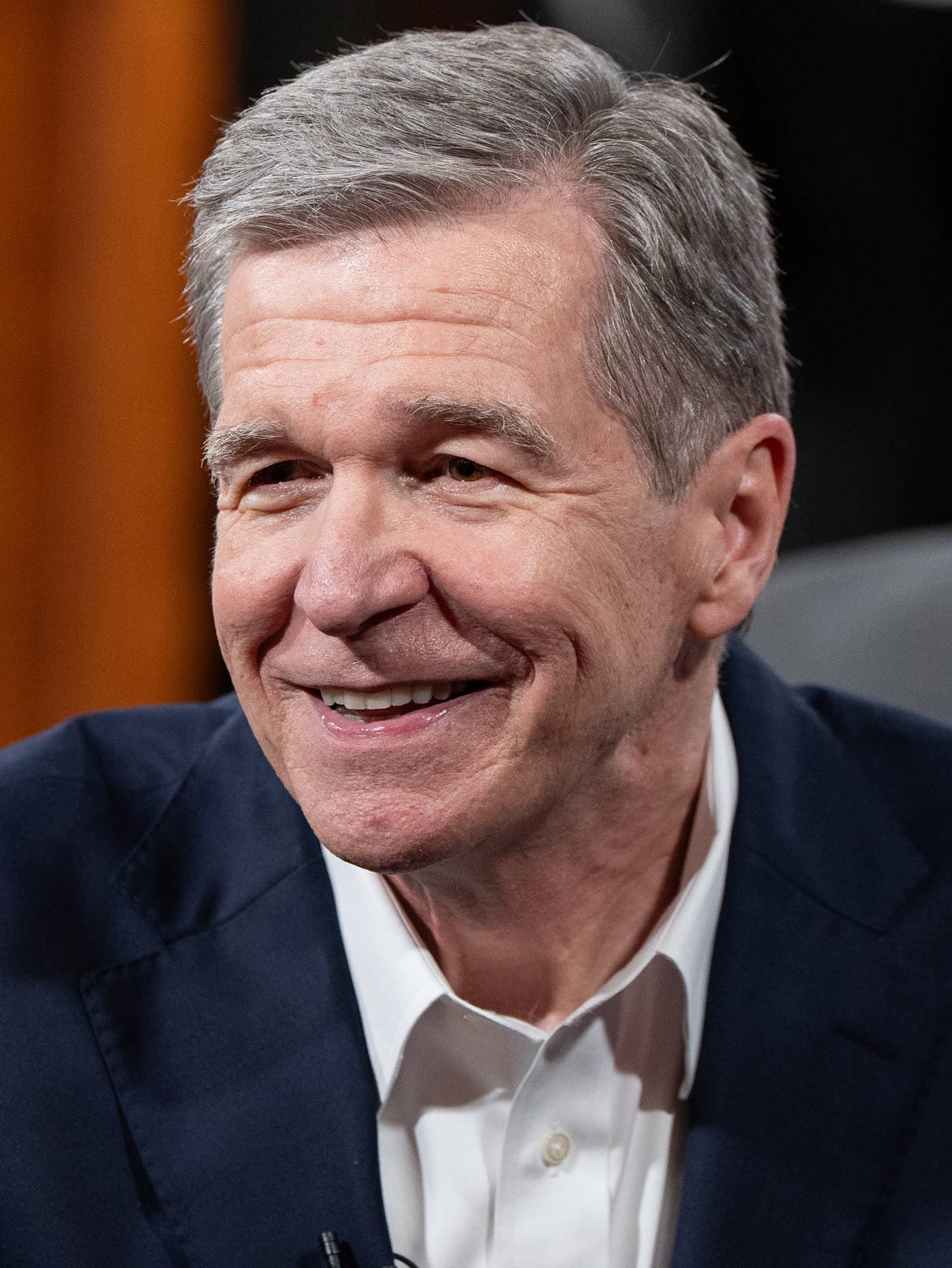
Roy Cooper. (
His crypto record is a veto: as governor in July 2024, he rejected a bill that would have barred a Federal Reserve digital currency from being used for payments to the state, calling the measure "premature, vague and reactionary" and arguing North Carolina should wait for federal standards before acting on digital assets.
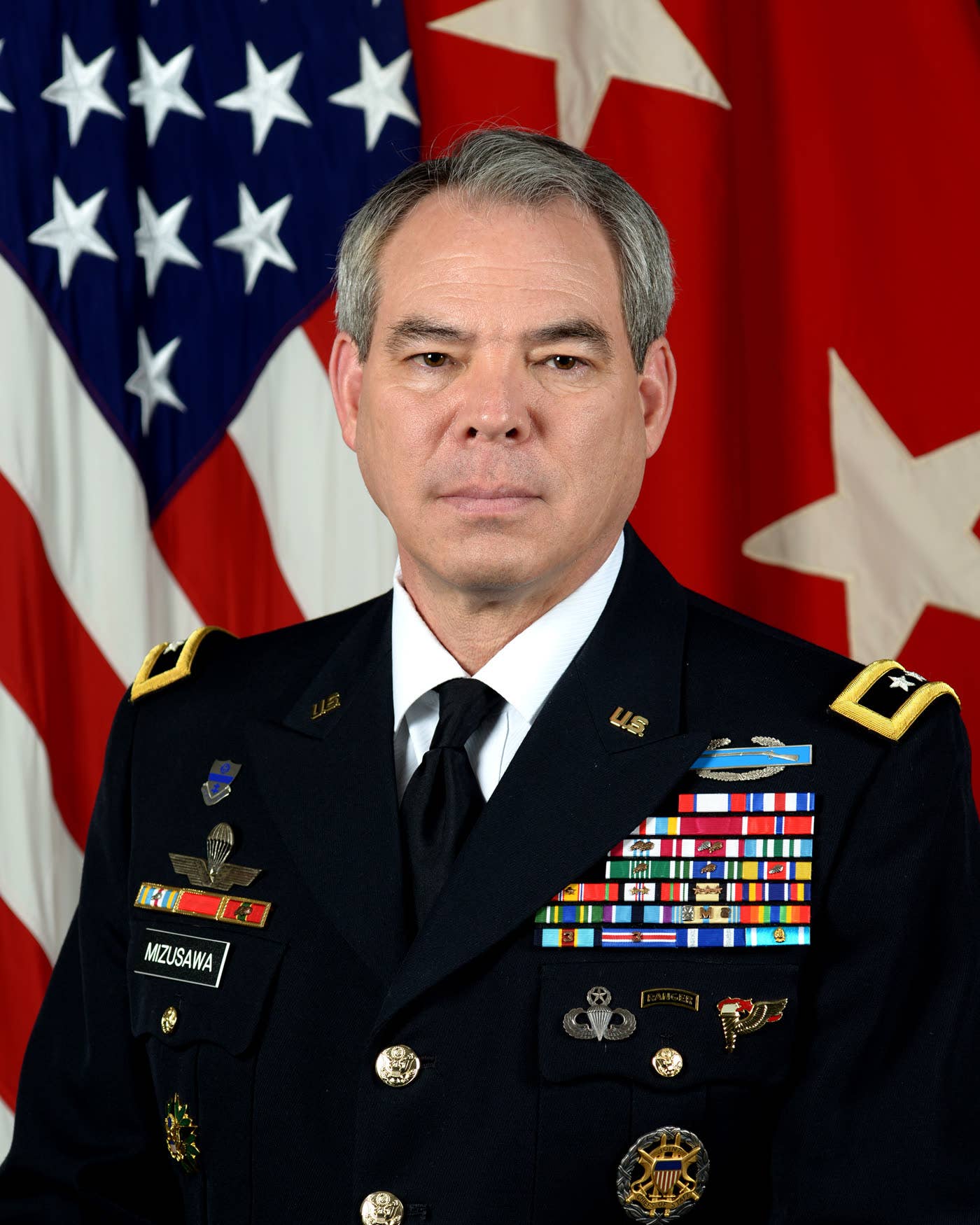
8:20 p.m. ET | Democratic Sen. Mark Warner has won reelection in Virginia, defeating Republican Bert Mizusawa in the first Senate call of the night.
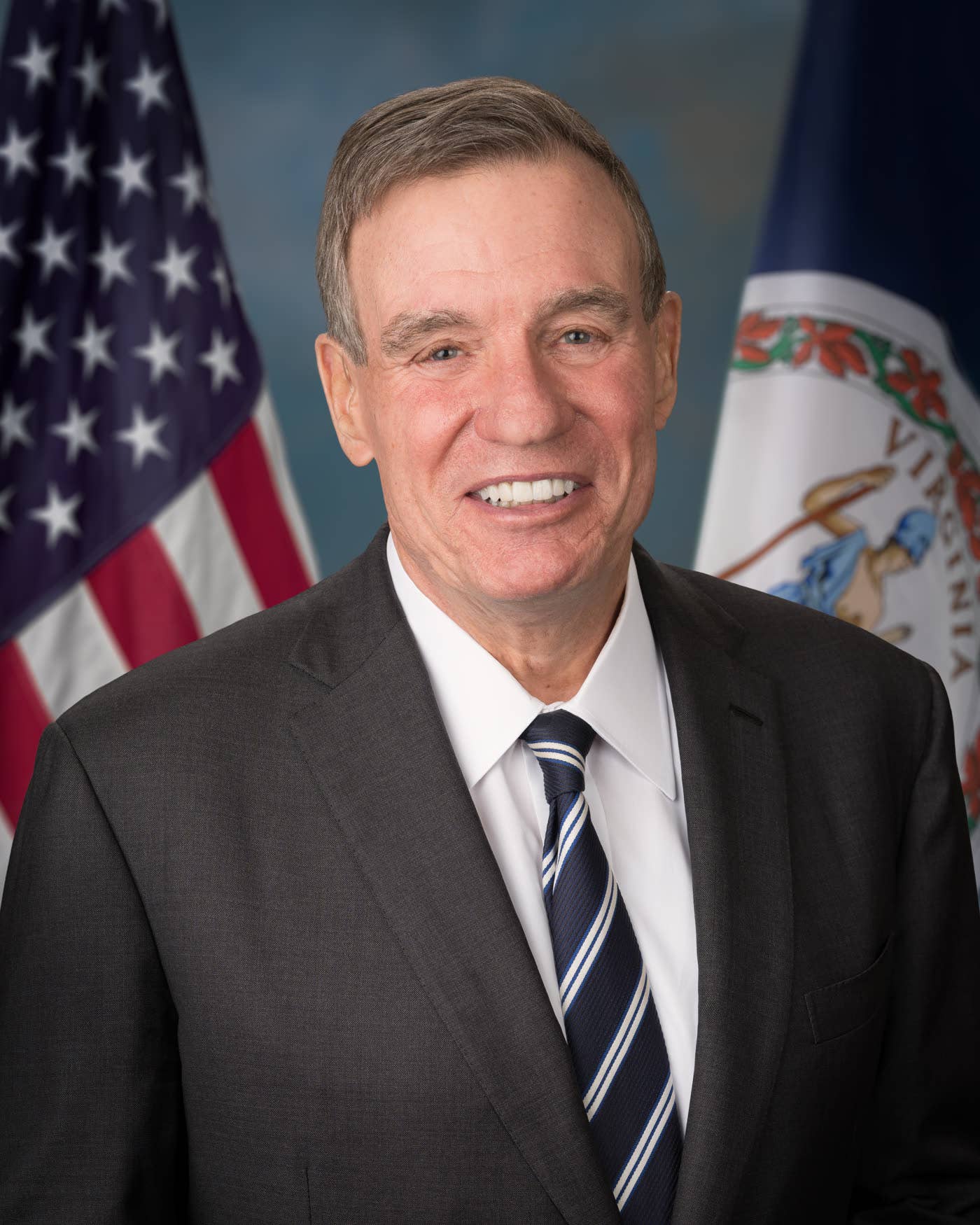
Mark Warner. (Ryan Donnell/U.S. Senate)
Bert Mizusawa. (U.S. Army)
Warner voted for and publicly championed the GENIUS Act, the first major U.S. crypto law, saying it would "finally begin to set the rules of the road to support innovation while protecting consumers and our national security."
Before politics, he was an early investor in the cellular telephone business and co-founded the company that became Nextel, according to his Senate biography. Like every Senate Democrat who voted, he opposed beginning debate on the CLARITY Act in September.
What crypto had riding on the vote
The industry's top priority is the Digital Asset Market Clarity Act, a bill that would set out how federal agencies oversee crypto markets. The House passed it 294 to 134 on July 17, 2025, with 78 Democrats voting yes, according to the House Clerk's roll call.
The Senate Banking Committee advanced the bill 15 to 9 on May 14, 2026, after what Chairman Tim Scott called nearly a year of bipartisan negotiations. But on Sept. 15 the Senate fell 11 votes short of the 60 needed to begin debate, 49 to 50. A motion to reconsider was left pending.
Congress passed the industry's first major U.S. law last year. The GENIUS Act, which sets rules for dollar-backed crypto tokens known as stablecoins, was signed into law on July 18, 2025, according to the White House.
The Senate Banking Committee writes most crypto legislation. With Democrats taking the Senate and Brown, the committee’s former chair, returning, its membership next year will shape whether the bill gets another chance.
The money behind the midterms
A super PAC can raise and spend unlimited sums to support or oppose candidates, but it cannot donate directly to campaigns or coordinate with them. Fairshake, the largest crypto industry committee, is registered with the Federal Election Commission as an independent-expenditure-only committee.
FEC filings show the three committees in the Fairshake network reported about $136.9 million in independent expenditures this election cycle in filings covering activity through Oct. 14.
The network’s Defend American Jobs committee, which generally supports Republicans, reported about $88.3 million. Protect Progress, which generally supports Democrats, reported about $29.2 million. Fairshake itself reported about $19.4 million, and has raised about $138.2 million this cycle.
The races crypto watched
Ohio Senate. The AP has called this race for Democrat Sherrod Brown. Republican Sen. Jon Husted, appointed by Gov. Mike DeWine in January 2025 to the seat Vice President JD Vance left for the White House, lost to Brown, who chaired the Senate Banking Committee until 2025. Stand With Crypto rates Brown "strongly against crypto," citing 17 of his statements and his 2024 vote against overturning SAB 121, an SEC accounting bulletin that made it harder for banks to hold crypto for customers.
Maine Senate. Republican Sen. Susan Collins faces Democrat Troy Jackson. Collins voted against beginning debate on the CLARITY Act, warning in a statement that it could "cause community banks and credit unions to lose deposits that are the foundation for loans for mortgages, small businesses, and other family needs." Jackson told Stand With Crypto he supports a clear regulatory framework, an end to the debanking of lawful crypto businesses and Americans' right to self-custody digital assets; the group rates him "strongly supports crypto." Maine uses ranked-choice voting, which can slow final results.
Texas Senate. The AP has called this race for Democrat James Talarico over Republican Ken Paxton. See the 12:05 a.m. ET entry above.
Nebraska Senate. Republican Sen. Pete Ricketts, rated "strongly supports crypto" by Stand With Crypto - it cites nine votes, including advancing the CLARITY Act out of the Banking Committee and backing the GENIUS Act - faces independent Dan Osborn.
Polls have also closed in Michigan and Minnesota. None of these races had been called by the AP as of 9:40 p.m. ET.
Disclaimer: This article is for informational purposes only and does not constitute financial advice. Cryptocurrency investments are highly volatile and risky. Always conduct your own research before making any investment decisions.