DOG Mode is a proposed Bitcoin client configuration that relaxes a node's default forwarding policy, changing which transactions a node will relay across the peer-to-peer network without alte
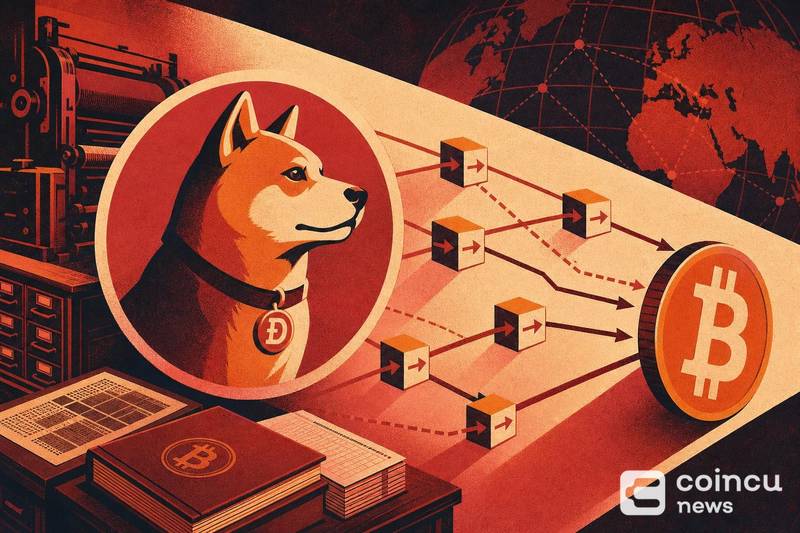
DOG Mode is a proposed Bitcoin client configuration that relaxes a node's default forwarding policy, changing which transactions a node will relay across the peer-to-peer network without altering Bitcoin's consensus rules. The distinction matters: a looser default relay policy affects how transactions propagate, not what counts as a valid block or transaction.
The core claim behind DOG Mode is narrow. It adjusts the defaults a node uses when deciding whether to accept and forward an unconfirmed transaction to its peers. A node's forwarding policy, sometimes called relay or mempool policy, is a set of local rules that govern which transactions sit in the mempool and get gossiped onward. For related coverage, see Bitcoin ETFs Add $79.15M as Ethereum ETFs Lose $28.04M.
Those policy rules are not part of Bitcoin's consensus. This is a change to network behavior, not a fork. The framing has been discussed alongside Runestone's plan for a DOG Mode Bitcoin client that would bypass BIP 110 limits on non-financial data, which sits in the same relay-policy debate. For related coverage, see Binance Wallet Adds Multiple Launchpad Filters for Robinhood Chain.
Forwarding Policy vs. Consensus Rules: The Critical Difference
When a wallet broadcasts a transaction, it reaches one node, which checks the transaction against its local policy and, if satisfied, relays it to other nodes. This gossip process is how a transaction travels the network before a miner includes it in a block. For related coverage, see Elizabeth Warren Presses Trump to Reveal Crypto Holdings Within a Week.
Consensus rules are different. They define what a valid block and transaction are, the rules every node must agree on to keep a single shared chain, including limits codified in proposals like BIP 110. For related coverage, see Kaspersky Discloses OkoBot Malware Targeting Crypto Investors.
A non-consensus policy change does not redefine which blocks or transactions are valid. A node running a relaxed forwarding policy will still reject any block or transaction that breaks consensus rules; it only changes what it is willing to relay before confirmation.
Why Relaxing Default Relay Policy Could Matter for Node Operators
A looser default forwarding policy could change how certain transactions propagate. Transactions that a stricter default might drop before relay could travel further across the network if more nodes adopt the relaxed defaults.
That carries tradeoffs for operators to weigh as considerations, not certainties. Relaxing relay filters may affect spam filtering, bandwidth use, and how a node's mempool fills, since more transaction types would be accepted and forwarded.
Defaults are not mandatory behavior. Each operator chooses their own configuration, so a relaxed default only takes effect on the nodes that actually run it, and it may or may not spread widely.
What This Does Not Change Across the Bitcoin Network
DOG Mode, as described, is not a consensus change. It does not require a soft fork or hard fork, and it does not alter the validity rules that all nodes enforce.
It also does not obligate anyone. No node is required to adopt DOG Mode, and nodes running stricter defaults continue operating as before.
The change does not touch Bitcoin's monetary policy or base validation rules. Issuance, supply, and the consensus checks that define a valid chain remain unaffected by a forwarding-policy default. Commentary on the topic continues to circulate on accounts such as @dogdamassa on X.
FAQ About DOG Mode and Bitcoin Relay Policy
What is DOG Mode? A proposed Bitcoin client configuration that relaxes a node's default forwarding, or relay, policy for unconfirmed transactions.
Does DOG Mode change Bitcoin consensus? No. It changes default relay behavior, not the consensus rules that define valid blocks and transactions.
Who is affected by a default forwarding policy change? Primarily node operators who choose to run the relaxed defaults; the change only applies to nodes that adopt it.
Is this the same as a Bitcoin upgrade or fork? No. It is a policy-level change to node defaults, not a soft fork or hard fork of the protocol.
Additional source references: source document 1.
Disclaimer: This article is for informational purposes only and does not constitute financial or investment advice. Cryptocurrency and digital asset markets carry significant risk. Always do your own research before making decisions.
The post DOG Mode Relaxes Bitcoin Forwarding Policy Without Changing Consensus Rules was initially published on Coincu.