Markets5 min read
Japan Reclassifies Crypto as Financial Products, Paving the Way for Lower Taxes and Spot Crypto ETFs
Japan has taken one of its most significant steps toward mainstream crypto adoption in years.
BlackRock’s tokenization strategy is becoming one of the biggest institutional developments in crypto, and Stellar may be one of its biggest beneficiaries if the trend continues. That possibi

BlackRock’s tokenization strategy is becoming one of the biggest institutional developments in crypto, and Stellar may be one of its biggest beneficiaries if the trend continues. That possibility formed the basis of a recent analysis from the BE CRYPTO SMART YouTube channel, which examined how XLM price could change as tokenized assets expand from today’s market size toward $100 billion and beyond.
The discussion goes beyond optimistic price targets. BE CRYPTO SMART looked at BlackRock’s growing tokenized fund business, Stellar’s share of the real world asset market, the DTCC integration, and the mechanics that could create sustained demand for XLM over the next few years.
BE CRYPTO SMART begins with BlackRock’s BUIDL fund, which had grown to about $2.4 billion in assets under management by Q2 2026. BlackRock also filed for 2 additional tokenized funds during May 2026 and proposed on chain shares for a $7 billion money market fund.
The channel argues that these developments show BlackRock views tokenization as part of the future financial system instead of a temporary experiment.
The broader real world asset market has already grown beyond $32 billion, and Stellar currently accounts for about 13% of that market. That translates to roughly $4.16 billion worth of tokenized assets connected to the Stellar network.
BE CRYPTO SMART explains that the opportunity becomes much larger if the overall market keeps expanding. A $100 billion tokenization market would place about $13 billion worth of assets on Stellar if the network simply maintains its current market share.
Another important part of the thesis involves BlackRock’s multichain strategy. BUIDL has expanded beyond Ethereum, and Stellar is now one of the supported blockchains. The analyst notes that Stellar does not need to replace Ethereum to benefit. Maintaining its place among institutional settlement networks could be enough if tokenization continues growing.
Another major part of the analysis focuses on the Depository Trust & Clearing Corporation, better known as the DTCC.
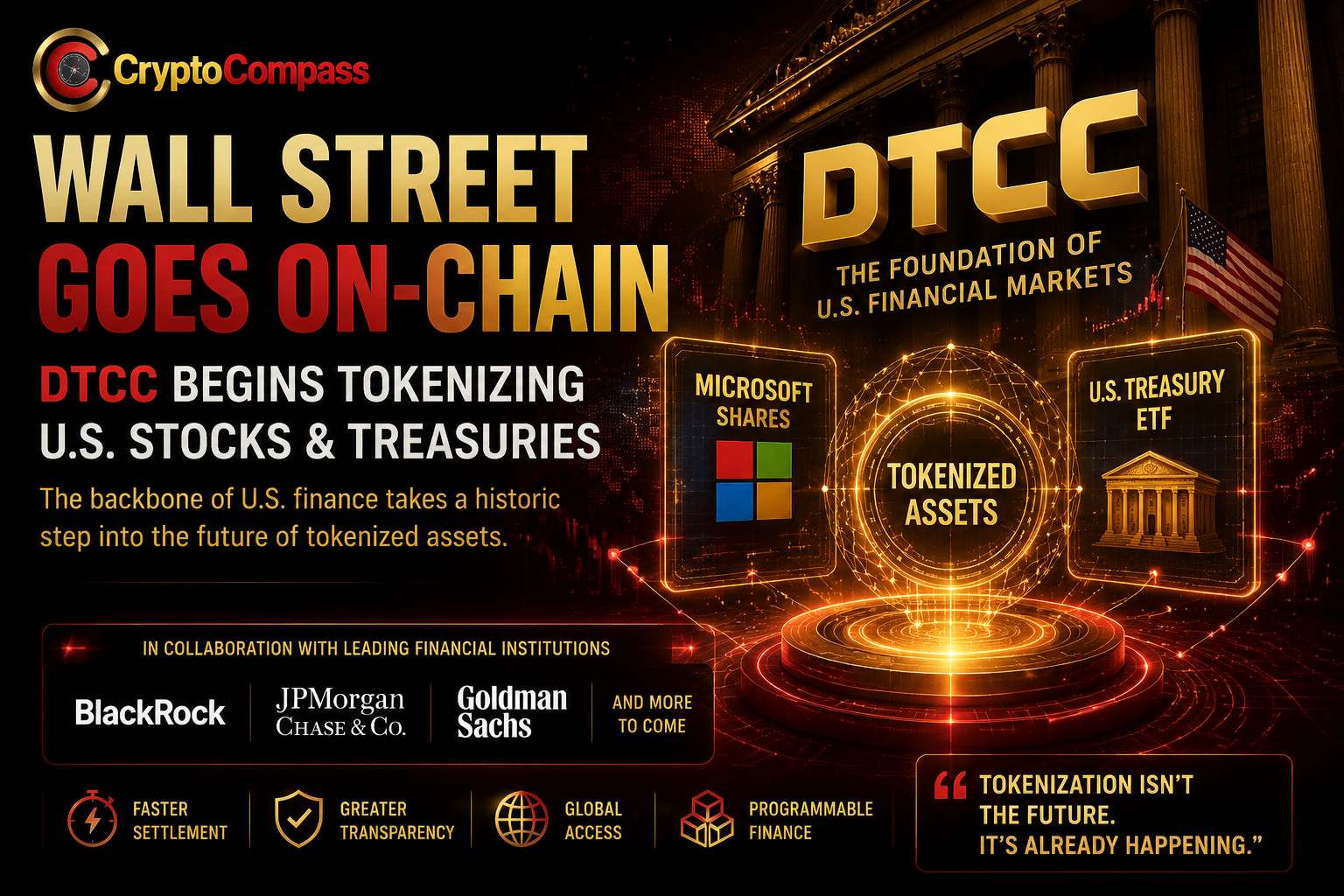
The DTCC processes securities transactions for much of the United States financial system. During May 2026, it announced Stellar as the first public blockchain connected to its tokenization platform. Production deployment began during July 2026 with broader participation expected during October 2026 before wider deployment arrives during the first half of 2027.
BE CRYPTO SMART explains that this matters because every new institutional participant creates additional demand for Stellar accounts and trust lines.
The channel argues that reserve requirements could become more important than transaction fees.
Every Stellar account must maintain a minimum balance of 1 XLM. Every additional tokenized asset held in that account requires another 0.5 XLM as a trust line reserve. Those tokens remain locked inside the account for as long as it exists.
The analyst believes that thousands of institutional accounts could gradually remove increasing amounts of XLM from active circulation if adoption continues expanding through the DTCC platform.
Read Also: $5,000 in Stellar (XLM) Today: Here’s What It Could Be Worth by Q4 2026
BE CRYPTO SMART does not present one guaranteed XLM price target. Instead, the channel explains that each scenario depends on how institutional adoption develops over the next several years.
BE CRYPTO SMART explains that exchange balances could become one of the clearest indicators to watch during Q4 2026. Falling exchange reserves would support the idea that institutions are buying XLM through public markets instead of obtaining tokens elsewhere.
Read Also: Shiba Inu DEX Volume Resumes Upward Climb: Could SHIB Price Follow Next?
Institutional adoption may strengthen the long term outlook for Stellar, but Bitcoin still controls the overall direction of the cryptocurrency market.
BE CRYPTO SMART notes that even strong network developments can struggle to lift XLM if Bitcoin enters a prolonged decline. Strong Bitcoin performance usually increases liquidity across digital assets and creates a healthier environment for altcoins.
Several factors explain why Bitcoin remains the biggest external influence on XLM:
Current consensus models place the XLM price between $0.20 and $0.30 during 2026 under normal market conditions. Several market models also point to a monthly close above roughly $0.2050 as an encouraging technical signal for further upside.
Yes, XLM can reach $1, though it requires a massive rally. As of July 2026, Stellar is trading around $0.19, meaning it would need about a 5x increase to hit that milestone.
Will XLM make me a millionaire?Yes, Stellar Lumens (XLM) has the potential to make you a millionaire, but it requires a combination of substantial upfront capital, perfect timing, and significant market growth.
Subscribe to our YouTube channel for daily crypto updates, market insights, and expert analysis.
The post Here’s Stellar (XLM) Price If BlackRock’s Tokenization Push Drives a $100B Market appeared first on CaptainAltcoin.