What to Know Cardano founder Charles Hoskinson teased Leios as ADA gained 12%, reaching $0.27 while Bitcoin and Ethereum recorded little price movement. RealFi’s mainnet launch and USDr integ
What to Know
- Cardano founder Charles Hoskinson teased Leios as ADA gained 12%, reaching $0.27 while Bitcoin and Ethereum recorded little price movement.
- RealFi’s mainnet launch and USDr integrations accompanied ADA’s golden cross, with its daily chart’s relative strength index climbing to 68.69.
- Leios targets higher throughput through the Dijkstra upgrade, while decentralized exchange volumes lag ADA’s rally and resistance stands at $0.28.
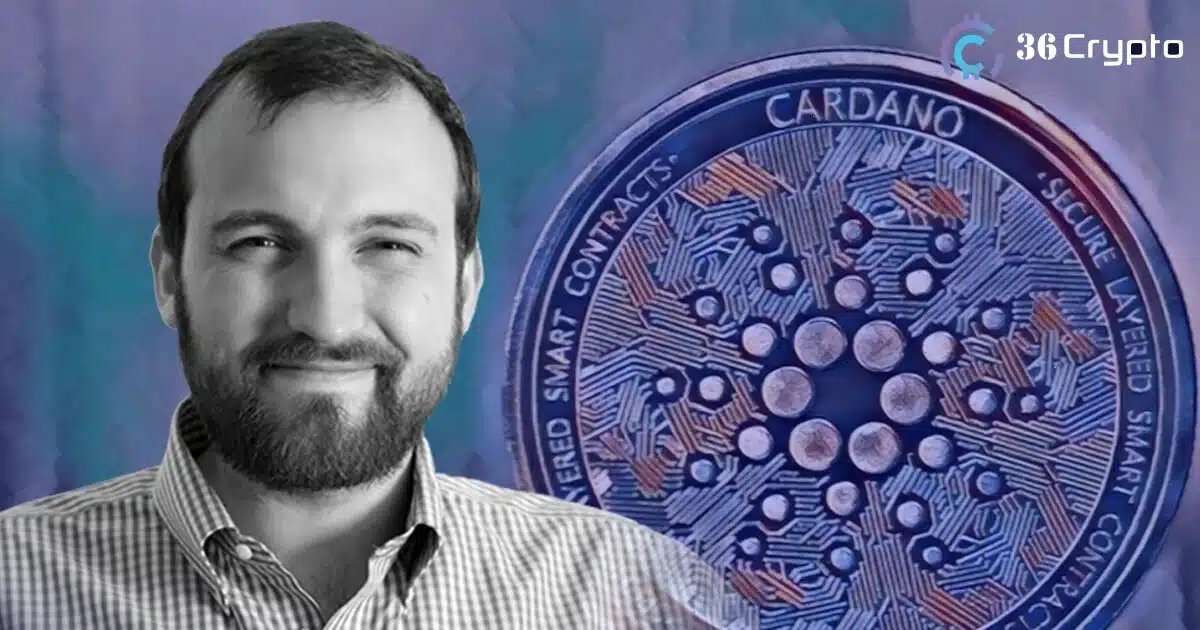
Cardano founder Charles Hoskinson teased the network’s Leios scalability upgrade as ADA gained 12% to reach $0.27. According to his post on X, Hoskinson shared an ADA price chart carrying the hashtag #LeiosIsComing.
His repost showed a 15-minute ADA/USDT chart, with the token climbing from approximately $0.244 to $0.264 during trading. ADA reached its highest level in five months, delivering its strongest rally since May while Bitcoin and Ethereum barely moved.
Interest in Cardano had also increased around RealFi’s October 1 mainnet launch, which introduced a platform targeting real-world asset tokenization. Additionally, USDr stablecoin integrations brought the asset into Lace, Liqwid, and SundaeSwap, expanding its presence across Cardano applications.
The daily chart recorded a golden cross, with ADA’s 50-day moving average moving above its 200-day moving average. Meanwhile, the daily relative strength index reached 68.69, approaching the conventional overbought threshold as the token extended its gains. Short liquidations occurred near $0.264, accompanying the advance shown in the chart Hoskinson shared with his followers.
Also Read: Bitmine Projects $363 Million in Staking Revenue as Ethereum Treasury Tops Six Million ETH
Leios Testing Advances While Deployment Timeline and Trading Volumes Remain Constraints
Linear Leios, outlined in CIP-164, aims to increase transaction throughput while preserving Ouroboros Praos for network security and block ordering. Its design introduces larger endorser blocks, which stake pools verify using BLS signatures before transactions enter the ledger in batches.
Developers have tested the technology on the Musashi Dojo network since June 2026, assessing performance under live network conditions. Reported testing demonstrated a sixfold improvement in data processing speed under stable conditions. Estimates put potential gains between tenfold and 65-fold.
Cardano targets Leios integration for late 2026 through the Dijkstra hard fork, with activation subject to on-chain governance. Stake pool operators will need to register their keys manually, while network parameter changes will increase throughput gradually.
Despite ADA’s gains, Cardano decentralized exchange volumes have not risen proportionately, leaving trading activity behind the price movement. ADA faces its nearest resistance at $0.28, while Leios remains in testing ahead of its planned mainnet integration.
Also Read: CFTC Proposes Federal Exchange Category for Leveraged Retail Crypto Trading
The post Hoskinson Teases Cardano Leios Upgrade as ADA Gains 12% to Five Month High appeared first on 36Crypto.