



Iran Military Options: US Commanders Brief Trump on High-Intensity Strike Plans Today
 PUMP
PUMP
 PRESIDENT TRUMP
 STRK
STRK
 DON
DON
 47
47
BitcoinWorld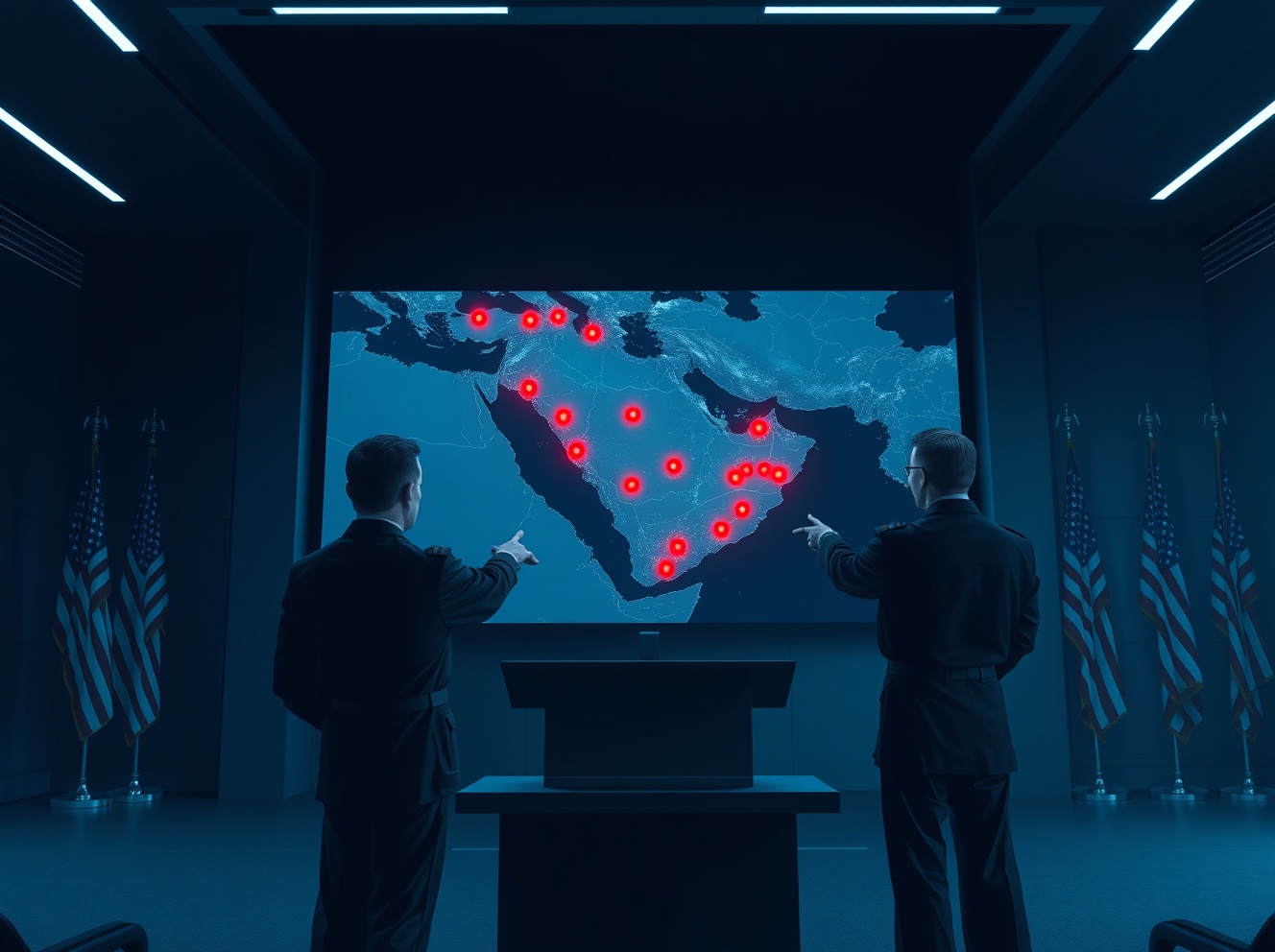
Iran Military Options: US Commanders Brief Trump on High-Intensity Strike Plans Today
U.S. military commanders are briefing President Donald Trump on Iran military options today, according to a report from Axios. This high-stakes meeting at the White House focuses on potential short-term, high-intensity strikes targeting Iranian infrastructure. The development signals a significant escalation in U.S.-Iran tensions.
US Commanders Brief Trump on Iran Military Options: The Core Plan
U.S. Central Command (CENTCOM) has prepared a detailed plan for military action. This plan reportedly includes short-term, high-intensity strikes aimed at key Iranian facilities. The targets may include nuclear sites, military bases, and critical infrastructure. The briefing aims to present President Trump with a clear set of actionable options.
This meeting follows months of heightened rhetoric. The U.S. government has repeatedly stated its commitment to preventing Iran from acquiring nuclear weapons. Iran, meanwhile, has accelerated its uranium enrichment program. This creates a volatile situation that demands immediate strategic attention.
Key elements of the reported plan include:
- Precision airstrikes on Iranian nuclear facilities
- Cyber operations targeting Iran’s military command systems
- Naval blockades in the Persian Gulf to restrict Iranian oil exports
- Special forces missions to disrupt missile launch capabilities
Each option carries significant risks. A full-scale military engagement could destabilize the entire Middle East. It could also disrupt global oil markets. The briefing is designed to weigh these risks against potential benefits.
Strategic Context: Why This Briefing Matters Now
The timing of this briefing is critical. Iran has recently increased its nuclear activities. The International Atomic Energy Agency (IAEA) reports that Iran now has enough enriched uranium for multiple nuclear weapons. This crosses a red line for many U.S. allies.
Furthermore, the U.S. has withdrawn from the 2015 Iran nuclear deal. This deal, formally known as the Joint Comprehensive Plan of Action (JCPOA), limited Iran’s nuclear program. Without it, Iran has faced fewer restrictions. The U.S. has instead pursued a policy of maximum pressure through economic sanctions.
These sanctions have crippled Iran’s economy. However, they have not changed Iran’s nuclear ambitions. This creates a policy gap that military options aim to fill. The briefing represents a pivot from economic pressure to potential kinetic action.
Regional dynamics also play a role. Iran supports proxy forces in Yemen, Syria, and Lebanon. These groups have attacked U.S. bases and allies. A direct strike on Iran could trigger a wider regional conflict. The commanders must present a plan that accounts for these ripple effects.
Expert Analysis: The Military Calculus
Military analysts point out several key factors. First, a short-term strike campaign would be different from a long-term occupation. The goal is to degrade Iran’s capabilities, not to overthrow its government. This limits the scope of military involvement.
Second, the U.S. military has significant assets in the region. These include aircraft carriers, B-52 bombers, and special operations forces. CENTCOM has been updating its plans for years. The current plan reflects lessons learned from past conflicts in Iraq and Afghanistan.
Third, Iran has formidable defensive capabilities. It operates advanced air defense systems, including Russian-made S-300s. It also has a large ballistic missile arsenal. Any U.S. strike would face significant challenges. The briefing must address these countermeasures.
A short table summarizing the key players and their stakes:
| Entity | Primary Interest | Risk Level |
|---|---|---|
| United States | Prevent nuclear Iran | High |
| Iran | Preserve nuclear program | Extreme |
| Israel | Direct security threat | Critical |
| Saudi Arabia | Regional stability | High |
| Russia | Geopolitical influence | Moderate |
Immediate Implications of the Iran Military Options Briefing
The outcome of today’s briefing could reshape U.S. foreign policy. If President Trump approves the plan, the U.S. could launch strikes within days. This would represent a major shift from diplomatic to military engagement.
Global markets are already reacting. Oil prices have risen sharply on the news. Investors fear supply disruptions from the Persian Gulf. The Strait of Hormuz, a key oil transit chokepoint, could become a flashpoint.
Diplomatic channels are also active. European allies have urged restraint. They prefer a renewed diplomatic agreement. However, the U.S. administration has grown frustrated with negotiations. The military option now appears more viable.
Domestically, the briefing carries political weight. President Trump faces re-election pressures. A decisive military action could boost his national security credentials. However, it could also draw criticism for unnecessary escalation. The commanders must present a clear cost-benefit analysis.
Historical Context: US-Iran Military Tensions
This is not the first time the U.S. has considered military action against Iran. In 2019, the U.S. came close to striking Iran after a drone attack on Saudi oil facilities. The U.S. blamed Iran for the attack. President Trump ultimately called off the strikes at the last minute.
In 2020, the U.S. killed Iranian General Qasem Soleimani in a drone strike. This was a targeted assassination, not a broad campaign. It triggered a retaliatory missile attack on U.S. bases in Iraq. No U.S. soldiers died, but the incident highlighted the risks of escalation.
The current plan is more comprehensive. It targets infrastructure, not just individuals. This makes it a more significant military operation. The briefing today will determine whether the U.S. moves forward with this broader strategy.
Potential Scenarios After the Iran Military Options Briefing
Several scenarios could unfold after today’s meeting. The most likely include:
- Approval of limited strikes: The president approves a targeted campaign against nuclear facilities. This is the most probable outcome given the reported plan.
- Rejection and renewed diplomacy: The president chooses to pursue a new diplomatic track. This would require significant concessions from Iran.
- Deferral for further planning: The president asks for more detailed options. This would delay any action by weeks or months.
- Full-scale military campaign: The president approves a broader war. This is the least likely scenario due to high risks.
Each scenario has distinct implications for global security. The world is watching the White House closely. The decision will have long-lasting effects on the Middle East and beyond.
Conclusion
The briefing on Iran military options today represents a critical juncture in U.S. foreign policy. U.S. commanders are presenting President Trump with a detailed plan for short-term, high-intensity strikes. These strikes target Iranian infrastructure and nuclear facilities. The decision carries immense strategic weight. It could either prevent Iran from obtaining a nuclear weapon or trigger a wider regional conflict. The world now awaits the president’s choice. The outcome will define the next phase of U.S.-Iran relations and reshape the geopolitical landscape of the Middle East.
FAQs
Q1: What are the Iran military options being presented to President Trump?
The options include short-term, high-intensity strikes targeting Iranian infrastructure, nuclear facilities, and military command systems. The plan is prepared by U.S. Central Command.
Q2: Why is this briefing happening now?
The briefing comes amid heightened tensions over Iran’s nuclear program. Iran has accelerated uranium enrichment, crossing red lines set by the U.S. and its allies.
Q3: What are the risks of a U.S. military strike on Iran?
Risks include a wider regional conflict, disruption of global oil supplies, retaliation by Iranian proxy forces, and potential U.S. casualties. Iran also has advanced air defenses that could challenge U.S. aircraft.
Q4: How have past U.S. administrations handled Iran?
The Obama administration pursued the JCPOA nuclear deal. The Trump administration withdrew from the deal and imposed maximum pressure sanctions. The Biden administration attempted to revive the deal but negotiations stalled.
Q5: What happens if President Trump approves the military plan?
If approved, the U.S. could launch strikes within days. This would likely trigger a strong Iranian response, including potential attacks on U.S. bases and allies in the region. Global oil prices would spike, and diplomatic efforts would likely collapse.
This post Iran Military Options: US Commanders Brief Trump on High-Intensity Strike Plans Today first appeared on BitcoinWorld.
