






Iran US Talks: Critical Decision Looms as Diplomatic Stalemate Persists
 UTED
UTED
 REV
REV
 WHEN
WHEN
 SECURITY
 REV
REV
BitcoinWorld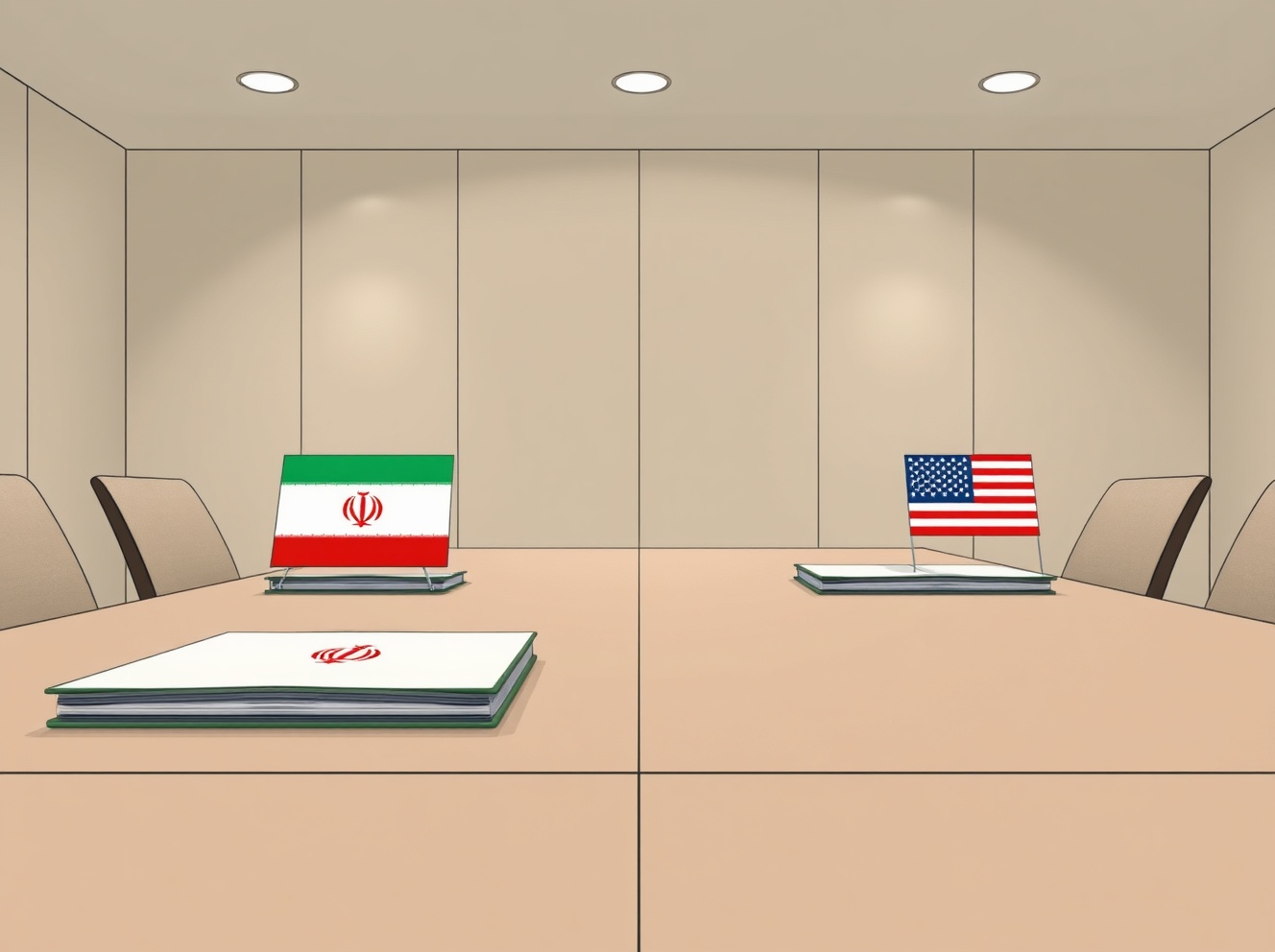
Iran US Talks: Critical Decision Looms as Diplomatic Stalemate Persists
TEHRAN, Iran – March 2025: A critical decision on the future of high-stakes diplomacy remains pending, as Iran has not yet decided whether to resume talks with the United States. This announcement, reported by the state-run broadcaster Press TV, underscores a prolonged diplomatic stalemate with significant ramifications for regional stability and global energy markets. The indecision arrives at a pivotal moment, influencing international relations and economic forecasts worldwide.
Analyzing the Iran US Talks Impasse
The current deadlock in Iran US talks represents a complex geopolitical puzzle. Consequently, analysts are scrutinizing several key factors behind Tehran’s hesitation. Firstly, internal political dynamics within Iran’s power structure often create competing priorities. Secondly, regional security developments continuously reshape the negotiation landscape. Furthermore, the status of the 2015 Joint Comprehensive Plan of Action (JCPOA), commonly known as the Iran nuclear deal, remains a central, unresolved issue.
International observers note that diplomatic channels have remained largely quiet for months. This silence follows a period of indirect discussions facilitated by European intermediaries. The United States has repeatedly stated its readiness for meaningful dialogue. However, Iranian officials consistently link any resumption of talks to the guarantee of tangible economic benefits, primarily through sanctions relief.
The Historical Context of Negotiations
Understanding the present indecision requires examining the turbulent history of Iran-US relations. The relationship has experienced dramatic shifts over decades, from the 1979 Revolution to the landmark JCPOA and its subsequent unraveling. A brief timeline highlights key moments:
- 2015: Iran, the US, and other world powers sign the JCPOA, limiting Iran’s nuclear program for sanctions relief.
- 2018: The US unilaterally withdraws from the deal under the Trump administration, reimposing harsh sanctions.
- 2021-2023: Indirect talks in Vienna aim to revive the agreement, but they ultimately stall.
- 2024-Present: Periods of intermittent, low-level communication without formal negotiation rounds.
This historical backdrop creates a deep-seated mistrust that complicates any new diplomatic initiative. Each side harbors significant grievances and preconditions that have proven difficult to reconcile.
Expert Analysis on the Economic and Security Dimensions
Economic pressure remains a primary tool and a central point of contention. The US-led sanctions regime has profoundly impacted Iran’s economy, restricting oil exports and access to the global financial system. Conversely, American and regional security concerns focus on Iran’s advancing uranium enrichment capabilities and its regional proxy networks. Experts from institutions like the International Crisis Group argue that a viable pathway requires simultaneous, verifiable steps from both nations. They suggest confidence-building measures could precede a full return to the nuclear deal. However, the political will for such compromises appears insufficient in both capitals currently.
Global Impacts of the Diplomatic Delay
The uncertainty surrounding Iran US talks sends ripples across multiple sectors globally. Firstly, oil markets remain sensitive to news from the Persian Gulf, with prices fluctuating based on perceptions of supply risk. Secondly, non-proliferation efforts suffer a setback without a functioning agreement to monitor Iran’s nuclear activities. Furthermore, regional allies of both nations adjust their defense and foreign policies in response to the prolonged stalemate.
European nations, which have sought to preserve the JCPOA framework, face continued dilemmas in balancing transatlantic ties with independent diplomacy. Meanwhile, other global powers like China and Russia engage with Iran through separate strategic and economic partnerships, altering the traditional diplomatic calculus.
The Path Forward and Potential Scenarios
Several potential scenarios could emerge from the current state of indecision. A breakthrough remains possible if a formula addressing core concerns on sanctions and nuclear limits is found. Alternatively, the status quo of “no deal, no crisis” could persist, managing but not resolving tensions. A more concerning third path involves escalation, should either side take provocative actions that close the window for diplomacy entirely.
The coming weeks will be crucial. Domestic political calendars in both countries influence the timing and flexibility of diplomatic outreach. International events, such as meetings at the United Nations or the IAEA, often provide opportunities for side discussions that can break logjams.
Conclusion
In conclusion, the fact that Iran has not yet decided whether to resume talks with the US highlights the fragile and complex nature of this decades-long confrontation. The Iran US talks impasse carries weight far beyond bilateral relations, affecting global energy security, non-proliferation norms, and regional stability. The world now watches for signals from Tehran and Washington, understanding that the next move in this diplomatic stalemate will have profound and lasting consequences. The decision, when it comes, will define the geopolitical landscape for the foreseeable future.
FAQs
Q1: What is the JCPOA?
The Joint Comprehensive Plan of Action (JCPOA) is the 2015 international agreement that placed restrictions on Iran’s nuclear program in exchange for the lifting of economic sanctions. The US withdrew in 2018.
Q2: Why are the Iran US talks so important?
These negotiations are critical for preventing nuclear proliferation, stabilizing the Middle East, and securing global energy supplies. A failure to engage risks escalation and conflict.
Q3: What are Iran’s main conditions for resuming talks?
Iran has consistently demanded verifiable and permanent sanctions relief, a guarantee that future US administrations will not abandon the deal, and recognition of its right to a peaceful nuclear program.
Q4: What are the US’s main conditions?
The United States seeks permanent and verifiable limits on Iran’s nuclear activities, addressing ballistic missile development, and curbing Iran’s support for regional proxy groups.
Q5: How does this affect global oil prices?
Uncertainty around Iran talks contributes to volatility. A successful deal could bring significant Iranian oil back to the market, lowering prices, while a collapse could raise fears of supply disruption and increase prices.
This post Iran US Talks: Critical Decision Looms as Diplomatic Stalemate Persists first appeared on BitcoinWorld.
