This article was first published on TurkishNYR. Blockchain promises like tokenized assets and decentralized apps (dApps) are already a reality in 2026, but one very major obstacle still remai
This article was first published on TurkishNYR.
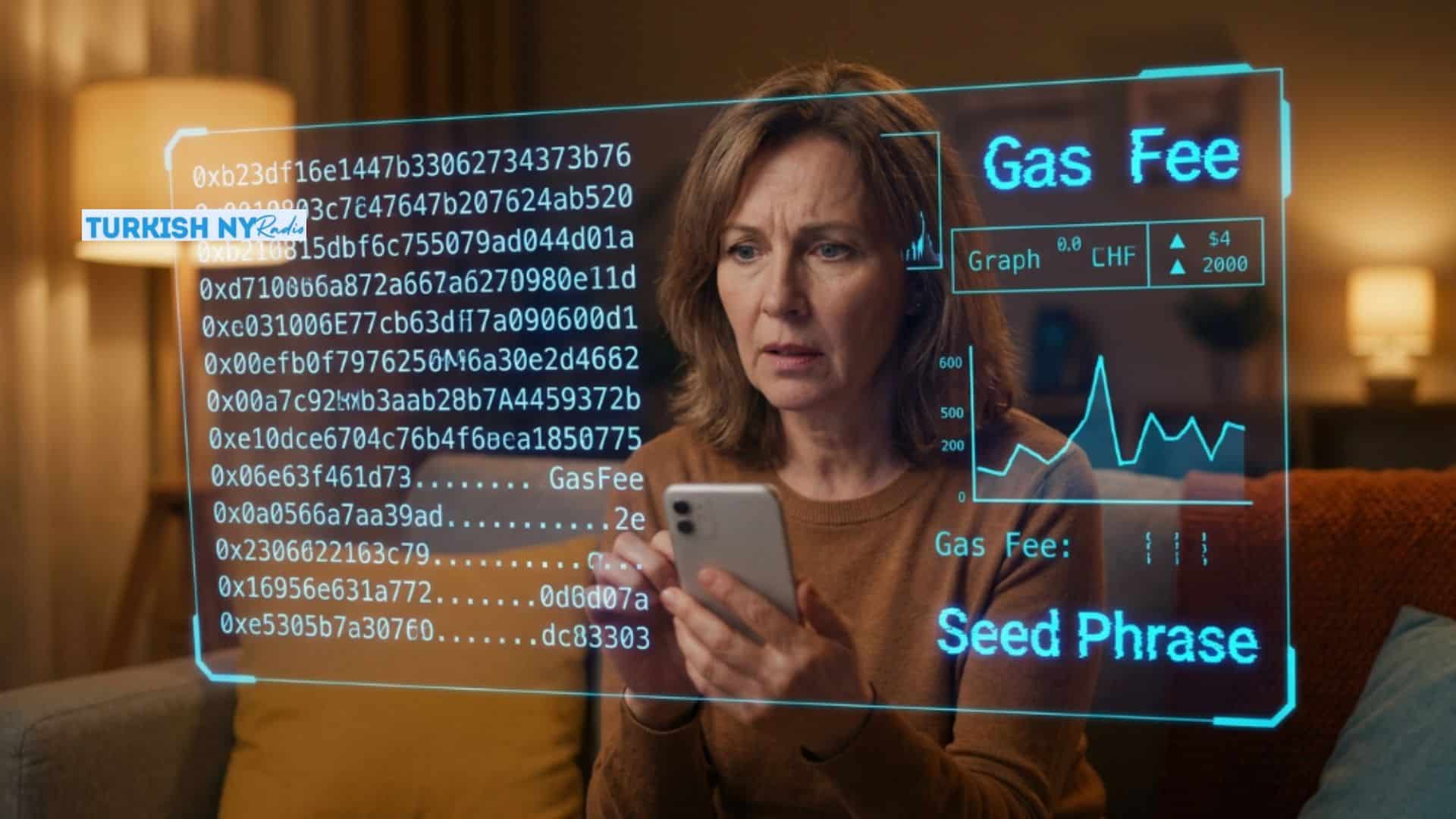
Blockchain promises like tokenized assets and decentralized apps (dApps) are already a reality in 2026, but one very major obstacle still remains and that is Web3 UX. Industry experts have warned that complex, unfamiliar interfaces are keeping everyday users away.
Interacting with crypto is still too complex for most people, adoption needs a UX as frictionless as using a Web2 app. In fact, poor user experience has been dubbed the primary reason behind sluggish Web3 adoption.
Why Web3 UX Matters Today
Even with 85+ million blockchain wallets in use worldwide, Web3 is still a niche for only tech-savvy users. The gap between Web2 and Web3 UX is quite wide. Designers compare Web2 to driving an automatic car versus Web3 as driving stick, where every click and setting falls on the user.
Web3 apps often expose every step of a process (approvals, fees, keys) that Web2 apps hide behind one or two clicks. Coinbase engineers and Ethereum developers agree that simplifying these steps is critical to reach mainstream users.
Many newcomers to crypto feel overwhelmed. Technical terms like “seed phrase,” “gas fees,” or “wallet connect” are confusing to non-experts. Mistakes in Web3 can be costly, causing irreversible transactions or lost keys, which fuels anxiety.
This cognitive load and fear cause high dropout rates. Study found new users are immediately confronted by jargon and skip the app. In short, Web3 UX demands users manage keys, select gas, and approve each action manually which are not friendly first experiences.
The impact: Data shows UX friction is a growth limiter. While web2 payments (e.g. bank app transfers) hide complexity, Web3 currently burdens users with it. Even enthusiasts face “wallet fragmentation” (many separate wallets) and manual bridge routes.
Most consumers won’t care about crypto’s benefits if using it is too confusing. Fixing these usability gaps is essential for scaling blockchain beyond early adopters.
 Simplifying Web3 UX
UX Challenges in Web3
Web3 pioneers have identified four core pain points hindering user experience:
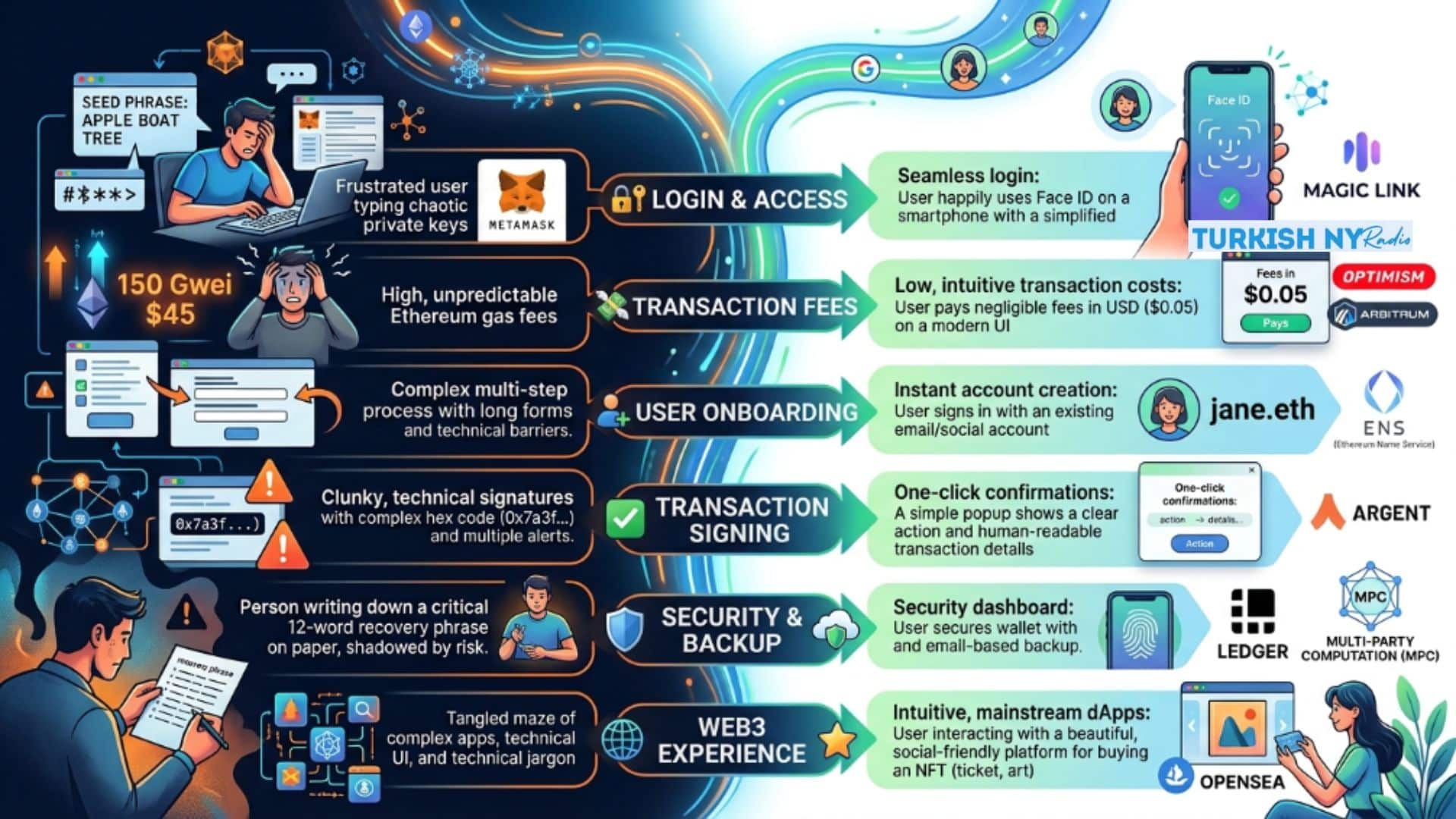
- Technical Complexity: Managing private keys, seed phrases, and understanding gas fees is different from familiar Web2 logins. New users often feel this learning curve is “overwhelming,” according to UX researchers.
- Onboarding Friction: Unlike Web2 where signup is email/password, Web3 often forces instant wallet creation. Users must download extensions or apps before doing anything. Confronting an unfamiliar wallet interface up front causes many to abandon ship.
- Security Anxiety: Every Web3 action is “irreversible” as no undo button exists. The need for personal custody (self-managed wallets) adds pressure; a single mistake like sending to wrong address or losing a key can destroy funds.
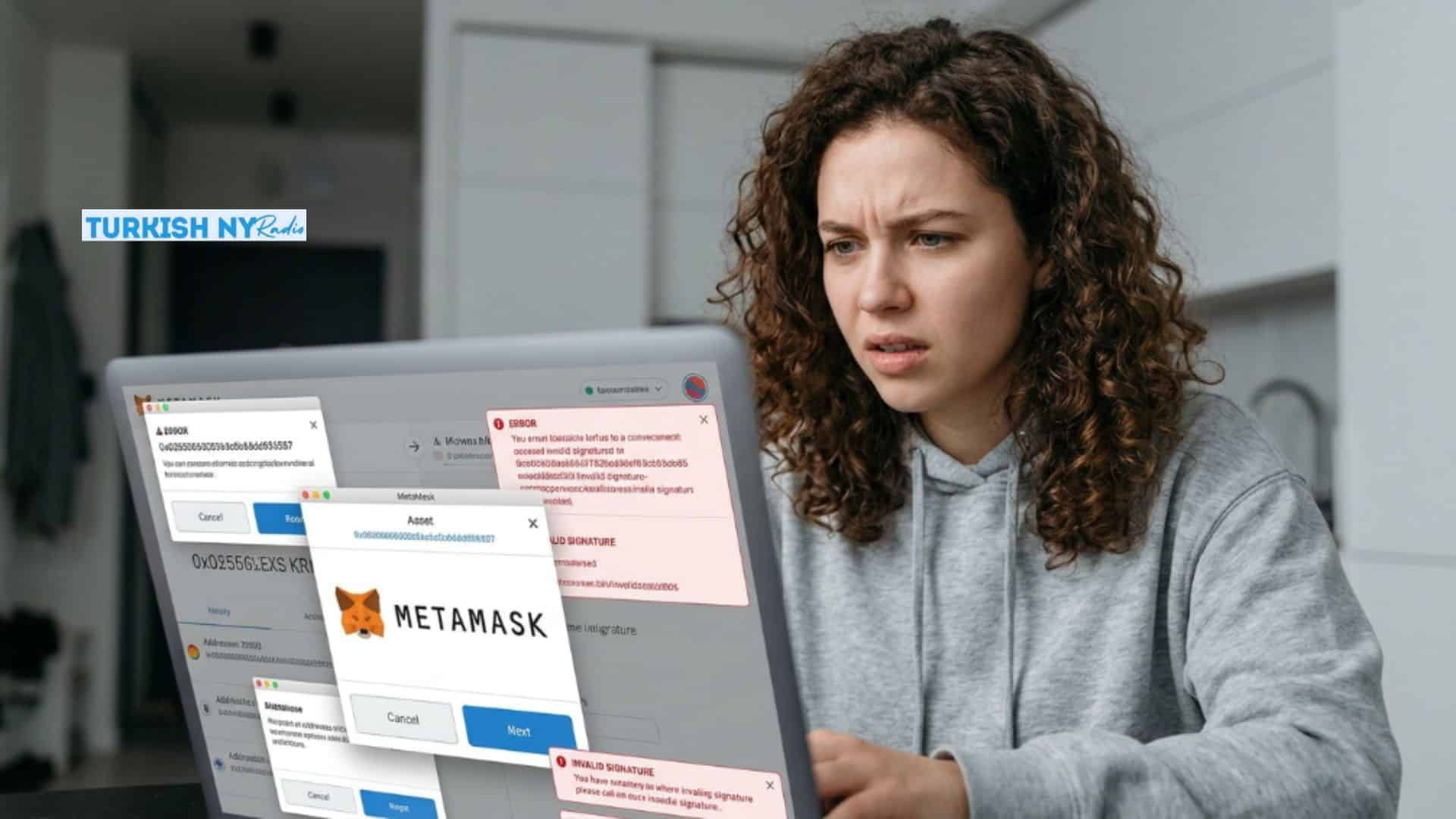
- Lack of Clarity: Often, Web3 apps struggle to explain why a user is doing something. Clear messaging and familiar metaphors are rare. Plain-language tooltips and error messages are recommended to build trust, but many apps still show cryptic data or warnings without context.
These hurdles mean that, today, Web3 UX still feels experimental. Users often see raw data (wallet addresses, gas prices) instead of abstracted interfaces. Unless stepped-up, current UX design makes blockchain “feel invisible” to users, adoption will stall.
Innovations Smoothing the User Experience
Recognizing these issues, developers and designers are rolling out new patterns to simplify Web3 UX. These include:
Account Abstraction and Smart Wallets:
Account abstraction (Ethereum’s EIP-4337) lets developers build accounts as smart contracts instead of raw key pairs. This power means wallets can have built-in recovery, multi-key controls, and even sponsor fees.
The Ethereum Foundation notes smart-contract wallets can recover your account if you lose the keys, pay someone else’s gas, and batch multiple operations into one. Wallets like Argent and Gnosis Safe already use these features: a lost primary key can be replaced by backups, or trusted contacts can restore access.
Account abstraction was deployed to mainnet in March 2023, and by 2024 it powered millions of transactions. These smart wallets literally let users enjoy Ethereum’s benefits without needing to understand the technology.
One-Click Logins and Social Sign-In:
Borrowing from Web2, some dApps now embed wallet creation into sign-up flows. New SDKs (by companies like Privy or Magic.Link) allow a user to create a non-custodial wallet using just an email or social login, bypassing the usual “connect wallet” step entirely.
Mobile apps can now onboard users with no wallet setup. A user can “sign in once” and the app handles wallet keys behind the scenes. This reduces the “learn crypto before you can use this” barrier.
Biometric Passkeys:
The next frontier is using device authentication for crypto. Modern passkey standards (FIDO/WebAuthn) allow logging in with FaceID or Windows Hello. Coinbase’s new Smart Wallet leverages this: your phone’s biometric sensor can sign a transaction on-chain.
Effectively, a user taps “Approve” after a FaceID check, and the wallet (secured by EIP-4337) converts that into a valid blockchain signature. Early adopter data shows this feels no different from any mobile banking app. Private keys remain hidden, and a lost phone doesn’t instantly mean lost crypto.
Gasless and Batched Transactions:
One major UX friction is paying gas in ETH. Account abstraction and related tools let other entities (dApps, layer-2 protocols) sponsor fees. For example, a Layer-2 network might cover users’ first few transactions to boost onboarding.
As Ethereum’s roadmap explains, apps “can pay users’ gas fees or allow payment in tokens other than ETH”, eliminating the need for new users to ever hold ETH. Combined with transaction batching (multiple ops in one click), this means complex actions (swap tokens, then stake) can happen invisibly in the background.
Intuitive Interfaces and Progressive Disclosure:
Designers are simplifying on-screen flows. Instead of showing raw contract interactions, modern dApps use simple wording and step-by-step guides. Clear UX writing and context-sensitive help to demystify terms like “approve” or “mint”.
Many wallets now show readable transaction summaries (“Swap 1 ETH for 250 DAI”) instead of cryptic blockchain data. Some even offer “novice mode” interfaces, hiding advanced settings.
Cross-Chain Abstraction:
Dealing with multiple blockchains used to mean juggling different wallets. New intent-based bridging protocols solve this. Instead of picking specific bridges or chains, a user states a goal (e.g. “move ETH to Arbitrum and swap to USDC”) and the protocol automatically routes it.
These solver-based solutions let users operate without needing to constantly switch wallets or navigate complex approvals”, reducing errors and frustration. As such tools mature, cross-chain transfers should feel as seamless as clicking “Send Money” in a banking app.
These innovations aim to make blockchain as easy as clicking a button. They bring mainstream design metaphors into crypto: social logins, one-click approvals, human-friendly error messages.
Developers must solve that “users do not have [a wallet]” and “ability to pay for initial transactions”. Embedding wallets in apps and funding first transactions are exactly how modern Web3 teams address those issues.
 Simplifying Web3 UX
Adopting Web2 Patterns in Web3
A unifying theme is borrowing what works from Web2. For example, ENS and .wallet names let users use “alice.eth” instead of long hex addresses, effectively a username for crypto.
Some wallets now let you buy crypto with credit cards or Venmo-like interfaces, so users never see a blockchain address at all. Chat apps and social networks are experimenting with wallets under the hood, so sending money feels like sending a text. In all cases, the blockchain is doing the work invisibly.
Experts emphasize that future crypto apps should “feel invisible” to users. Designers like 0xDesigner and Thomas Ling (ex-Riot Games UI designer) note that true mass adoption will come when users “won’t know it’s crypto unless they look closely.”
A great Web3 UX hides the chain, showing only familiar elements like buttons and menus. This means prioritizing clear flows, native language notifications, and human-friendly templates over exposing raw blockchain data.
Another key idea is trust through transparency. While hiding complexity, apps still must communicate risks. Good Web3 UX shows confirmations and “verify this address” prompts, but in plain English. New design tools even integrate AI to simulate user paths and highlight confusing steps before release.
In short, the best Web3 interfaces will borrow from banking apps and e-commerce sites: straightforward navigation, in-app help, and consistent layouts.
Measuring Progress and Expert Insight
How do we know Web3 UX is improving? Early metrics are encouraging. Coinbase reports that there are over 1.3 million smart-contract wallets (account abstraction wallets) created so far, with 6.5 million transactions processed via these easier flows.
Moreover, wallet SDKs with social-login have onboarded hundreds of thousands of users without requiring key downloads. MetaMask’s new “Smart Accounts” feature and Coinbase Wallet’s passkey sign-in have also seen rapid uptake among novices. While still small compared to Web2, these numbers show consumer-friendly models gaining traction.
Design analysts stress that the focus should not only be on raw adoption statistics, but also on retention. UX improvements like one-click transactions and gasless flows have been shown to cut onboarding dropout rates by simplifying the first user experience.
For example, one recent dApp reported >40% reduction in abandoned sign-ups after adding email login and covering initial gas. As UX researcher Fernanda Hahn observes, improving blockchain UX “is essential to building user trust and transitioning Web3 from a niche technology to a global standard”.
Conclusion
Web3 UX must become as familiar and frictionless as Web2 if blockchain is to reach the masses. Progress is already under way. Smart wallets (account abstraction), social login integrations, passkey authentication and one-click gasless transactions are concrete steps toward that goal.
As one expert put it, the future crypto cycle will be driven by consumer apps that feel invisible, powered by blockchain, but presenting the same seamless experience users expect. While more work remains, the innovations of 2023-2026 show a clear direction.
By hiding complexity behind familiar interfaces, the next generation of Web3 UX will let everyday users unlock blockchain’s benefits without a steep learning curve.
Glossary
Web3: The decentralized internet powered by blockchain. Users have direct ownership of data/assets without centralized intermediaries.
UX (User Experience): How easy and intuitive a technology is to use.
Account Abstraction (EIP-4337): An Ethereum improvement that allows user accounts to be smart contracts. This enables advanced features like programmable security, key recovery, and gas sponsorship.
Smart Contract Wallet: A wallet implemented as a smart contract under account abstraction.
Passkey (WebAuthn): A modern login method using device biometrics or hardware keys.
Gas Fee: A small payment in cryptocurrency required to process transactions on Ethereum or similar networks.
dApp: Decentralized Application – software that runs on a blockchain rather than a single server.
Frequently Asked Questions About Web3 UX
What is “Web3 UX”?
Web3 UX means the user interface and experience of blockchain and decentralized applications. It covers how a person interacts with crypto wallets, dApps, and blockchain features. Good Web3 UX aims to make these interactions as easy and intuitive as everyday web or mobile apps.
Why is Web3 UX currently difficult?
Many Web3 apps require users to manage private keys/seed phrases, pay gas fees, and navigate technical dialogs. These extra steps required by blockchain security create a steep learning curve. For example, users must often install a wallet, obtain cryptocurrency, and approve each on-chain action manually, which is unfamiliar to most.
How does account abstraction improve Web3 usability?
Account abstraction (EIP-4337) lets wallets be smart contracts, enabling features like key recovery, gas sponsorship, and batch transactions. This means a user’s wallet can recover itself if keys are lost, or an app can pay the gas, or group multiple steps into one click. These remove major pain points, making a dApp feel as simple as a normal app login.
Can users really log in with FaceID or email to a crypto app?
Yes. Emerging solutions embed a wallet in the app and tie it to familiar login methods. For instance, Coinbase’s Smart Wallet lets you authenticate transactions with a phone’s passkey (FaceID/TouchID) instead of a seed phrase. Other services let you sign up with an email/social login, which transparently creates a key pair for you. These methods give crypto apps a Web2 feel.
Will these UX improvements make blockchain mainstream?
Simplifying UX removes technical barriers so more people can use blockchain services. However, mainstream adoption also depends on having compelling apps and clear regulations. Even so, better UX is widely seen as necessary; blockchain can’t go mainstream if it feels harder than using a bank app.
References
Ethereum
Coinbase
CryptoSlate
Cheesecake Labs
Cointelegraph
Disclaimer: This article is for informational purposes only and does not constitute financial advice.