MetaMask has expanded its Mastercard-backed crypto debit card to 13 new Latin American countries, bringing its total LATAM footprint to 17 markets and pushing global coverage past 50 countrie
MetaMask has expanded its Mastercard-backed crypto debit card to 13 new Latin American countries, bringing its total LATAM footprint to 17 markets and pushing global coverage past 50 countries.
The June 11 announcement adds Chile, Costa Rica, Dominican Republic, El Salvador, Guatemala, Honduras, Guyana, Nicaragua, Panama, Paraguay, Peru, Suriname, and Uruguay to a regional program that was already live in Argentina, Brazil, Colombia, and Mexico.
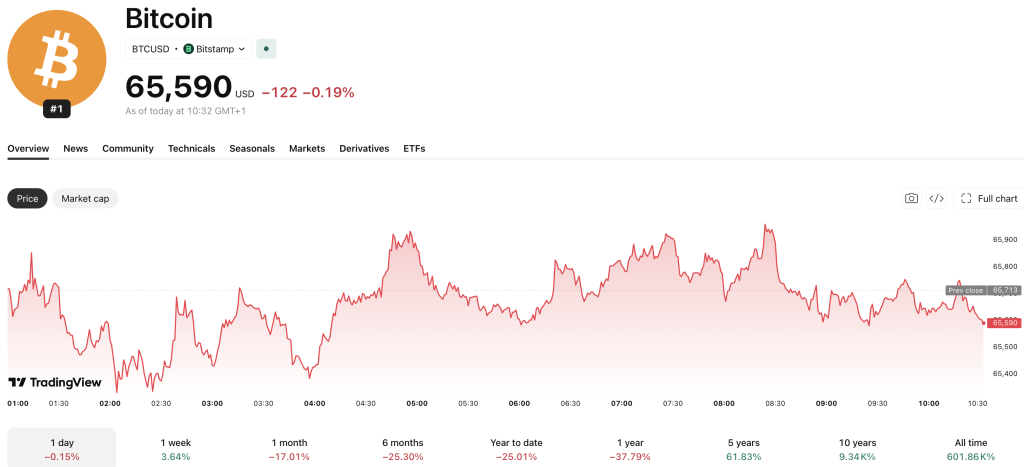
The timing is deliberate. According to Utexo data, crypto card transactions have grown 2.7-fold, with no correlation to the BTC price.
This is a signal that the sector is graduating from speculative novelty into daily-use infrastructure. LATAM, with its structural dollar demand and high adoption of stablecoins, is where that transition is moving fastest.
 SOURCE: TradingView
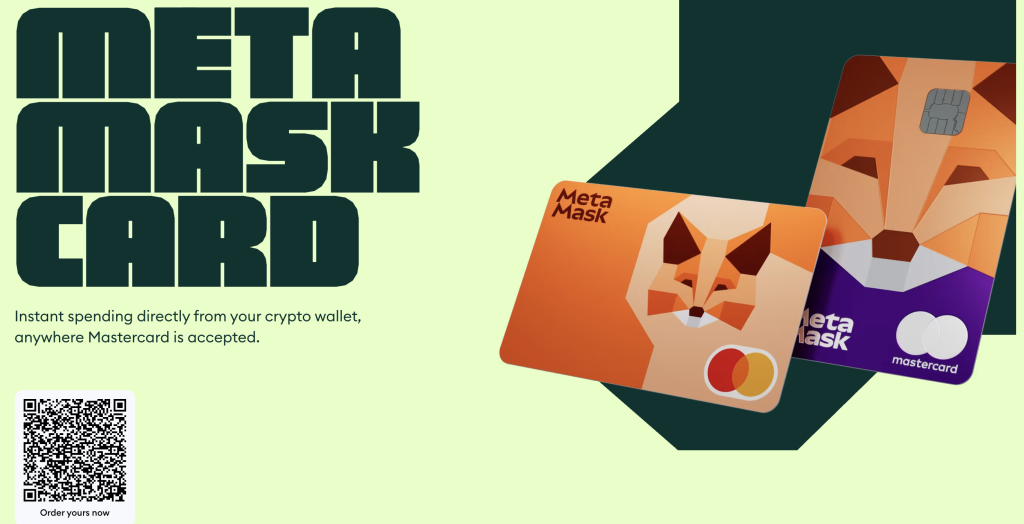
The MetaMask crypto card allows users to spend directly from their self-custody wallets, converting tokens to local fiat at Mastercard points of sale via smart contracts; no pre-loaded balance is needed.
Supported assets include USDC, USDT, WETH, and Linea tokens, with no FX markup on conversions. KYC for LATAM users is managed by Crypto Life, while Baanx handles card issuance with Mastercard.
The base tier offers 1% cashback in mUSD, MetaMask’s dollar-pegged stablecoin. The Metal tier, costing $199 annually, offers 3% cashback on the first $10K spent each month, a $30K daily limit, $5K in fee-free ATM withdrawals, and hotel discounts of up to 60%.
Alex Oblakevich from Utexo observed a shift in deposit patterns from large loads to regular top-ups, indicating broader appeal beyond power users.
 SOURCE: MetaMask
MetaMask has expanded its program to cover 17 LATAM markets, addressing major economies and smaller Central American and Caribbean regions that competitors have overlooked.
Unlike the Binance Card, which faces regulatory challenges in several LATAM jurisdictions, MetaMask’s decentralized approach is better positioned against such friction.
While Visa’s Bridge initiative is scaling globally, it relies on custodial systems that necessitate transferring assets from users’ wallets.
MetaMask’s 100 million global wallet users offer a unique advantage for card adoption in the region by leveraging existing relationships rather than starting from scratch.
Gal Eldar, Product Lead at MetaMask, emphasized the goal of integrating crypto seamlessly into daily life, especially in a region where on-chain dollar holdings serve as a currency hedge.
RELATED: MetaMask and OTL: From DeFi Wallet to Institutional Brokerage Interface
Why LATAM: Currency Volatility, Stablecoin Adoption, and Structural Dollar Demand
The case for LATAM card infrastructure is clear: ongoing inflation in Argentina, Venezuela, and parts of Central America is driving users toward dollar-denominated stablecoins for savings.
A card that allows users to spend their USDC or USDT directly at Mastercard merchants offers a significant improvement over the current method of converting assets through brokers.
Brazil’s Pix crypto ecosystem and Mexico’s remittance corridor further fuel demand, with over $145Bn in remittance flows already partially settling in stablecoins.
The MetaMask card facilitates instant spending of these balances, eliminating the need for off-ramp intermediaries. Tether’s recent wallet launch for similar use cases highlights a shared recognition of this demand by various infrastructure players.
Self-Custody Model vs. Custodial Alternatives: What the Architectural Difference Means for Regulatory Resilience and User Risk
The key difference lies in control at settlement. With custodial exchange cards like the Binance Card, assets remain on the issuer’s balance sheet until spent, which can freeze access during regulatory actions or platform issues.
In contrast, MetaMask allows users to retain their private keys, while Baanx and Mastercard handle transactions without asset custody.
This model has regulatory implications: while self-custody minimizes issuer liability, it complicates AML monitoring because wallet histories are pseudonymous until KYC is completed.
MetaMask’s partnership with Crypto Life in LATAM indicates a tailored compliance approach that adapts to local regulations rather than relying on a global KYC framework as LATAM moves towards formal digital asset licensing.
The author does not hold or have a position in any securities discussed in the article. All prices were quoted at the time of writing.
The post MetaMask Expands Crypto Card to 17 Latin American Markets: What’s Next? appeared first on Tokenist.


 (@MetaMask)